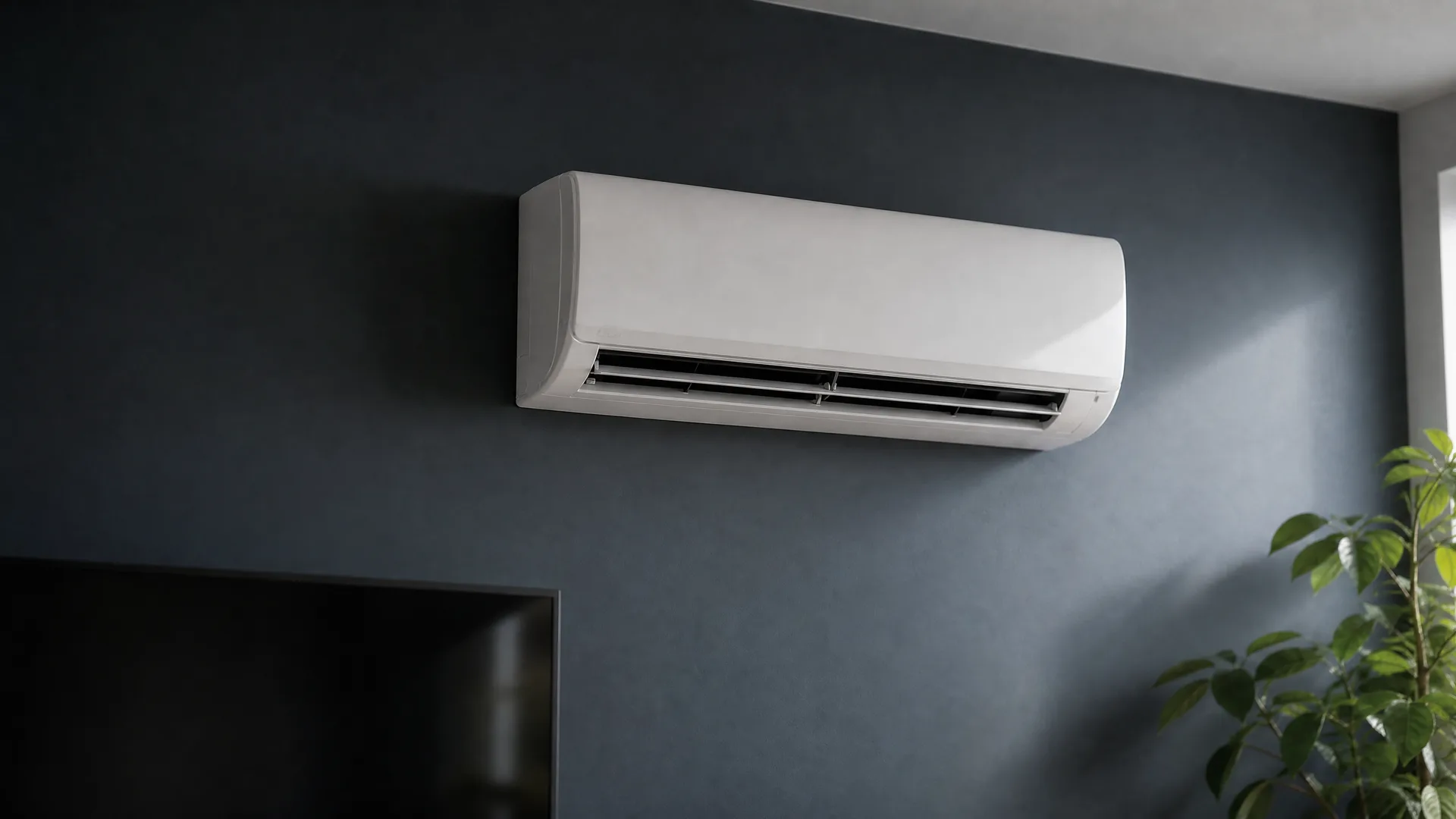
Adding a mini split to a New York home with a furnace
Once you send the form, finding a pro is off your list.
A gas furnace heats your house, but it has no way to cool it, and that's usually why a mini split enters the picture in a New York home. Maybe you want relief in a bedroom or an addition the ducts never reached well. Maybe central air was never installed and a mini split looked like the better answer for how sticky it gets here from June through September.
Either way, this isn't a job to hand to just anyone. A mini split has to be sized for the room, the line set has to be run cleanly, and the electrical has to be set up right, and whoever does it also has to understand that your house already has a furnace doing the heating, so the new system isn't working alone. Get that wrong and you've got a unit that short cycles, or runs up a power bill that's already steep in this state, or fights your furnace instead of filling the gap it leaves.
Finding someone who installs mini splits around gas heat, who'll actually come look at the space, explain what size unit it needs and where the lines can run, usually means calling a handful of contractors, waiting on quotes, and going over the same details with each one before you know who's worth hiring.
Send the form on this page instead, and that part stops being yours to do. You won't be the one tracking down names or sitting through repeat conversations about your furnace and your walls and where the outdoor unit would go. That gets picked up on your behalf, and what comes back is a contractor ready to look at the actual job, not another call to make.
A mini split and a gas furnace can run side by side in the same house without any conflict. They don't share ductwork or controls, so there's nothing to coordinate. The furnace keeps heating the house the way it always has, through its own ducts or its own zone. The mini split handles one room or one part of the house on its own, with its own thermostat on the wall or the remote. In summer, when the furnace sits idle anyway, the mini split is what's keeping that room comfortable when the muggy months hit. In winter, it can take some of the load off the furnace in that room if you run it in heat mode, or just stay off and let the furnace do that work. What this means for you: installing a mini split doesn't mean touching the furnace, rerouting ducts, or redoing anything that already works. It's an add-on system, sized and placed for the space it's meant to cover.
Power costs 26.39 cents per kilowatt-hour statewide
At that rate, every hour your mini split spends cooling a room shows up on the bill fast. It's worth sizing the unit to the room instead of oversizing it, and running it only where you need the relief.
EIA-861 2025 statewide residential average
Before you get your mini split installationAfter you get your mini split installation
A mini split doesn't touch the furnace's gas line, ductwork, or thermostat wiring, so the installer isn't tying into anything your heating already depends on.
That's why the work is its own project: a mounted indoor unit, a line set to the outside condenser, and a dedicated circuit, separate from whatever keeps the furnace running.
How the installation actually goes
The indoor head and outdoor condenser connect through a line set carrying refrigerant, not air, so no ductwork ties into your furnace.
A three inch hole through the wall is usually enough to run the line set, power cable, and condensate drain to the outdoor unit.
The outdoor condenser needs a flat pad or wall bracket clear of snow load, since it runs through winter if you use it for heat too.
Refrigerant lines get vacuumed down to pull out air and moisture before the system is charged, which is what keeps the compressor from failing early.
Electrical work usually means a dedicated circuit sized to the unit, separate from whatever circuit already feeds your furnace blower.
Once mounted, the indoor head is leveled carefully, since a tilted unit can let condensate drip into the room instead of out the drain line.
The indoor head mounts high on a wall, usually on an exterior wall so the line set has a short path outside. That line set carries refrigerant between the indoor head and the outdoor condenser, which is why none of it touches your furnace's ducts or gas line. Getting it outside means drilling through the wall, and the hole is small, just enough for the line set, a power cable, and the condensate drain that carries moisture away from the indoor unit.
Outside, the condenser needs solid, level ground to sit on, or a bracket if it's going on the wall instead. Either way it has to stay clear of snow, since a unit buried after a storm can't pull in air properly, and if you're using the mini split for heat on mild days, it needs to run through the winter without that problem.
Before any refrigerant goes in, the lines get vacuumed down. That pulls out air and moisture that would otherwise sit in the system and wear down the compressor early, so skipping it is the kind of shortcut that shows up later as a repair.
The electrical side is its own small job too. A mini split usually gets a dedicated circuit sized for it, wired separately from the circuit running your furnace's blower, so the two systems don't share a load.
Last comes leveling the indoor head. Even a slight tilt can send condensate toward the room instead of down the drain line, which is a small detail that makes a real difference over time.
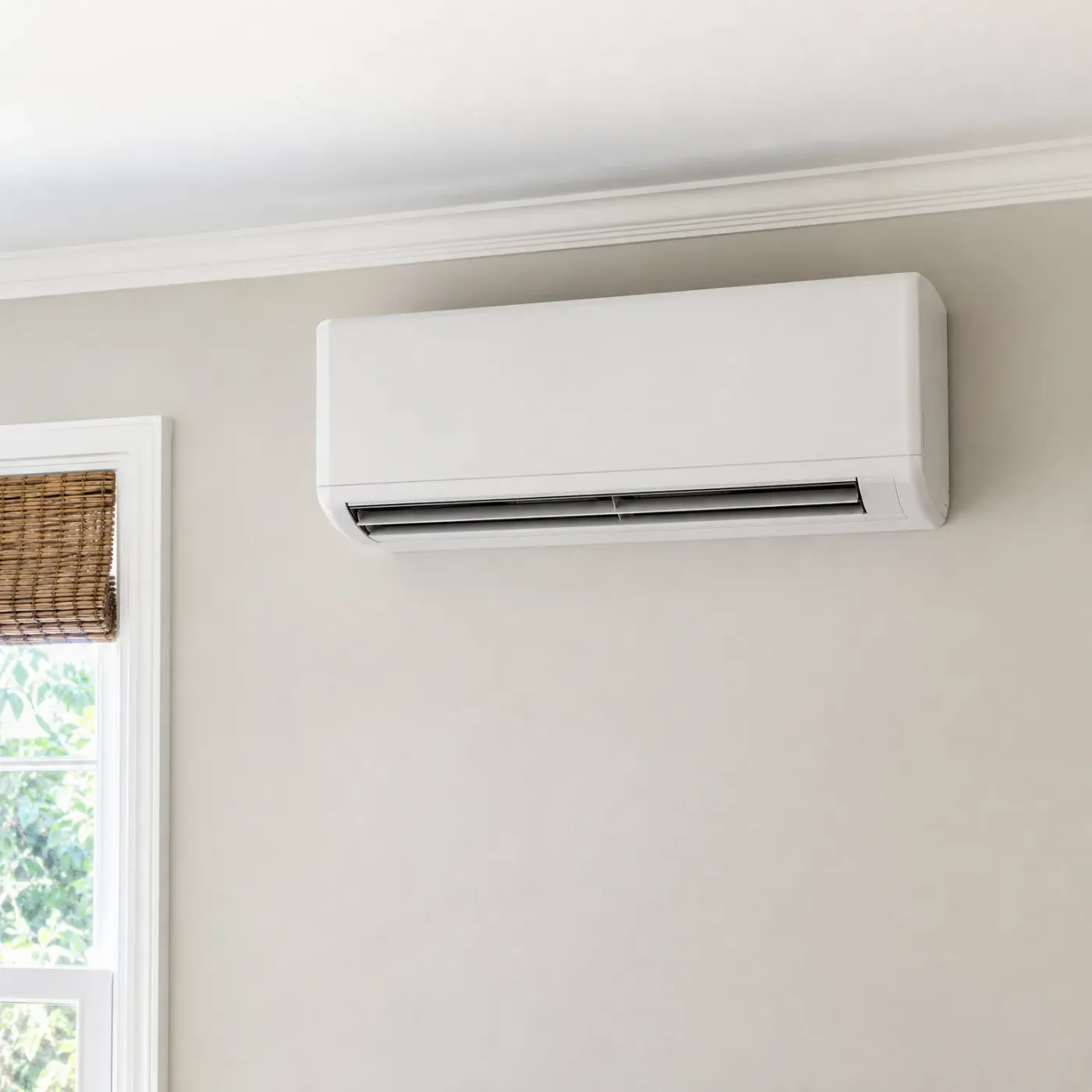
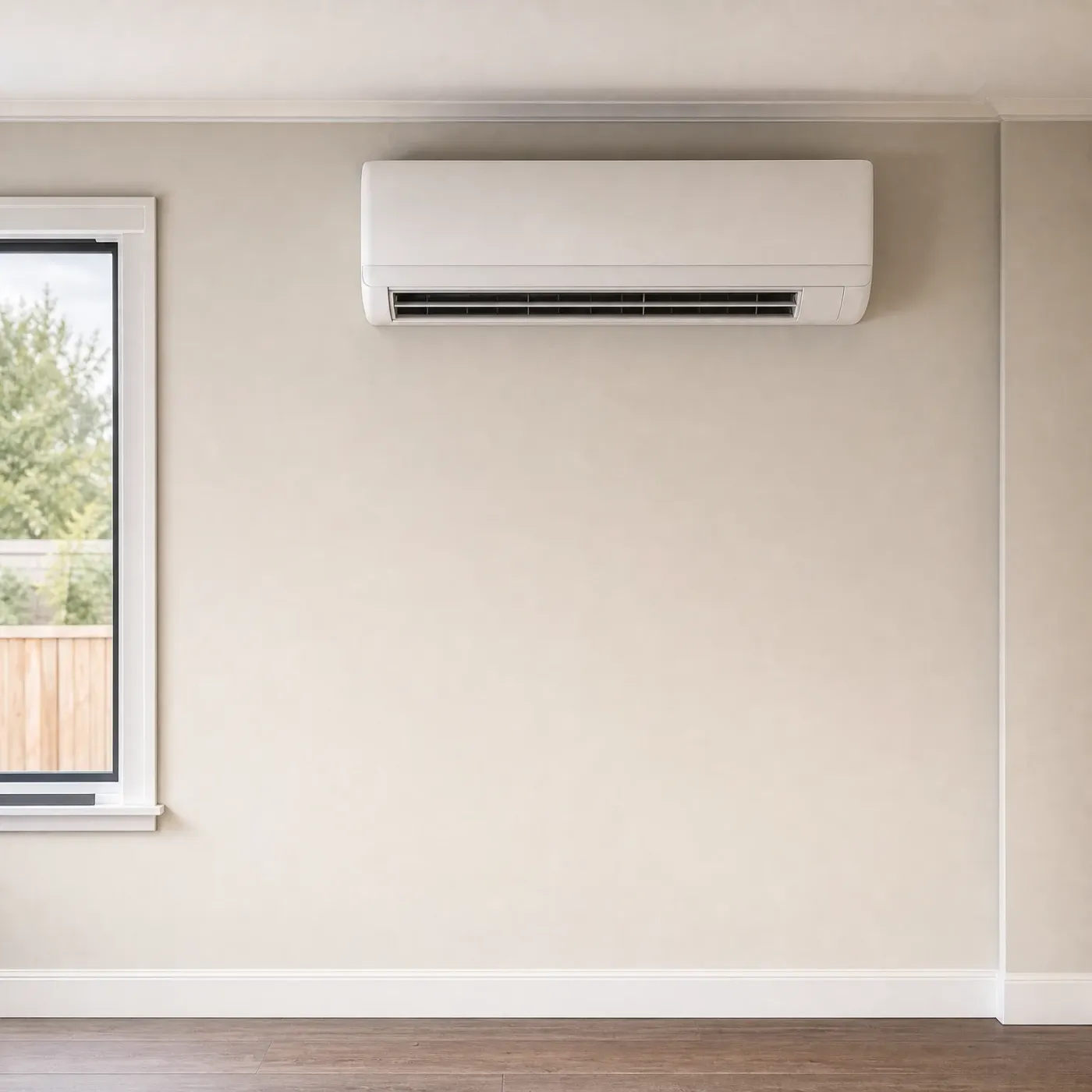
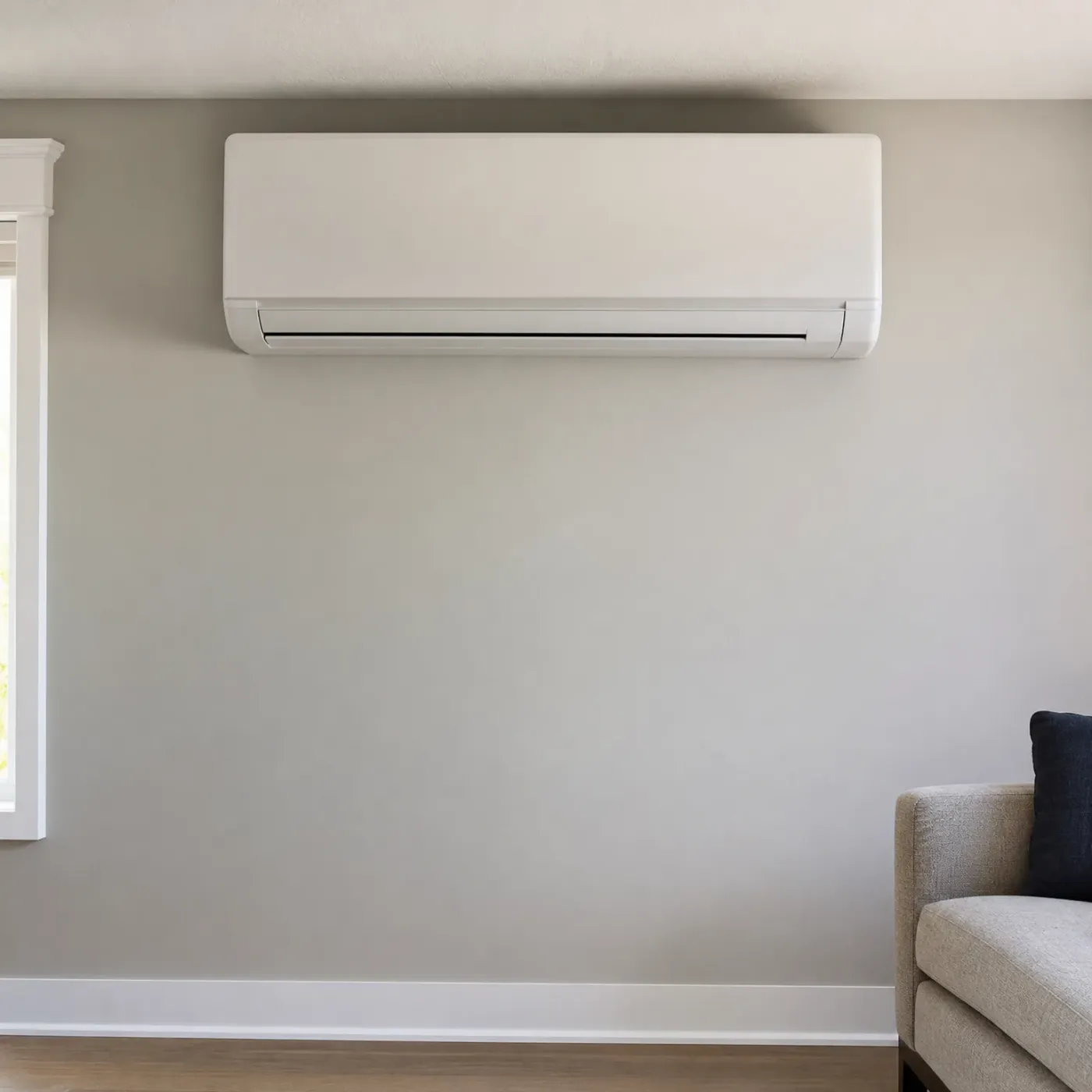
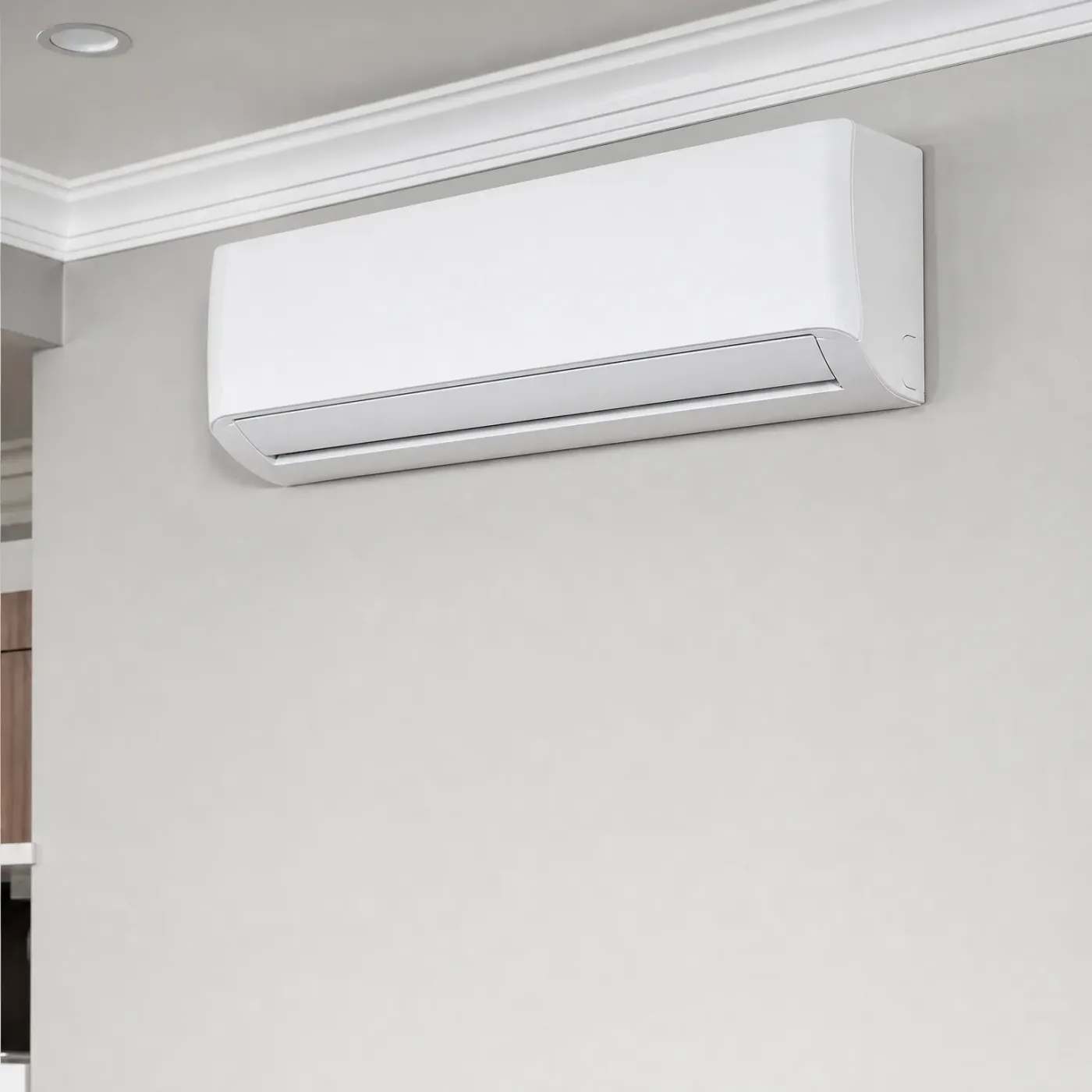
A mounted unit installed level and sized to the room keeps a steady flow of cool air into it all summer.
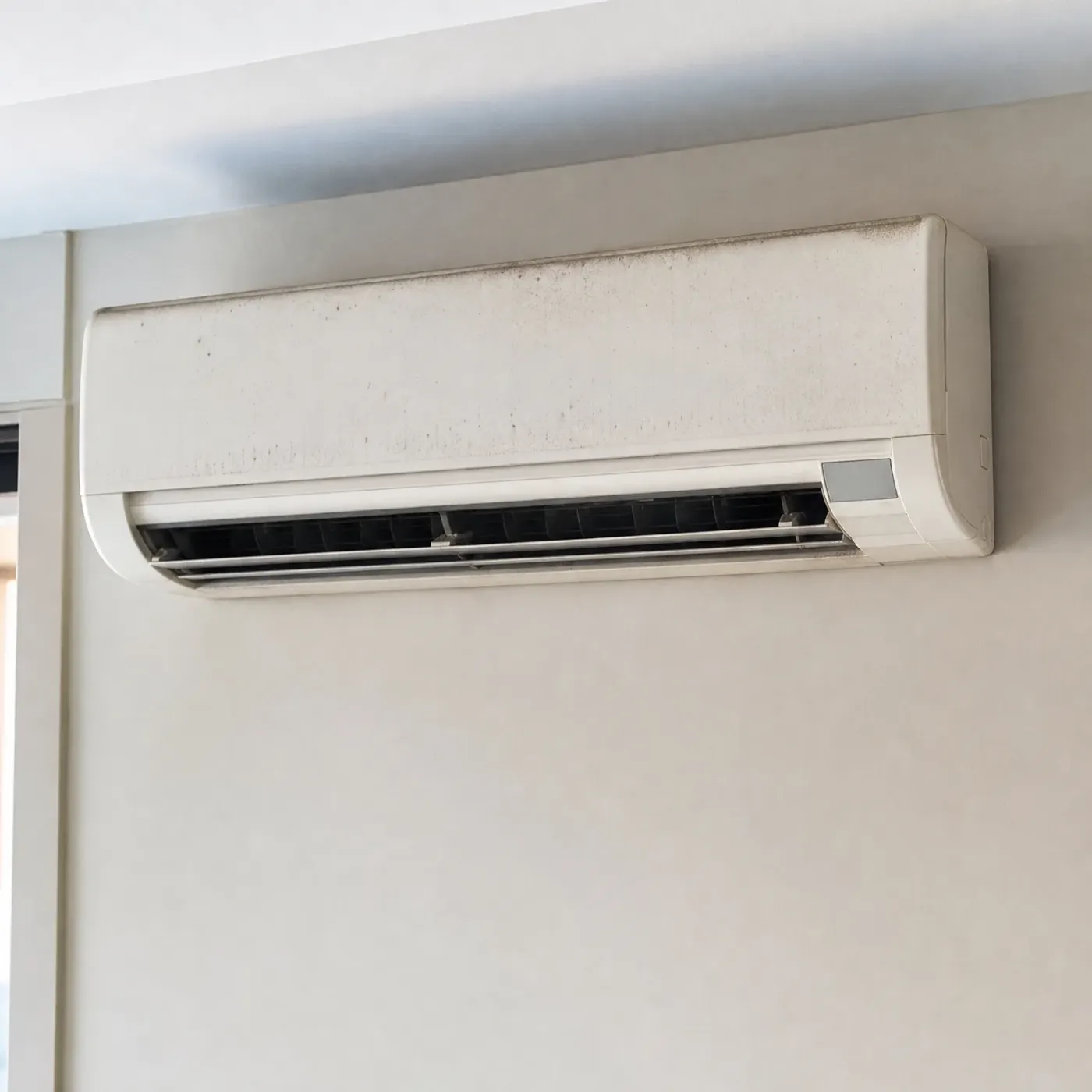
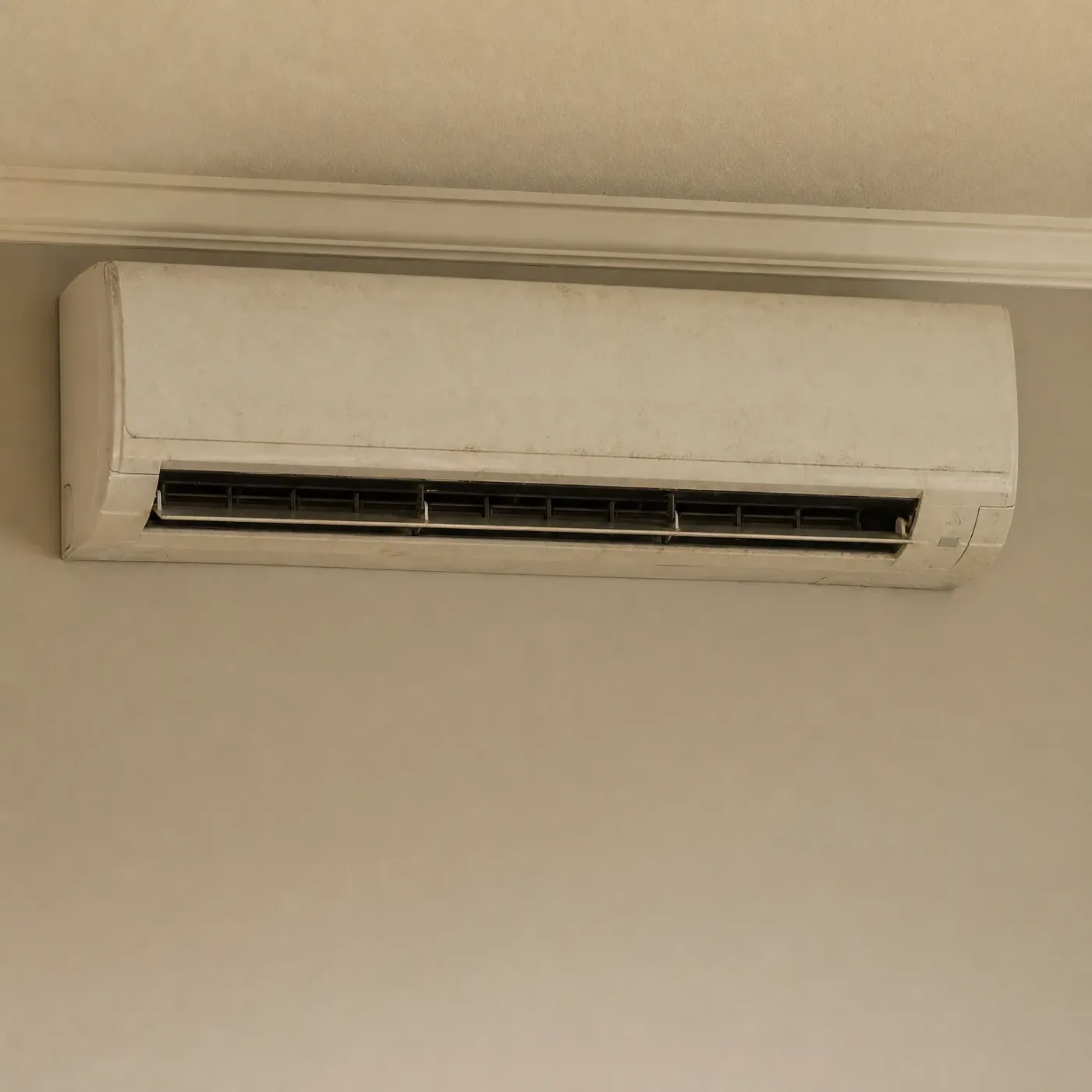
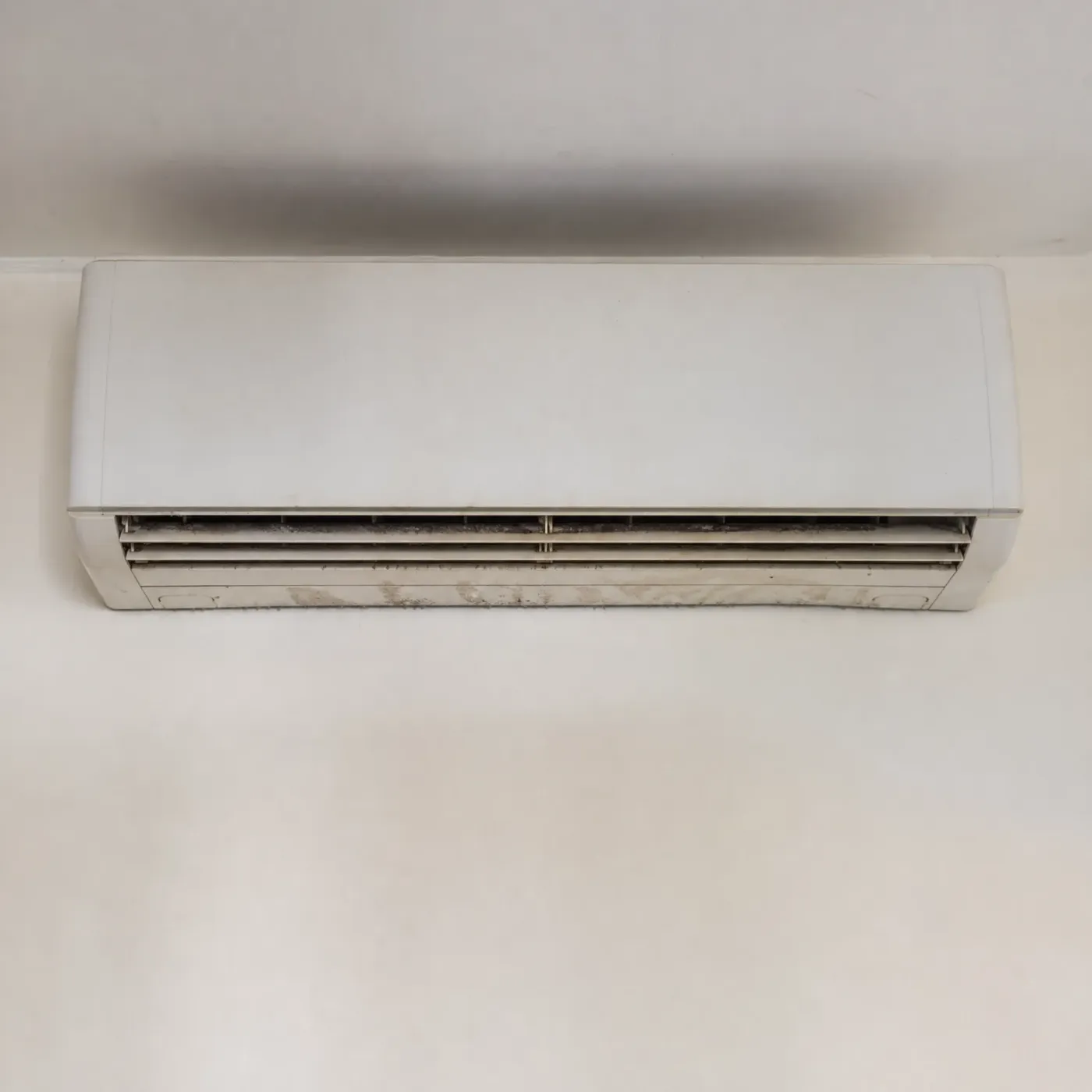
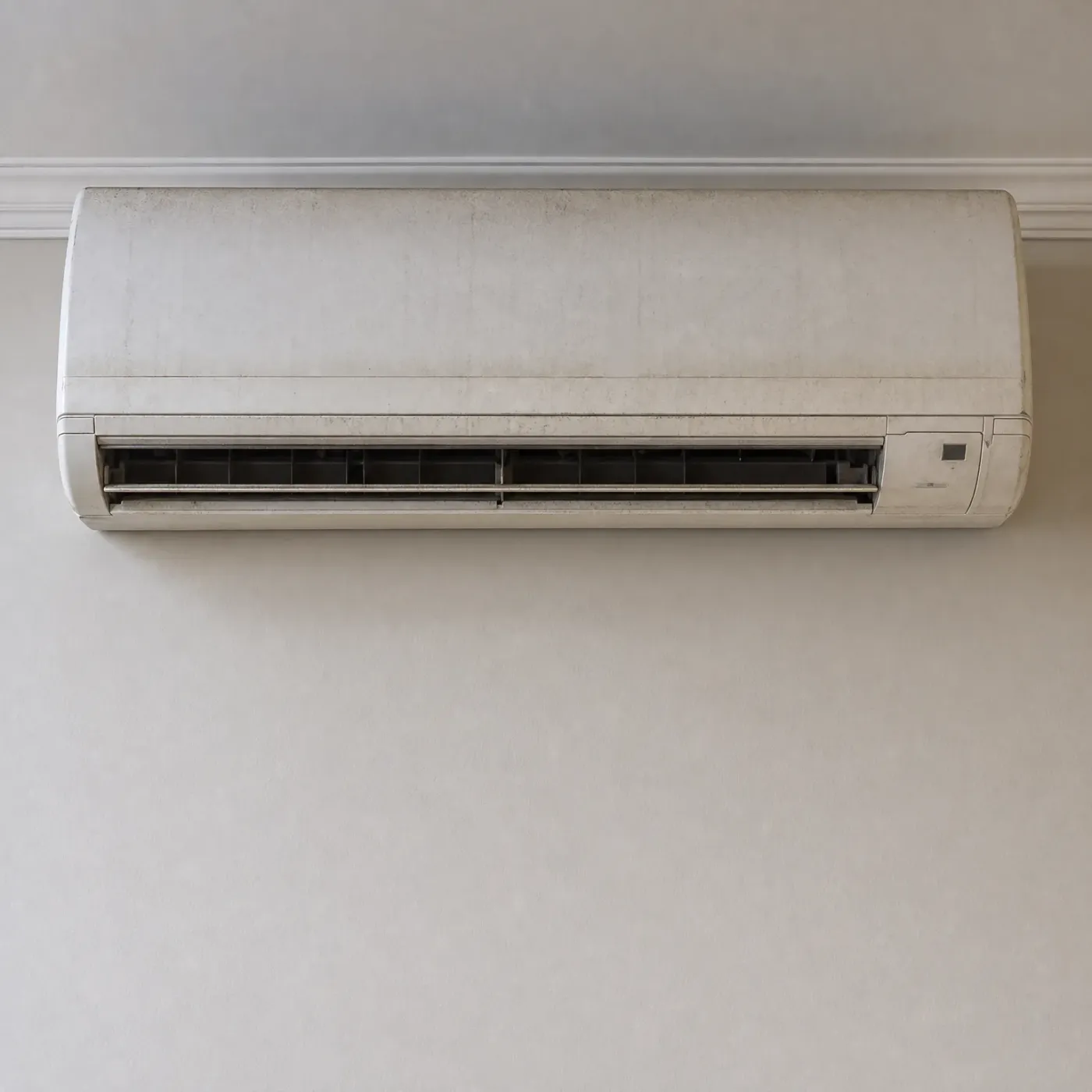
A mini split left to run ragged year after year loses its grip on the room, and the dust tells you it hasn't been serviced.
You already know the furnace isn't the problem here. It heats, it always has, and the mini split is there to handle what it can't: the room that stays hot in July, the addition with no duct run to it. What's left is finding someone who installs mini splits correctly alongside a gas system without touching the furnace's gas line or ductwork, and doing that search yourself means calling around, explaining the same thing to every contractor who picks up, then sitting with a stack of quotes trying to tell a fair price from a bad one. Send the request once and that work is off your plate. You're not chasing anyone down or repeating yourself to the next name on a list. With power costing what it does in New York, a unit sized and installed right for the room matters more than usual, and that's a judgment call worth leaving to someone who installs these for a living, not something to sort out over five phone calls.
Working as it should
Mounted high and level, the unit sends a steady stream of cool air across the room. The vents stay clear, the filter stays clean, and the room holds its temperature without the unit straining to keep up on the muggiest July afternoon.
Left without service
Dirt and mold build up along the vents and lower casing when a filter goes too long unchecked. Airflow drops, the room cools slower, and the unit has to run longer to do the same job, which shows up on the bill before anything else does.
How does the installer run the line set from the mini split to outside?
You're picturing how the indoor head actually connects to the outdoor condenser, since nothing is running through your furnace's ducts. It's a fair thing to want to know before someone shows up and starts drilling into your wall.
The installer drills one hole and routes the line set through it
The installer picks a spot on the wall behind the indoor unit, usually close to a corner or near the floor, and drills a hole a few inches wide straight through to the outside. The refrigerant lines, the power cable, and the condensate drain all pass through that same hole together, wrapped and sealed so no air or water gets in around them. Outside, those lines run down the wall, often inside a plastic cover, to the condenser sitting on a pad or bracket. It's one penetration, in one place you both agree on beforehand, not a series of holes or anything routed through the attic or basement where your furnace ducts run.
Mounted right and sized right
The unit sits high and level, vents open, casing clean. Set it to the room instead of the whole floor and it holds that room's temperature through the worst of July without running constantly to do it.
Left to run year after year
The casing yellows and the dust builds up on the vents you can see. A unit that never gets serviced loses its grip on the room, and you end up paying more to get less cooling out of it.
Is the room still hot even with the furnace off for the summer?
The furnace sits quiet all summer, and that room still doesn't cool down on its own. Maybe it's upstairs, maybe it's the addition, maybe it's just the one room that stays a few degrees hotter than the rest of the house no matter what you do with fans or shades. If you already have a mini split in there, check what it's actually doing: does it reach the far corners, or only the wall it's mounted on. A unit that's too small for the room runs constantly without ever catching up, and one that's not keeping the air moving leaves you opening windows at night just to get some relief. Either way, the room is telling you something about whether it was ever matched to its size.
The National Weather Service puts the summer dew point across New York at an average of 62°F for June, July and August. That's the number that decides how heavy the air feels, not the temperature on the thermostat. At that dew point, your mini split isn't just cooling, it's pulling a steady load of moisture out of the room all day. A unit sized to the room handles that without trouble. One sized too small will drop the temperature some but leave the room feeling damp, because it's cycling off before it's wrung the humidity out of the air.
NASA POWER T2MDEW county cells weighted by homes
A mini split handles what the furnace can't
Your furnace heats the house. It always has. The mini split takes on the room the ducts never reached, or the addition that stays hot through July and August, and it does that without touching the furnace's gas line or ductwork. Two systems, each doing its own job, with nothing to coordinate between them.
What's left is finding someone to put it in right, mounted level, sized to the room, wired to its own circuit. That usually means calling around, explaining the same room and the same problem to each one, then sitting with a stack of quotes trying to tell them apart. Send the form instead and that part is off your plate. You'll still need the work done. You just won't be the one tracking down who does it.