Below 5°F, efficiency drops
Most mini splits lose capacity in a hard freeze. If your area sees deep cold, the furnace may still need to carry the coldest nights.
Matched to your mini split job
A mini split can cut your heating bill, but it depends on how it's sized and set up against the gas furnace you're probably running now. With power costs what they are in New York, a mismatched install can cost you more, not less. Answer a few questions and get matched with a contractor who can look at your home and sort out what you'd actually save.
Get matchedA mini split can lower your heating bill, but whether it actually does depends on what it's replacing and how cold it gets where you live. A mini split moves heat instead of burning fuel to make it, so it can produce more heat than the electricity it uses, which is what makes it cheaper to run than electric baseboard or an old resistance system. Against a gas furnace, the comparison is closer. Gas is usually priced lower per unit of heat than electricity, so a mini split only beats it on cost if it's sized right and the furnace it's replacing was aging or oversized. Once outdoor temperatures drop into the teens or below, most mini splits lose efficiency and lean harder on backup heat, which erodes the savings. The honest answer: it helps most homes, but how much depends on your setup, not on the mini split alone.
Most mini splits lose capacity in a hard freeze. If your area sees deep cold, the furnace may still need to carry the coldest nights.
A mini split warms the room it's mounted in well. Rooms down the hall or on another floor stay on whatever heated them before.
Your gas furnace still kicks on past dark and before dawn, even if the mini split is carrying the living room most of the day. On a stretch below 5°F, you may hear it running more than you expected, because the mini split is pulling back and the furnace is covering what it can't. The bedrooms at the far end of the house stay a few degrees cooler than the room with the unit, since that heat doesn't travel far down a hallway.
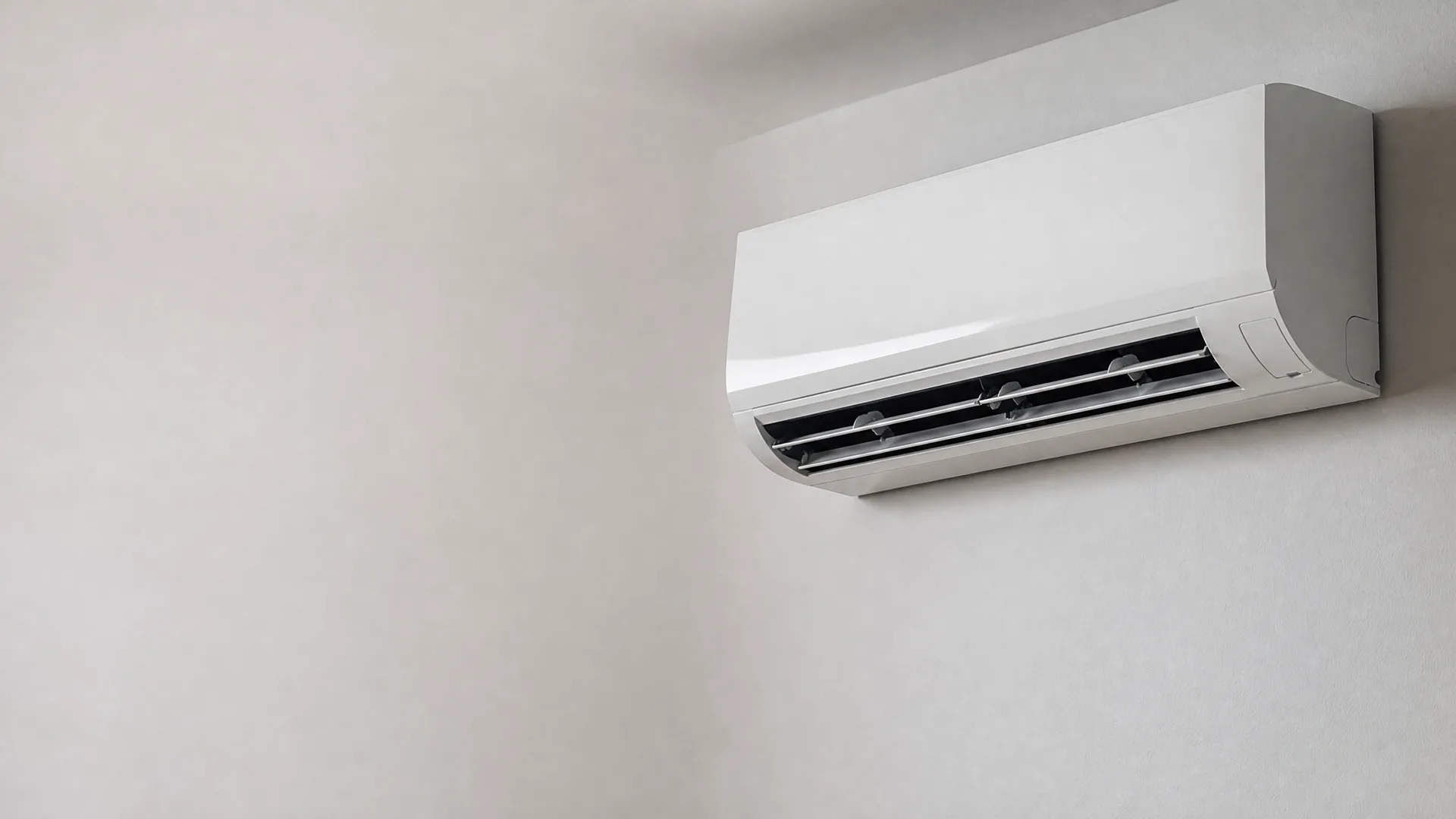
If the mini split is sized for the room instead of the house, you end up paying for two heating systems instead of saving on one. An oversized unit cycles on and off instead of running steady, which wastes the electricity it's supposed to save you. An undersized one runs flat out on cold nights and still leaves you cold, so the furnace ends up doing the work anyway while you've already paid for the installation.
You'd notice it on the electric bill first, higher than you expected for the months the mini split ran hardest. If it's set to carry rooms the furnace used to handle on cold nights, you might hear the furnace less but see the electric portion climb enough to offset the gas you saved. You'd also notice which rooms stay warm and which don't. A hallway or a bedroom down the hall from the unit may run cooler than the room it's mounted in, so you end up running a space heater or nudging the thermostat up to compensate. If it was sized for the room rather than the whole house, that gap shows up fast once it gets cold.




A mini split works best when it's sized for the room it's in and set up to work with your furnace, not against it. Get that wrong and you're running electric heat, the most expensive kind here, on nights your gas furnace would have handled cheaper. Get it right and the mini split takes the mild months off the furnace while leaving the hard cold to gas, which is where your savings actually come from. The difference between those two outcomes is the install, not the equipment. Sizing, placement, and how the system is told to hand off to the furnace all matter, and they're easy to get wrong without someone who's done this before in a house like yours. You already know what your winters do to a heating bill. Whether a mini split helps or hurts yours comes down to decisions made before it's ever turned on, and that's worth getting right the first time.
Summer here runs muggy, with dew points averaging 62°F across June, July and August, according to NOAA climate data. That's the humidity your mini split's compressor has to wring out of the air, on top of cooling it. On a sticky afternoon it'll run longer than a thermostat reading alone would suggest, and pull more power doing it. None of that touches your heating bill directly, but it's the same unit carrying both jobs. A system sized only for winter heat load can come up short on these muggy days, running long and still leaving the house feeling damp.
NASA POWER T2MDEW county cells weighted by homes
You keep hearing that a mini split "moves heat instead of making it," but that's not how a furnace works, and it's not obvious how a box on your wall can pull warmth out of air that feels freezing outside. You want to know what's actually happening before you trust it to carry part of your winter heating load in New York.
The outdoor unit has a compressor and a refrigerant line, not a flame. Refrigerant flows outside, absorbs whatever heat is in the outside air, even cold air, and carries it through the line to the indoor unit, where it gives up that heat and a fan pushes it into the room. A furnace burns gas to create heat from nothing. A mini split just relocates heat that's already there, which is why it can put out more heat energy than the electricity it uses to run the compressor. The colder the air outside, the less heat there is to grab, which is why output drops on the hardest nights and why pairing it with your furnace matters more in New York than somewhere milder.



Picture the unit mounted in a spot that seemed fine on install day but runs long every time the wind picks up, because nobody checked which wall faces the cold side of your house. That's the difference between a mini split that quietly covers the mild months and one that fights your furnace all winter without you knowing why the electric bill moved. The sizing, the placement, the way it's set to hand off to your furnace on the coldest nights, all of that gets decided once, at install, and you live with it for years.
You don't have to figure out whether the contractor who shows up knows how to size a mini split against a gas furnace in your climate. Answer a few questions about your house and your heating setup, and you get matched with a contractor who works on homes like yours. They'll reach out to you directly. From there it's a conversation about your rooms, your furnace, and what you actually need the mini split to do, not a guess you made alone staring at a wall.

At that rate, every kilowatt your mini split pulls on the coldest nights costs more than the same heat from your gas furnace. That's why letting it run unsupervised past dark, instead of handing off to the furnace, is what turns a good install into a higher bill.
EIA-861 2025 statewide residential average
A mini split lowers your heating bill in New York when it's handling the mild stretches your gas furnace burns fuel inefficiently on, and handing off before the cold gets deep enough to make electricity the expensive choice. That split only happens with a correct install. The size of the unit, where it's mounted, and how it's set to work alongside the furnace already in your house all decide which side of that line you land on. Get it wrong and you're paying for electric heat on nights your furnace would have covered for less. Get it right and the furnace only picks up what the mini split can't carry efficiently anymore.
None of that depends on the brand or the model. It depends on whether the person installing it looked at your house, your furnace, and the rooms you're trying to heat before deciding where the unit goes and how it's programmed to hand off. That's a judgment call, made on site, not a spec sheet.
Sending the form is the last thing you have to do yourself. After that, matching you with a contractor who installs these correctly for a New York winter isn't your job anymore. They'll reach out to you. You won't be chasing anyone down or sorting through names on your own. The work of finding the right person for your house happens on the other end, and what comes back to you is someone ready to look at your setup and tell you where the unit belongs.
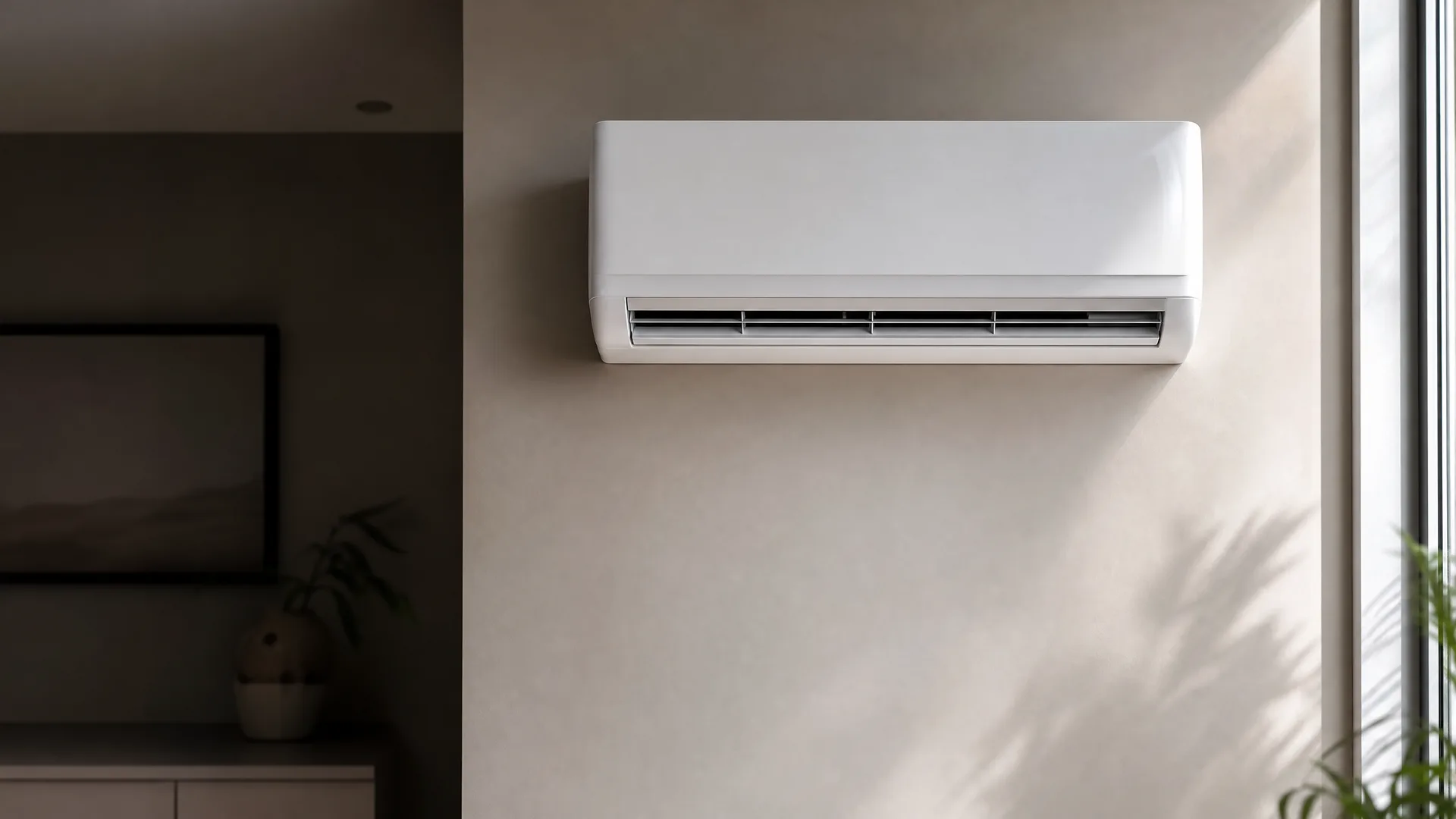
Get the right pro for your mini split