Done looking for a mini split pro
How cold is too cold for a mini split in New York
Most mini splits lose efficiency somewhere below freezing, and some stop heating altogether once it gets cold enough for long enough, which matters on the hardest January nights here. This page gets into what temperature does to the unit you have and when it's worth backup heat. If you'd rather hand the question to someone who works on these every winter, send the form and let them sort it out.
Hand off my installationMost mini splits start losing real heating power somewhere around 5 to 15 degrees Fahrenheit, and a standard unit without cold climate specs can struggle to keep up well before that. The cold is thin outside air. A heat pump moves heat from outside into your home, and below a certain point there just is not enough heat in that air to pull, so the compressor runs longer and the output drops even as it keeps running. Some units also go into a defrost cycle more often as frost builds on the outdoor coil, which pauses heating for a few minutes at a time. In New York, a January night can sit well under 15 degrees for hours, which is exactly when a standard mini split falls short and a cold climate model, built to keep producing heat down near zero or below, is the difference between a warm house and a backup system doing the work instead.

The outdoor unit pulls heat out of cold air
A refrigerant line carries that heat indoors
The compressor squeezes the refrigerant to raise its temperature
The indoor head blows warm air into the room




A cold climate mini split uses a different compressor, one built to keep compressing refrigerant efficiently even when the outdoor air is well below freezing.
That's why some of these units still put out real heat down to negative 5 or colder, on the nights a standard system would already be falling behind.
Picture the coldest night this winter. If that room's mini split is a standard model, it may not hold the temperature you set, and whoever is in there will feel it before you do. The compressor keeps working to make up the difference, and that effort lands on a power bill that's already steep here. Most homes in New York still run on gas, so the mini split is often one room's comfort, not the whole house's heat. That's fine as long as it can do its part on the worst night, not just the mild ones. A coil that ices over on a non cold climate unit can cut its heat well before anything else goes wrong with it. None of this gets fixed after the fact. It gets decided when the unit goes in, by whether the model on the wall is built for nights like that one or just for the easy ones.
What a cold snap means for your house
- On the nights your gas furnace would normally carry the load, a standard mini split without cold climate specs may fall behind and leave the thermostat short of its setting.
- A unit that struggles below freezing runs its compressor harder to try to keep up, which shows up on a power bill already among the highest in the country.
- If the mini split is the only heat in a room, the people in that room feel the drop before you see it on any gauge.
- Most houses here still lean on gas heat, so a mini split that can't hold its output on the coldest night is usually backup, not the whole plan for that room.
- A frozen or iced outdoor coil on a non cold climate unit can cut heat output well before the compressor itself gives out.
- Choosing a cold climate model at installation is the point where this gets decided, not something to fix once the unit is already on the wall.
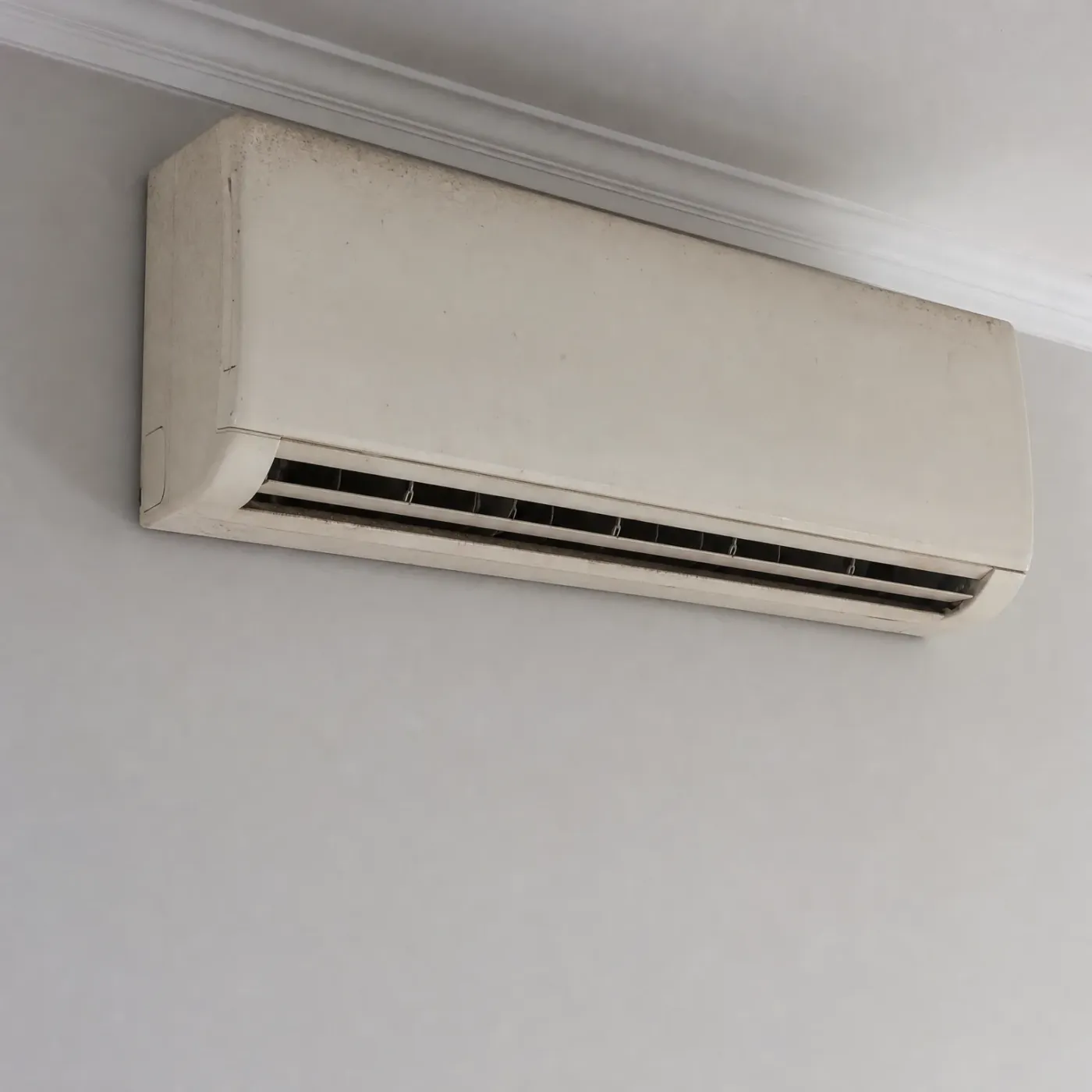


New York summers run heavy. Averaged across June, July and August, the dew point here sits at 62°F, according to NOAA, which is the range where air starts to feel thick rather than just warm. For your mini split, that means the indoor head is pulling moisture out of the air as much as it's cooling it, and on the muggiest days it may run longer just to get the room to feel right, even once the temperature itself is satisfied. If the house still feels damp after the thermostat hits its number, that's the humidity, not a sign the unit is sized wrong. When it comes to cold weather performance, a local installer who works on these systems through both the sticky summers and the hard January nights here will know which units hold up on both ends, and sizing you for one contractor means one set of hands on the job, not a string of calls to sort through.
NASA POWER T2MDEW county cells weighted by homes
It's off your list after this
Most homes in New York heat with gas, so the mini split usually isn't carrying the whole house through January alone, but it still has to hold its own on the nights that matter, and whether it can depends on what's inside the unit, not just its size. A standard mini split and a cold climate one can look the same on the wall and perform completely differently once the temperature drops. That's a decision worth getting right before it's installed, not after. Power here costs more than in most of the country, so a unit that labors through the cold and leans on backup heat shows up on the bill. A local contractor who installs these year-round knows which models actually hold their rated output in this climate and which ones are sold on paper specs that don't survive a real New York winter. Getting that match right at installation is worth more than fixing it after a January you spent cold.
Where That Leaves You
- A standard mini split without cold climate specs can fall short on the coldest nights, usually somewhere between 5 and 15 degrees.
- A cold climate model with the right compressor can keep heating well below that, some down to negative 5 or lower.
- Most homes here lean on gas furnace heat anyway, so the mini split's job on a hard January night is narrower than people assume.
- Whether your unit holds up comes down to what's built into it, not how big it is or how it's set.
- A local installer who works on these units all winter knows which models hold their heat here and which ones fall behind.
- One licensed contractor takes on the job directly, so you're not fielding calls from several companies at once.
So the real question isn't how cold is too cold in general. It's whether the unit in your house, or the one you're about to buy, has a compressor built to keep working once the air outside drops into single digits or lower. A standard model will likely give out somewhere between 5 and 15 degrees. A cold climate model, built with that in mind, can keep pulling heat out of air far colder than that. Since most houses here run on gas furnace heat anyway, your mini split usually isn't the only thing standing between the house and the cold. It just needs to hold its own on the nights the furnace is working hardest too.
That's the kind of thing worth getting right at installation rather than finding out the hard way in February. A contractor who installs and services these units in New York winters every year has seen which models keep heating on the coldest nights and which ones start falling behind well before that. That's not something you can tell from a spec sheet alone. When you put in a request here, it goes to one licensed local contractor, not a handful of companies competing for your callback. Someone who already knows this climate and these units looks at your situation directly, which means a more straightforward answer than sorting through multiple quotes on your own.

Mini Split Installation
Stop chasing a mini split pro

- A local installer who puts in mini splits gets your project.
- Get in touch with a local installer about a new mini split.

- Send the form and the search for an installer is over.
- Send the request and finding a pro stops being your problem.

- Skip the round of in-home estimates for a new mini split.
- Describe the project once instead of to every installer.

- One installer gets your project, so there's no bidding war over it.
- The pro who reaches out is licensed in New York.