Is a mini split cheaper than baseboard heat in New York
A local installer who puts in mini splits gets your project.
A mini split and baseboard heat don't run on the same math. Baseboard heat is electric resistance. Every unit of power going into it turns into a unit of heat and nothing more. A mini split moves heat instead of making it, so it can put out several units of heat for every unit of power it uses. In New York, where electricity costs more than almost anywhere else in the country, that difference shows up fast on a bill.
Most homes here heat with gas, so the baseboard comparison usually isn't gas versus electric. It's electric resistance versus an electric heat pump. On power alone, the mini split almost always wins.
Where it gets less simple is the rest of the year. Summers here get sticky, and a mini split is also doing your cooling. Baseboard heat never had that job. So part of what you're paying for with a mini split is one system covering both seasons instead of two separate ones.
What you actually pay depends on things specific to your house and your unit. How many zones you're running, how your mini split is sized, what your baseboard setup looked like before, whether your home leans on both systems or mostly one. Those details change the answer enough that a general number isn't going to tell you much about your own situation.
A contractor who knows New York installs and services can look at what you have, what you're running, and what it's costing you, and tell you where you actually stand. Once you send the details in, that part stops being something you have to work out on your own. Someone who knows the equipment and the rates here takes it from there and reaches out to you directly.
Is a mini split cheaper to run than baseboard heat in New York?
You've got a mini split now, but part of the house (or a past life in the house) still runs on baseboard heat, and the bills from that baseboard make you wonder if the mini split is actually saving anything or just adding another system to pay for. With power costing what it does in New York, you want to know which one is actually cheaper to run before you decide where to rely on which.
Yes, a mini split costs less to run than baseboard heat
A mini split puts out more heat per dollar of electricity than baseboard heat does, because it moves heat from outside air instead of generating it from scratch. Baseboard heat turns every dollar of power into exactly a dollar's worth of heat. A mini split can turn that same dollar into two or three times as much. In New York, where electricity costs more than in most of the country, that difference shows up directly on the bill. The gap narrows on the coldest nights, when outdoor air has less heat to pull from and the mini split has to work harder. But across a full winter, a room heated by mini split costs less to keep warm than the same room heated by baseboard.
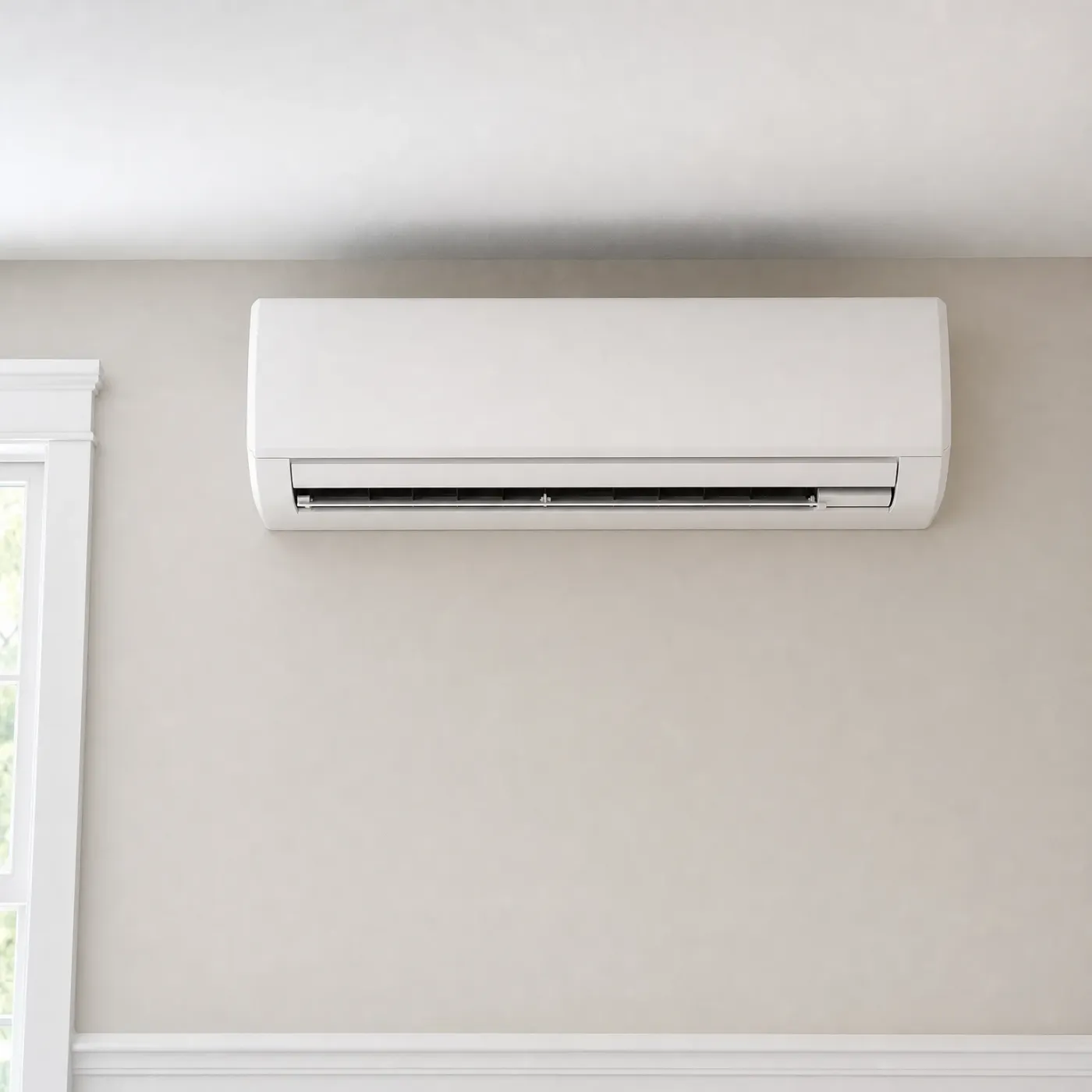
Mini Split, Running Clean
A clean mini split pulls the heat ratio it was built for. The coil can shed cold outside air into warm air inside at a fraction of baseboard's cost, because it's moving heat rather than generating it from scratch. That gap is where the savings against baseboard actually live.
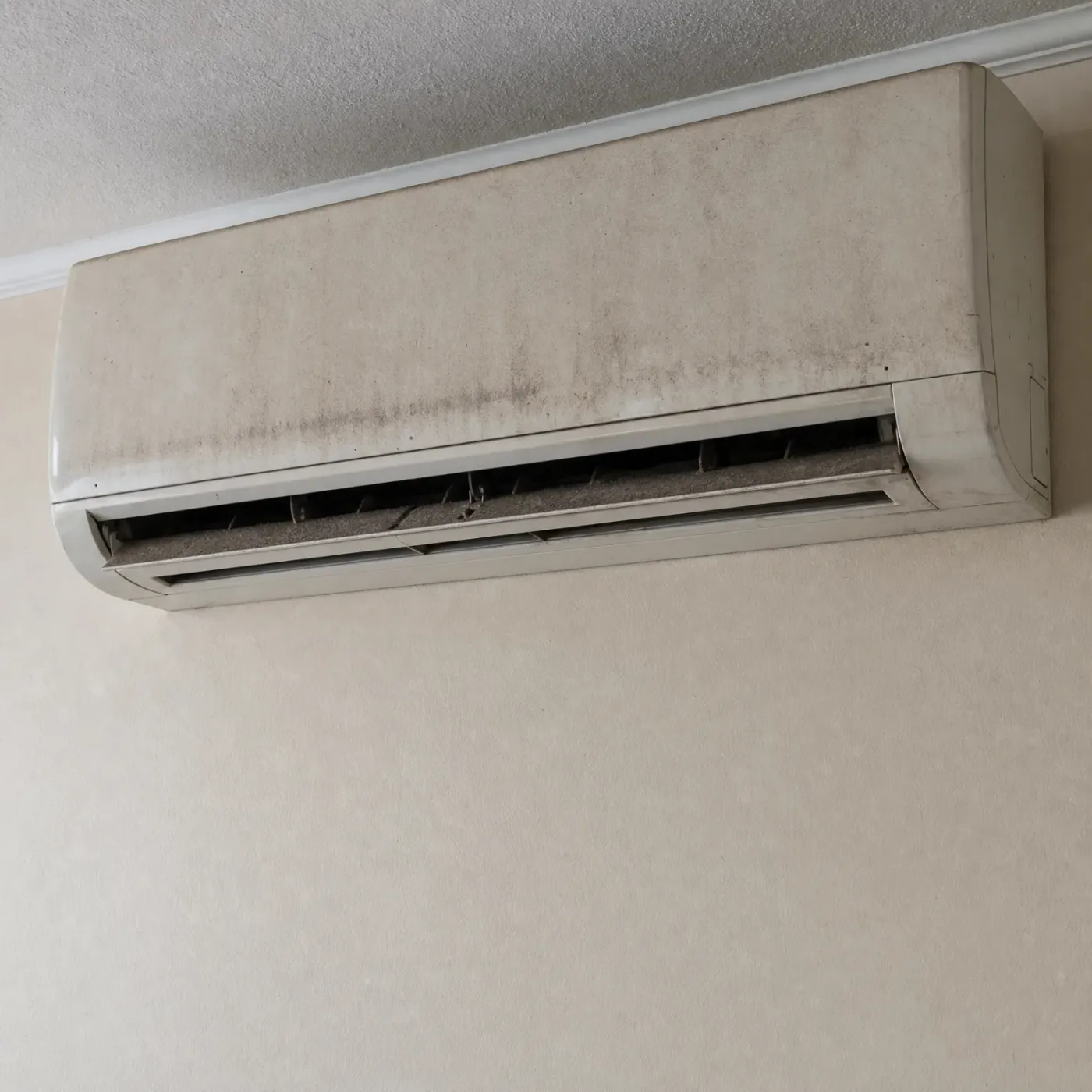
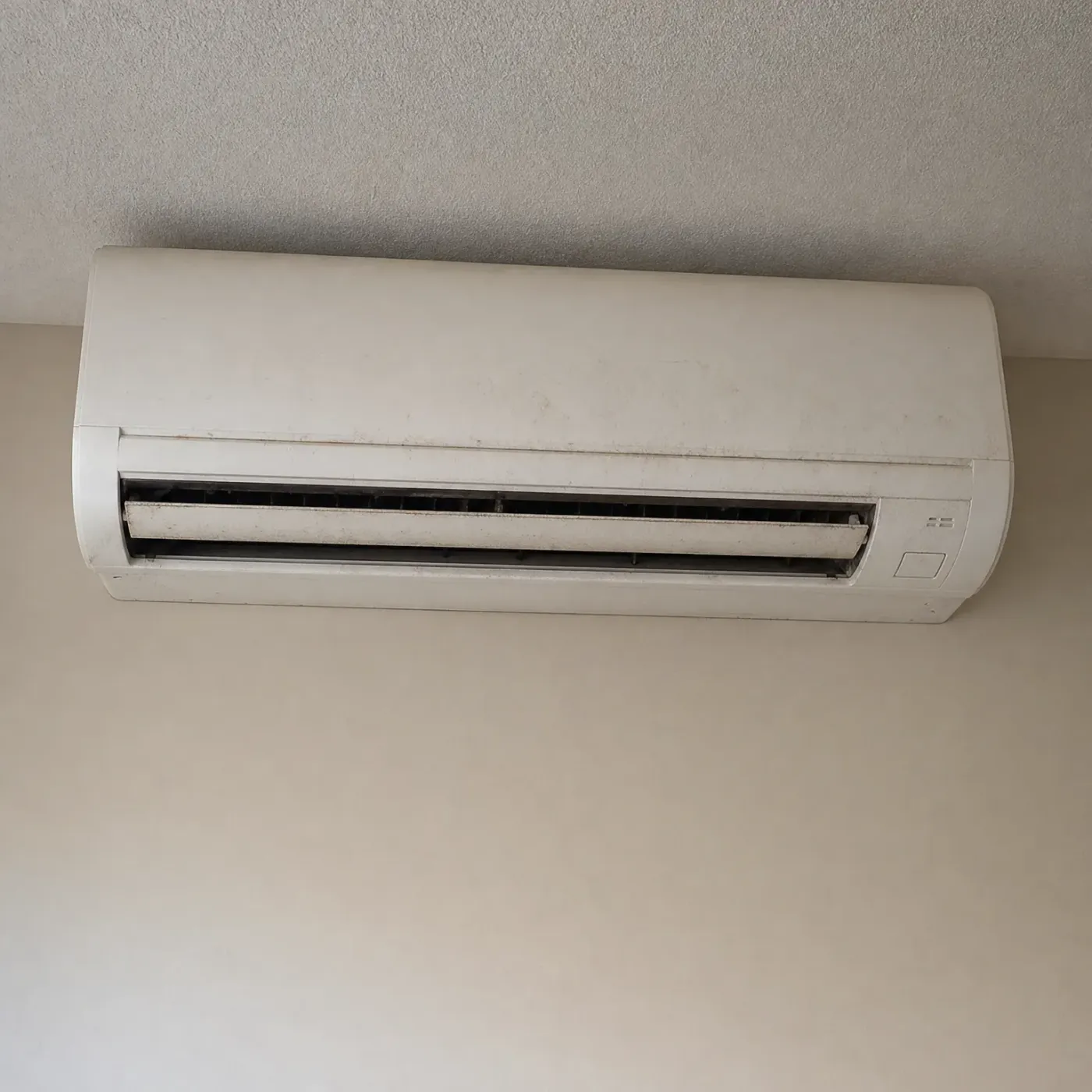
Mini Split, Clogged And Neglected
Dust and grime across the casing and filter choke the airflow this unit depends on. A dirty coil can't transfer heat the way it's designed to, so it draws more power for less warmth. Left like this long enough, a mini split can cost close to what baseboard would.
What this means for your bill
Run the baseboard in one room and the mini split in another this winter and look at what each one adds to the bill. Baseboard pulls power straight into heat with nothing left over, and at New York's electric rates that shows up fast. The mini split is moving heat from outside air into the room, so the same amount of power buys you more warmth. The difference is real money, not a rounding error, and it's one you can see for yourself by checking the meter before and after a cold week.
Most houses here are on gas for the main heat, with the mini split added for a room or two, or for the cooling that New York summers make necessary. If baseboard is still covering part of your house, that part is working against the rest of your setup, costing more per degree than it needs to. A contractor who knows New York installs can look at where the baseboard still runs and tell you what replacing it with mini split capacity would take. Once you send that along, finding the right person to look at your house isn't something you have to chase down yourself.
Why the ratio holds up outside
A mini split keeps that advantage even when it's cold out, as long as the outdoor coil stays clear of ice and the unit is sized for the room it serves. Baseboard heat never had a ratio to begin with. One kilowatt in gives you one kilowatt of heat, in January or in April. The mini split's edge comes from moving heat from outside air into the room, not from burning power to make it, so the gap between the two never closes.
What a rated system actually delivers
Every mini split carries a HSPF2 rating that tells you how much heat it puts out per unit of electricity over a full winter. A unit rated well above the federal minimum will beat baseboard by a wide margin on the same circuit, in the same room. Baseboard has no such rating because it has nothing to rate. It converts power to heat one to one, which is the ceiling a mini split starts above.
Power costs 26.39 cents per kilowatt-hour statewide
At 26.39 cents a kilowatt-hour, every kilowatt your baseboard burns costs more here than almost anywhere else in the country. Your mini split turns that same kilowatt into several kilowatts of heat, so the rate you're stuck paying hurts baseboard far more than it hurts the mini split.
EIA-861 2025 statewide residential average
Baseboard heat in a drafty room runs almost the whole time it's cold outside, because every watt it makes leaks out about as fast as it comes in.
A mini split in that same room still has to work harder to keep up, but it's still turning one watt into several watts of heat while it does it. The gap doesn't close, it just gets harder to see.
After this form, you can stop searching for a mini split pro.
You only hire the pro if you want to.
How Each One Actually Heats
A mini split pulls heat from outside air using refrigerant, then a compressor concentrates it before the indoor coil releases it into the room.
Baseboard heat has a single heating element that glows and radiates warmth straight into the air around it, with no moving refrigerant at all.
The mini split's outdoor unit has a compressor and fan that keep running in cycles, matching output to how much heat the room is losing.
Baseboard cycles its element on and off at a fixed output, so it can't scale down the way a mini split's variable compressor does.
A mini split's indoor head has a blower that pushes heated air across the room, while baseboard relies on air rising naturally off the element.
Ice on the outdoor coil forces the mini split into a defrost cycle, which briefly pauses heating, something baseboard never has to do.
A mini split works the same way a refrigerator does, just in reverse. Refrigerant in the outdoor unit absorbs heat from the air outside, even when that air is cold, and the compressor squeezes that refrigerant until its temperature climbs higher than the room needs. The hot refrigerant travels inside through a line set, and the indoor coil releases that heat as the blower pushes air across it and out into the room. The compressor doesn't just switch on and off. It ramps up and down to match what the room is losing at that moment, which is why a mini split can hold a steady temperature instead of swinging around one.
Baseboard works a simpler way. Power runs into a metal element, the element heats up, and warm air rises off it into the room while cooler air sinks down to take its place. There's no refrigerant, no outdoor unit, no compressor. The element is either drawing full power or it's off, so the room's temperature drifts between cycles rather than holding steady.
One thing a mini split does that baseboard never will: on the coldest days, frost can build up on the outdoor coil. When that happens, the unit runs a defrost cycle to clear the ice before it can keep pulling heat from the air. It's a short pause, built into how the system protects itself, not a sign anything's wrong.
Where baseboard still makes sense
A mini split doesn't reach every room the same way. If a bedroom or a sunporch only has baseboard and no indoor head, that room has no mini split heat to compare against, so the question of which is cheaper doesn't apply there. Some homes keep baseboard as backup for the handful of nights that drop well below what the mini split was sized for. Used that way, a few hours a year, the higher cost per kilowatt barely shows up on the bill. The math in this comparison is about a room that could reasonably be heated either way, not about a baseboard loop that's only ever asked to cover a gap.
What to check before you decide
Look at which rooms in your house actually have a mini split head and which ones only have baseboard along the wall. If gas heat runs the rest of the house, baseboard and the mini split may both be standing in for a furnace that doesn't reach that room, and the real comparison is against the gas rate, not just against each other. A contractor who looks at the room, the existing wiring, and where a line set could run can tell you whether adding a head there is worth doing, and what it would take to get that room off baseboard for good.
Before you get your mini split installationAfter you get your mini split installation
New York summers run sticky, with a dew point averaging 62°F across June, July and August, measured from local weather station data. That's the kind of air a mini split has to wring moisture out of before it can cool the room. The coil works harder pulling water out of heavy air than it does lowering dry air a few degrees, so on those thick, sticky days you'll notice the unit running longer stretches to get the room comfortable. It's still working off the same ratio that makes it cheaper than baseboard, but muggy air asks more of it than a dry heat wave would.
NASA POWER T2MDEW county cells weighted by homes
A mini split costs less to run than baseboard heat in New York, room for room, because it moves heat instead of making it, and at 26.39 cents a kilowatt-hour that difference shows up fast. The only place baseboard still holds its ground is a room the mini split never reaches. Where the house still has baseboard doing real work next to a mini split, the fix isn't a bigger bill, it's getting that room covered too. If that's where you stand, you don't have to spend the next few weekends calling around and comparing quotes yourself. Send the form and a contractor who installs mini splits in New York homes will reach out to you directly, and from there it's a conversation about your rooms, not a search you have to run on your own.