Tell us about the job
Takes about a minute. No obligation.
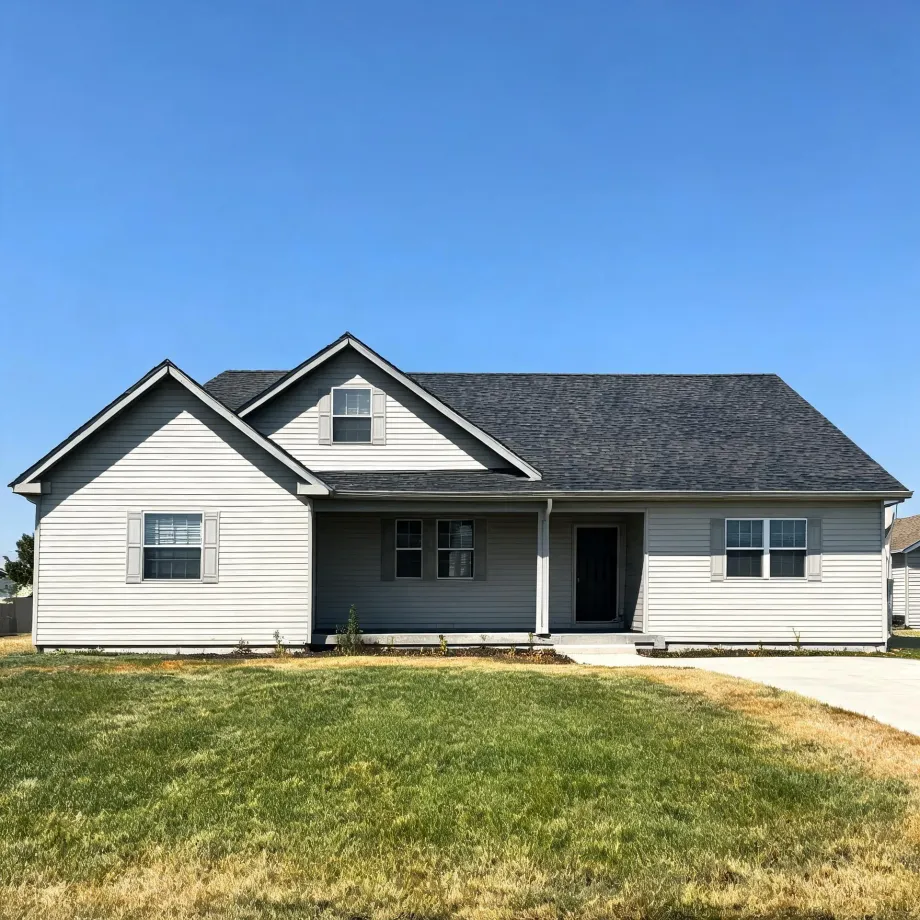
Sizing a mini-split in Broome County starts with understanding what the compressor is actually asked to do. Homes in Broome County, NY run cooling in a single month of the year, July. The compressor, the condenser fan, and the contactor spend most of the calendar standing off, and components that sit idle can develop faults that only show up under load. A contractor has to account for that when sizing and commissioning the unit, because a system that starts cold after a long idle period reveals problems a pre-season inspection on a mild day will not catch.
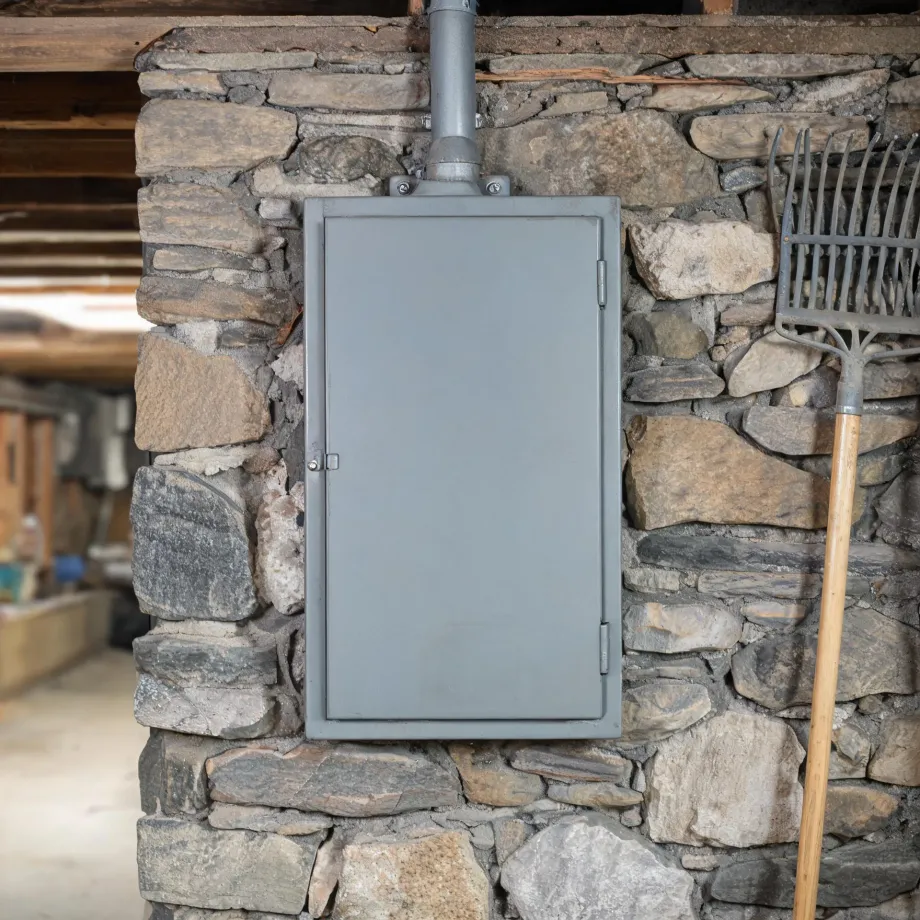
Electrical service is where a mini-split installation in Broome County tends to get complicated. Half the homes in Broome County, New York were built in 1958 or earlier (2020-2024 ACS 5-year). Houses built that long before modern ductless equipment arrived were wired for loads that bear little resemblance to what a mini-split draws today. A contractor sizing a new unit has to open the panel and find out what is actually there, because the year on the permit does not tell you whether the service has been updated since. Some panels have been; many have not.
What a Mini-split Installation Covers
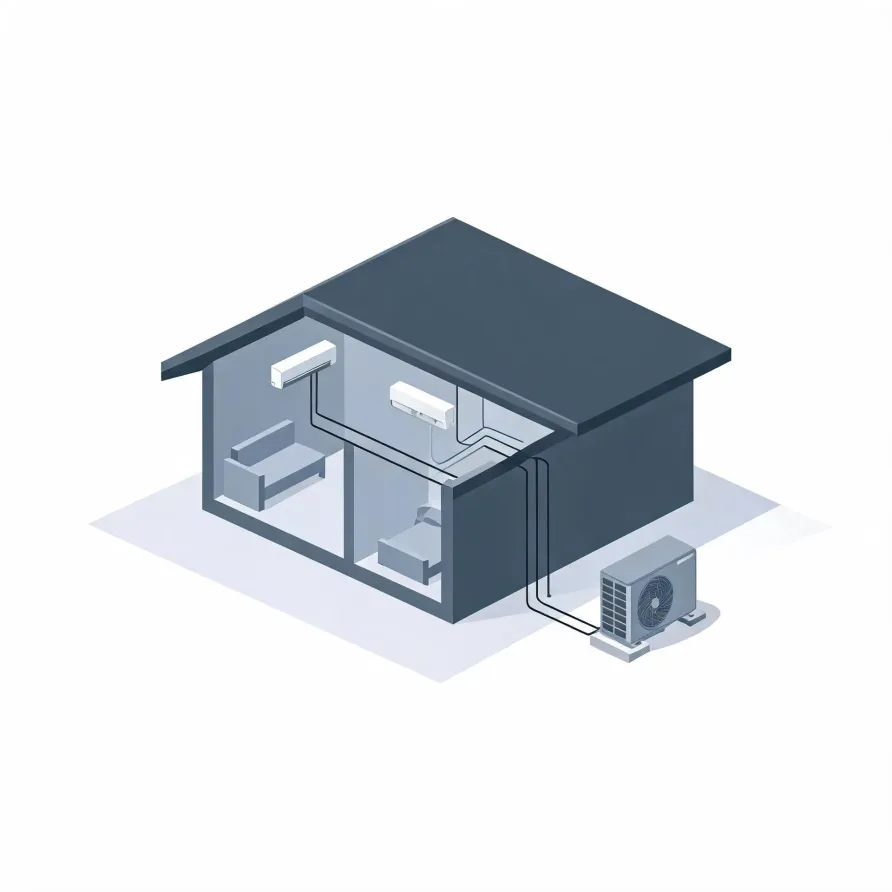
The indoor air handler mounts high on a wall inside the room being served, and that is where conditioned air enters the space. The outdoor condenser unit sits outside the home, typically on a pad or bracket at ground level or on an exterior wall, and houses the compressor and the components that shed heat to the outside air.
A refrigerant line set runs between the two units through a small hole in the wall, carrying the refrigerant that links the indoor and outdoor sides of the system. A condensate drain line exits the indoor unit and routes moisture out of the building, and a power and communication cable ties both units together so they operate as one.
The drawing shows a typical layout, and a licensed contractor determines exactly how each piece fits the specifics of your home.
Get matched in Broome CountyBroome County, by the numbers
314 severe weather events were recorded in Broome County, New York between 2015 and 2024.
NOAA National Centers for Environmental Information, Storm Events Database, bulk CSV export, events 2015-01-01 through 2024-12-31.Half the homes in Broome County, New York were built in 1958 or earlier (2020-2024 ACS 5-year).
U.S. Census Bureau, 2020-2024 American Community Survey 5-Year EstimatesBroome County, New York holds 93,164 housing units (2020-2024 ACS 5-year).
U.S. Census Bureau, 2020-2024 American Community Survey 5-Year EstimatesOwners occupy 64.5% of the occupied homes in Broome County, New York (2020-2024 ACS 5-year).
U.S. Census Bureau, 2020-2024 American Community Survey 5-Year EstimatesSevere Weather Events in Broome County
Weather in Broome County puts real load on heating and cooling equipment, and that load shapes what a mini-split installation here needs to handle. Sizing and siting decisions are local decisions, and what the climate demands year to year is part of that picture.
314 severe weather events, 2015–2024. Source: NOAA National Centers for Environmental Information, Storm Events Database.