Tell us about the job
Takes about a minute. No obligation.
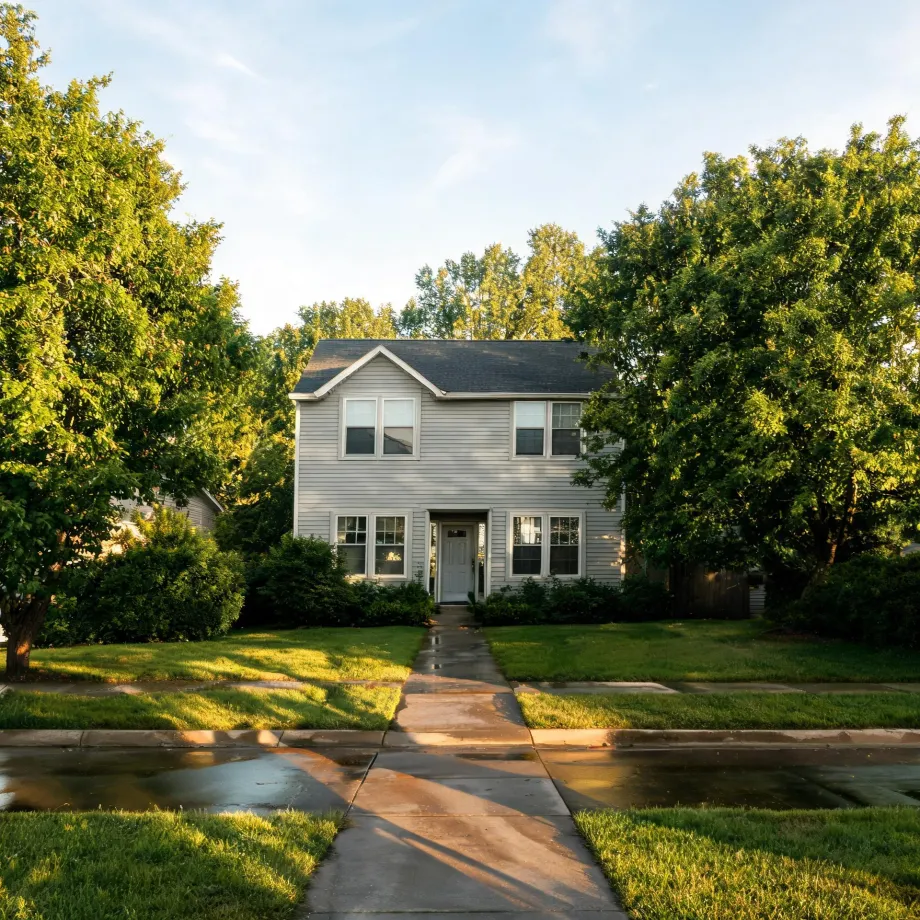
A mini-split compressor that breaks on a hot July day has spent most of the preceding year off. Homes in Saratoga County, NY run cooling in a single month of the year, July. Prolonged idle time lets refrigerant migrate, contacts corrode, and capacitors weaken without any sign showing until the system starts. A contractor diagnosing the unit looks at what degraded during standby first, because the compressor, the contactor, and the start capacitor all carry the evidence of a long rest more than a short run.
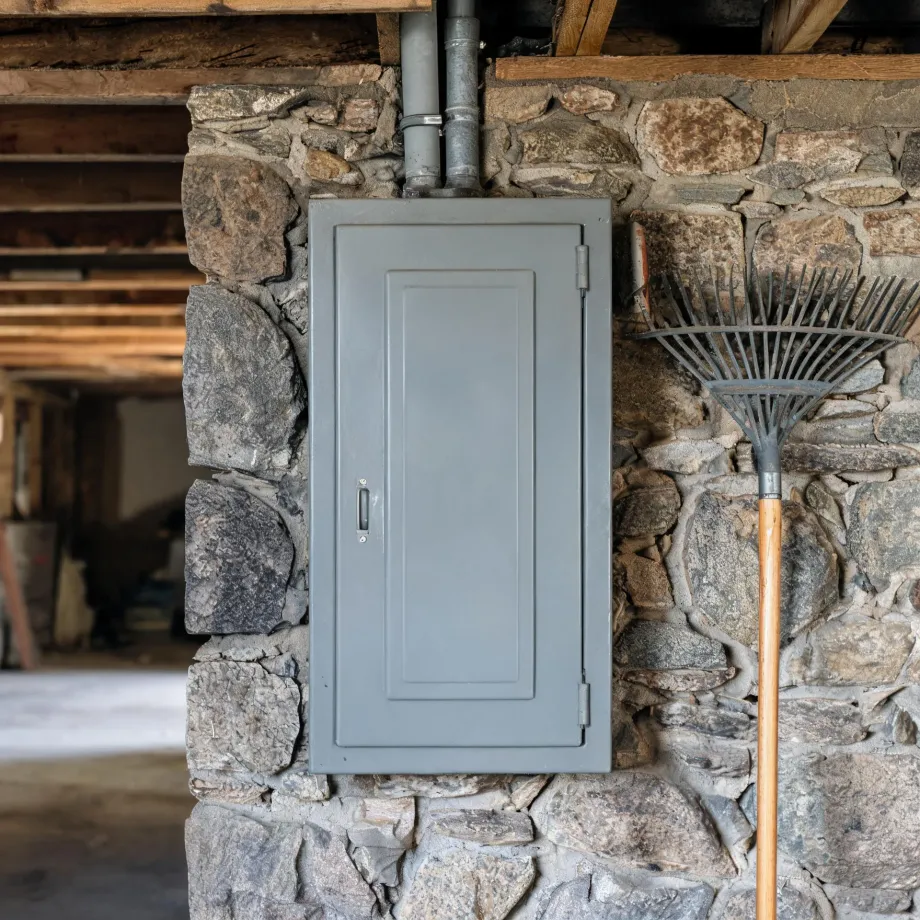
Refrigerant lines and electrical feeds do not age on the same schedule as the unit they serve. Half the homes in Saratoga County, New York were built in 1984 or earlier (2020-2024 ACS 5-year). When a contractor opens a mini-split in stock this old, the condition of the line set run through the wall and the circuit feeding the outdoor unit often decides more about the repair than the component that failed. A corroded flare fitting or a feed-wire splice that has worked loose can produce symptoms identical to a failing board, and a repair that skips the line set inspection fixes the wrong thing.
The Parts of a Mini-split a Contractor Checks First
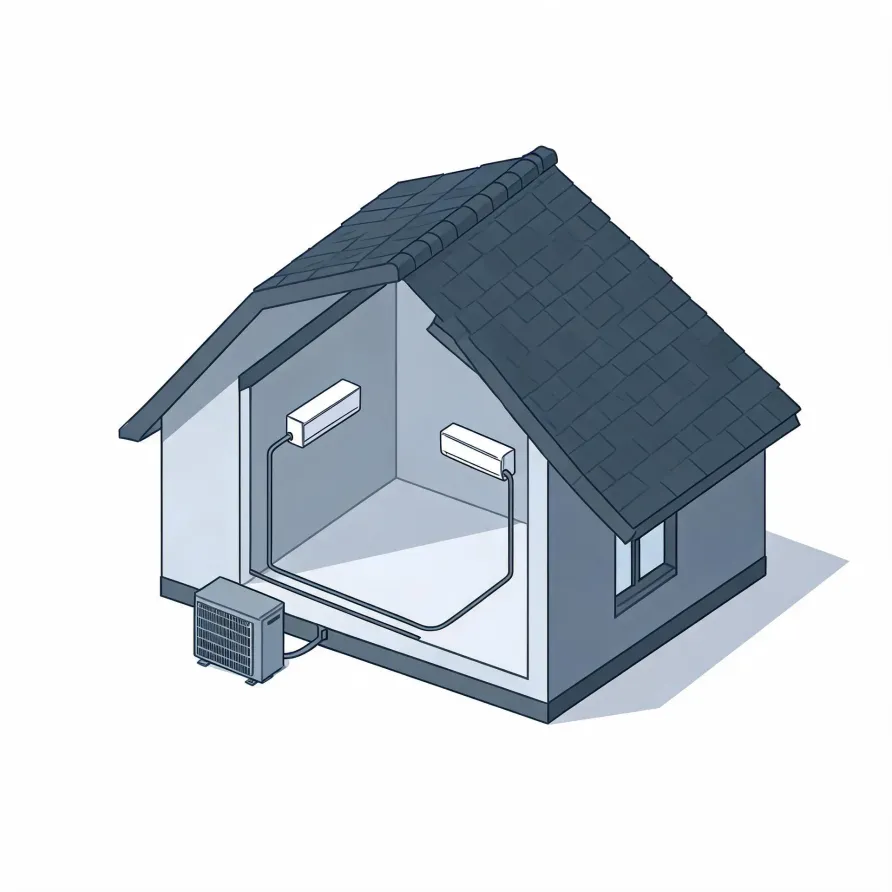
The indoor air handler mounts high on a wall inside the room and is where most visible problems show up first: a frozen coil, a blocked drain line, or a fan that has stopped moving air. The outdoor condenser unit sits on the ground or a bracket outside and houses the compressor, which is the part contractors look at when the system runs but produces no change in temperature.
A refrigerant line set runs between the two units through a small hole in the wall, carrying the refrigerant that makes the exchange possible. A condensate drain line runs from the indoor unit to the outside, and a blockage there is a common reason water appears on the wall or floor near the handler.
The drawing shows a typical mini-split layout, and a licensed contractor determines which components apply to your specific installation.
Get matched in Saratoga CountySaratoga County by the numbers
512 severe weather events were recorded in Saratoga County, New York between 2015 and 2024.
NOAA National Centers for Environmental Information, Storm Events Database, bulk CSV export, events 2015-01-01 through 2024-12-31.Half the homes in Saratoga County, New York were built in 1984 or earlier (2020-2024 ACS 5-year).
U.S. Census Bureau, 2020-2024 American Community Survey 5-Year EstimatesSaratoga County, New York holds 112,109 housing units (2020-2024 ACS 5-year).
U.S. Census Bureau, 2020-2024 American Community Survey 5-Year EstimatesOwners occupy 72.3% of the occupied homes in Saratoga County, New York (2020-2024 ACS 5-year).
U.S. Census Bureau, 2020-2024 American Community Survey 5-Year EstimatesSevere Weather Events in Saratoga County
Extreme weather puts real stress on mini-split systems, and how hard a unit works over its lifetime depends largely on what the local climate demands of it. Repair needs in Saratoga County are shaped by that local history.
512 severe weather events, 2015–2024. Source: NOAA National Centers for Environmental Information, Storm Events Database.