Profile view of a bearded man wearing a dark green baseball cap and a dark gray T-shirt against a plain light background.

Should a mini split run all winter in New York

Step 1 of 3: Equipment

A mini split can run all winter in New York, but most will struggle once temperatures drop into the teens or lower, which happens plenty here between December and February. Mini splits pull heat from outside air, and as that air gets colder, the system works harder and puts out less heat for the energy it uses. Many homeowners here run the mini split through fall and the milder days of winter, then lean on a gas furnace when it gets truly cold, letting each system do what it does best. If your mini split keeps running without shutting off, or the outdoor unit is caked in ice that doesn't clear during its defrost cycles, it's working beyond what it can handle. A system that's maintained, with clean coils and the right refrigerant charge, holds up better in cold than one that isn't, but nothing changes how cold air itself limits what a heat pump can do.

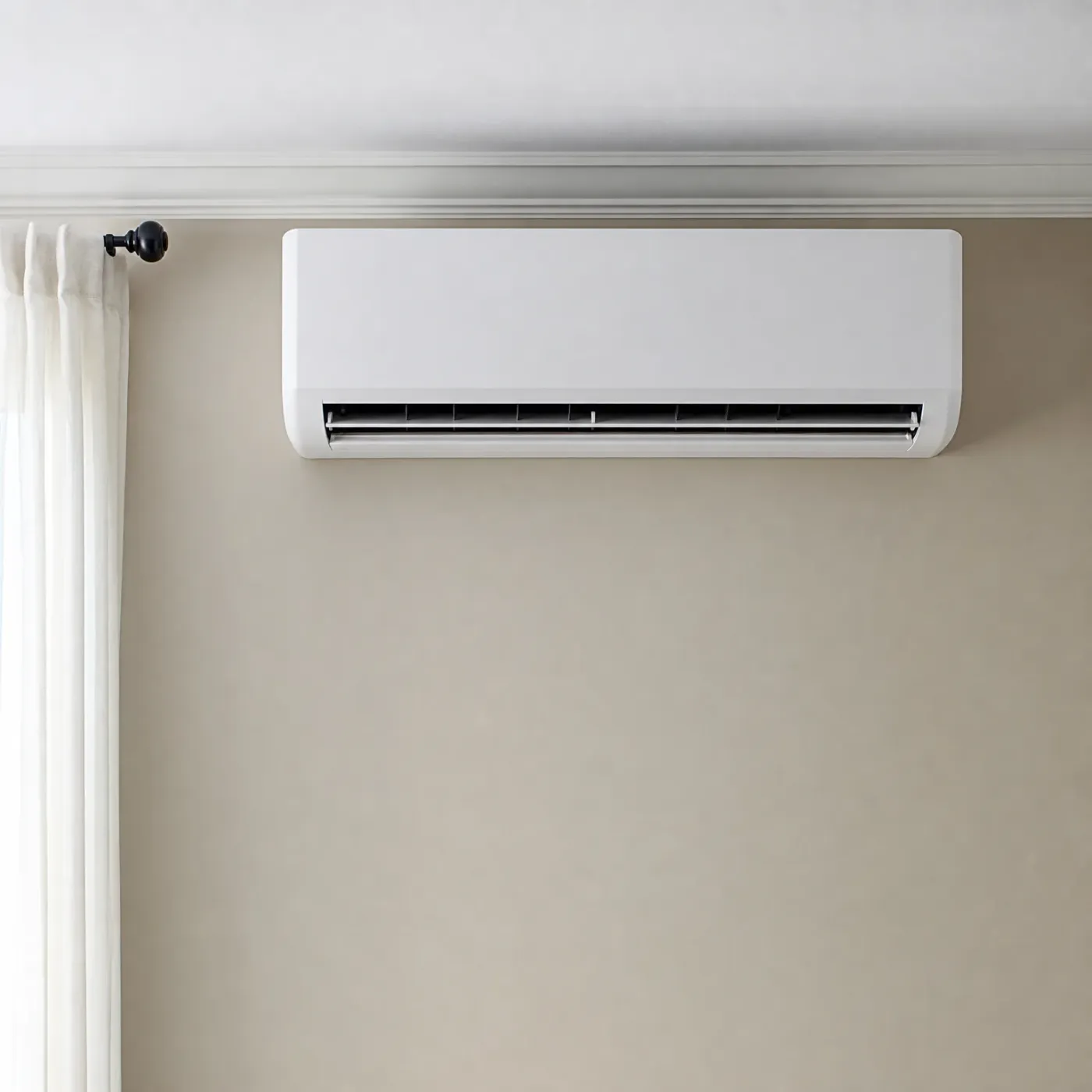
A white wall-mounted mini-split air conditioner installed high on a beige interior wall below crown molding, with a sheer white curtain on a dark rod at the left edge.
Running clean, the indoor unit pulls this kind of cold air duty without much drama, especially down to the teens.
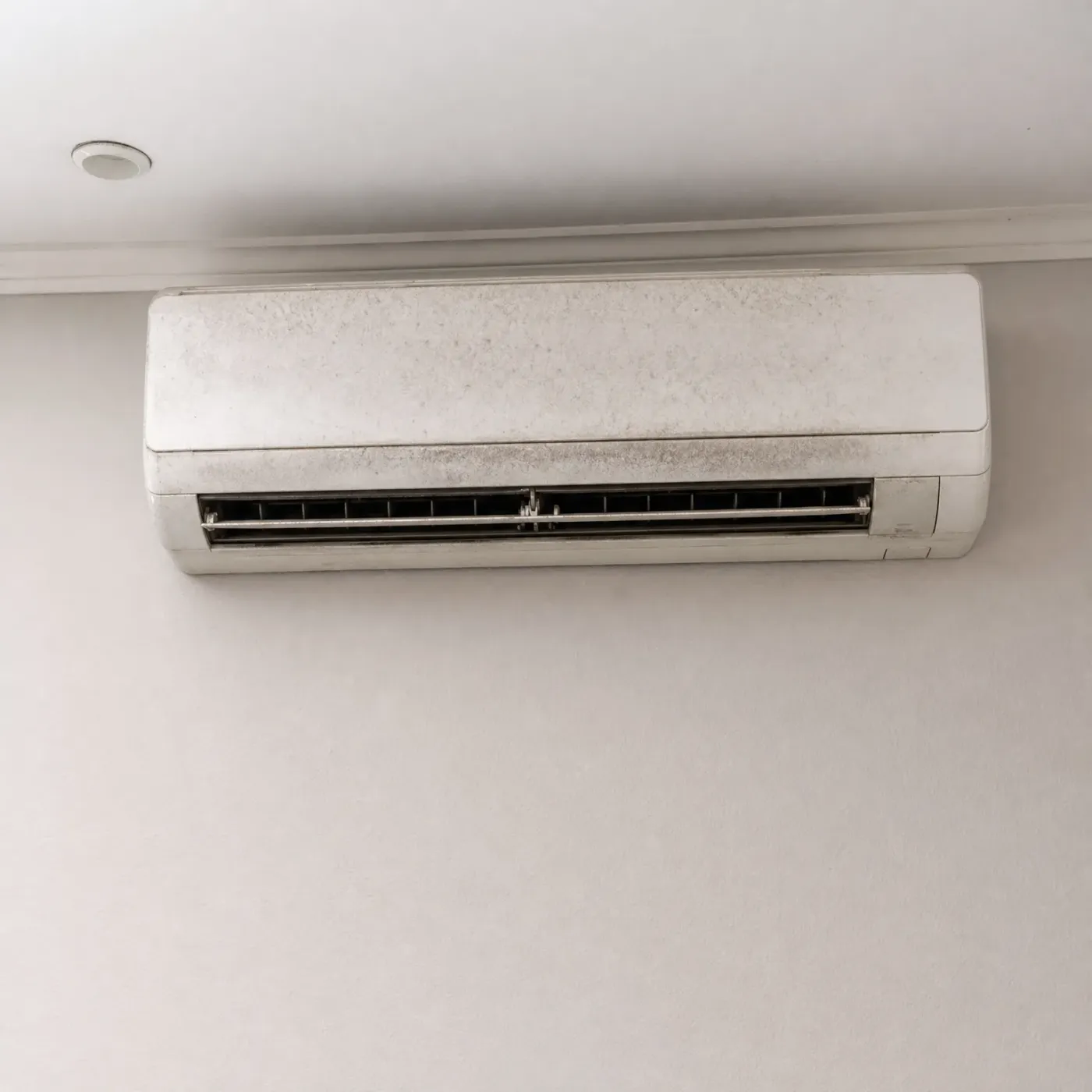
A dusty white wall-mounted mini-split air conditioner unit installed near the ceiling on a plain light-colored interior wall, with a small recessed ceiling fixture at upper left.
Caked dust on the coil makes the unit work harder for the same heat, right when the power bill is already high.
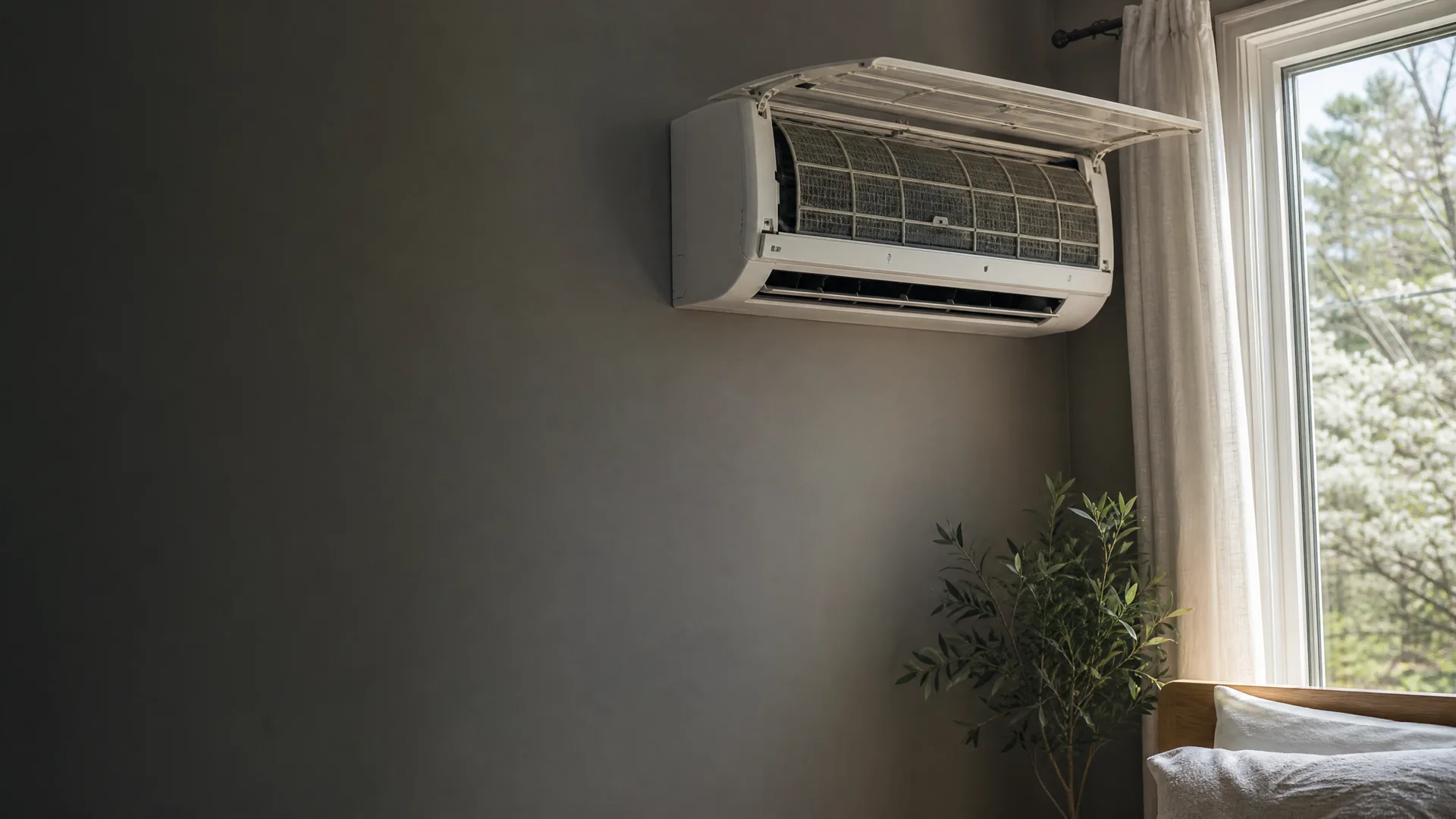
A wall-mounted mini-split air conditioner with its front cover open exposing the filters, on a gray interior wall beside a curtained window with green trees outside and a potted plant below.

You pull the cover off the indoor unit on a Saturday in April, the first warm day after a long run of heat. The filter screen is grey with dust, more than you expected. Behind it the coil looks the same, a fine coat of lint packed into the fins. You think back to January, to the nights it dropped into the teens and the unit ran almost nonstop trying to keep the bedroom warm. You remember the bill that month, higher than the one before it. Outside the window the light is different now, longer, softer, and the room is warm without any help. You set the cover piece on the bed and reach for a vacuum attachment, wondering how long that dust had been sitting there doing its work.

Is your mini split keeping up or just running?

Put your hand near the indoor unit. If the air coming out feels lukewarm instead of warm, or the unit runs long stretches without the room actually warming up, it's working harder than it should. Listen for it cycling on and off more than usual, or running nonstop on the coldest days. Check the outdoor unit too. Ice building up on it is normal in small amounts, but a heavy coat that doesn't clear on its own points to a problem. A dirty filter or coil forces the system to run longer to do the same job, and that shows up on your power bill before it shows up as a breakdown. Left alone, the strain can shorten how long the system lasts.

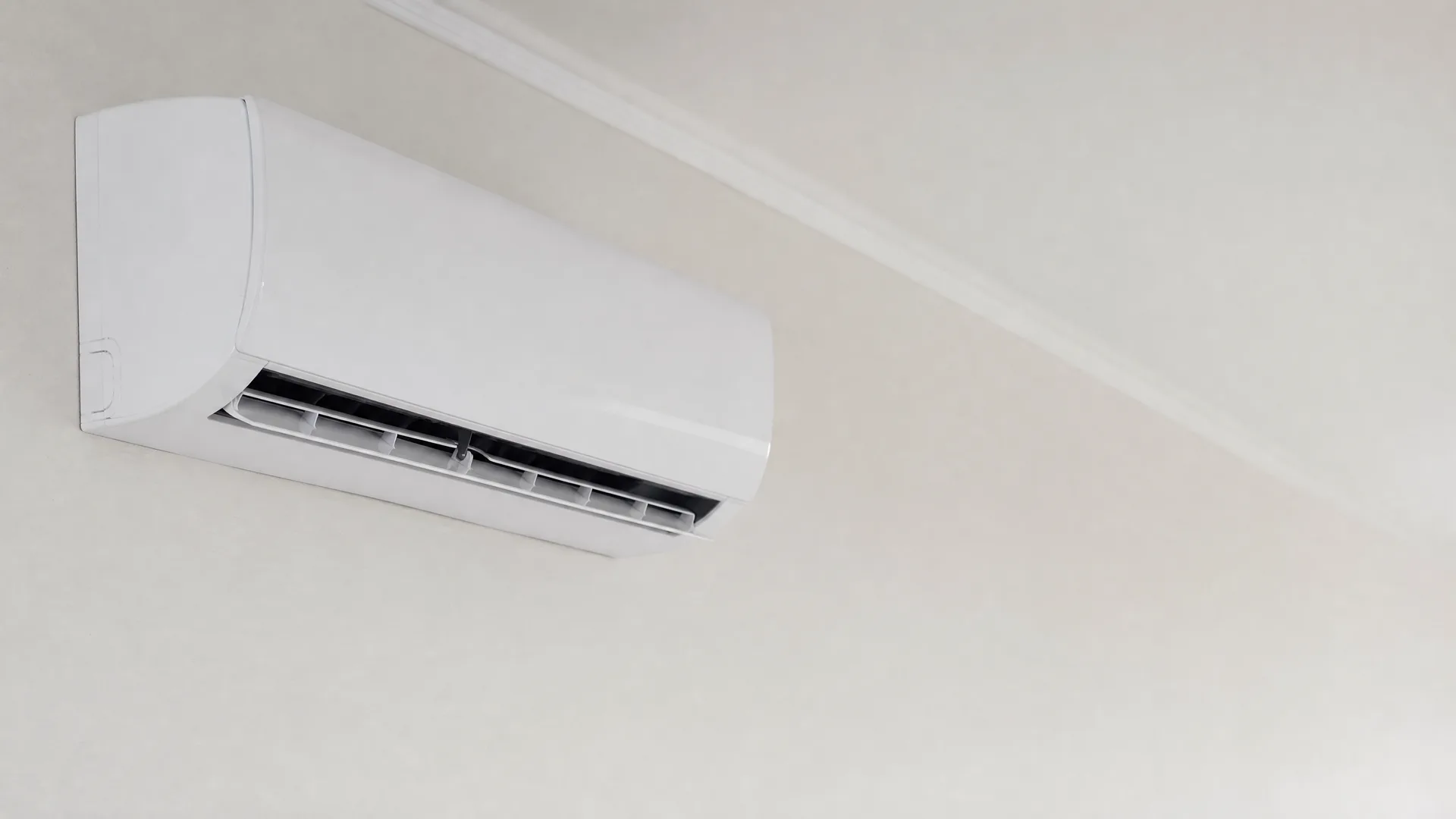
A white wall-mounted mini-split air conditioner indoor unit installed near the ceiling on a plain beige wall.

How defrost cycles work against you

Below freezing, frost builds on the outdoor coil and the system has to pause heating to melt it off. That's normal. But a coil already dirty from a summer of use, or an outdoor unit half buried after a snowfall, holds that frost longer and defrosts more often. Each defrost cycle is heat your home isn't getting. In a New York January, running several extra defrost cycles a day adds up on a power bill that's already among the highest in the country.

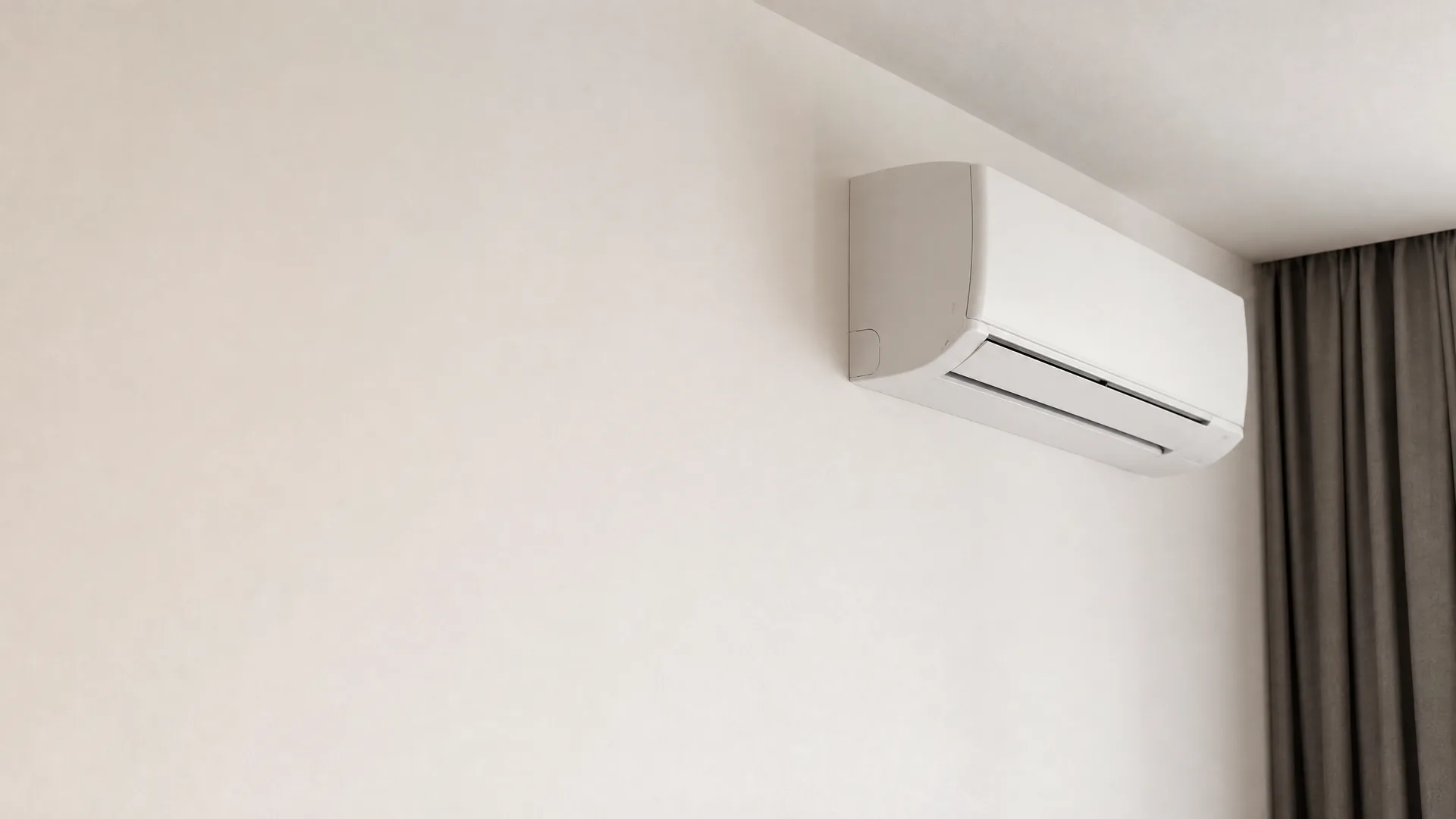
A white wall-mounted mini-split air conditioner on a plain off-white interior wall, with a gray curtain at the right edge.

Why gas backup homes still need this

Most homes here heat with gas, and a lot of mini splits are installed as a supplement, not the only source of heat. That changes the math on upkeep, not whether it matters. A mini split straining through December and still drawing full power for partial output costs you on the electric side even while the furnace covers the rest. A unit that's been serviced before the cold sets in keeps pulling its share of the load instead of quietly doing less for the same draw.

A man in a dark blue shirt stands in an open front doorway of a stucco and wood-clad house, facing a blond woman seen from behind in the foreground on a stone walkway.

What the outdoor unit is actually doing at 15 degrees

Inside that outdoor unit, refrigerant is absorbing heat from the outside air, even air that cold still holds some, and a compressor is squeezing that refrigerant to raise its temperature further before sending it inside to the indoor coil. The colder the air outside, the harder the compressor has to work to pull the same amount of heat out of it. That's just the physics of the thing. It's also why a mini split that heats a room fine in November can feel like it's barely keeping up in January, same settings, same room.

A contractor who services mini splits through a New York winter sees this pattern on repeat calls: compressors running longer cycles, outdoor coils that need clearing, refrigerant charge that's drifted low enough to make the cold-weather struggle worse than it has to be. Getting matched with someone local who already knows what tends to go wrong in this kind of cold, rather than a generalist who mostly sees these units in July, means less guessing about your specific setup.

Interior corner of a living room with a beige upholstered sofa and dark cushion in the foreground, a ceramic vase of leafy branches on a dark side table by a curtained window, a framed picture on the wall, and a wood-surround fireplace at right.
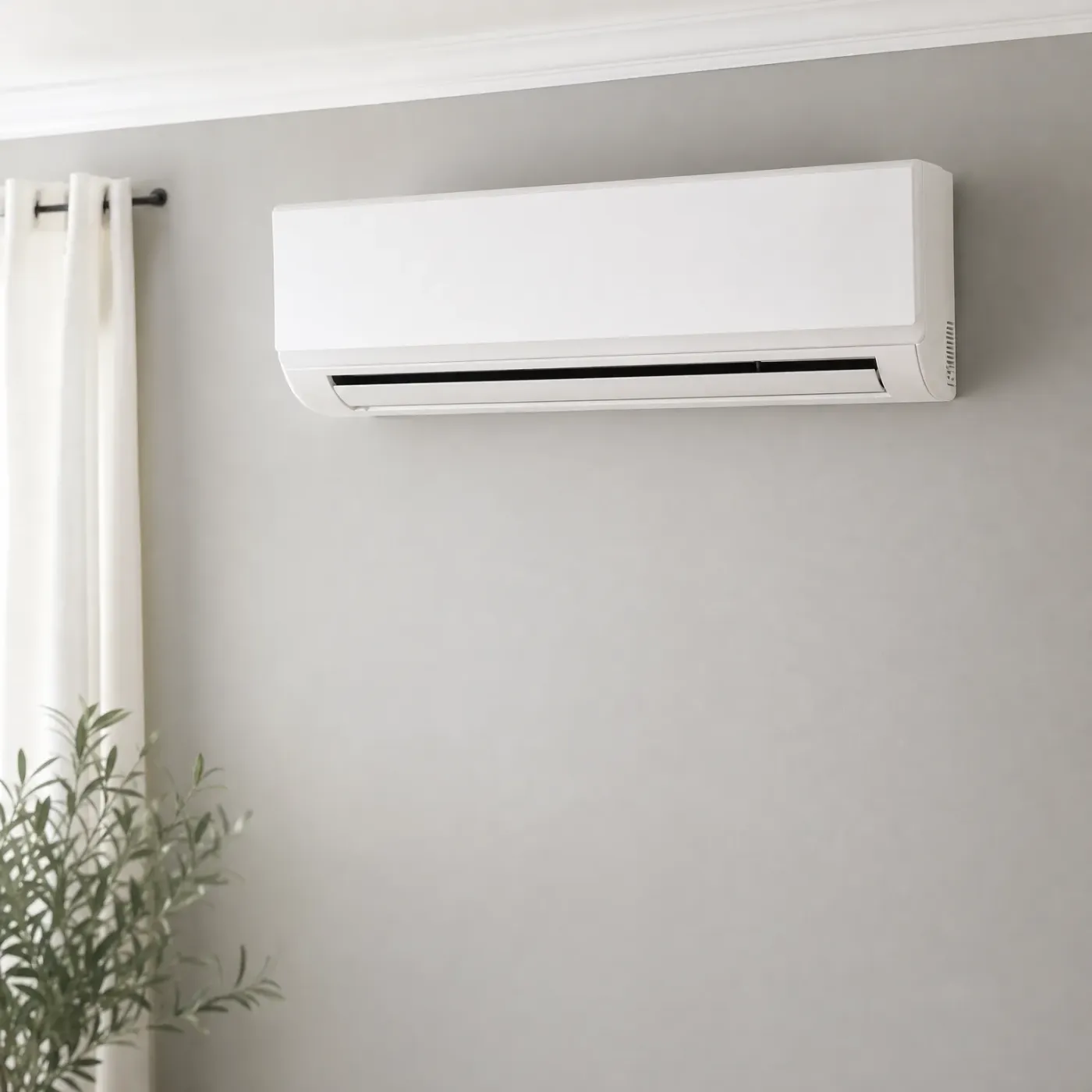
A white wall-mounted mini-split indoor unit on a light gray interior wall, with a white curtain on a black rod at left and a leafy plant in the lower left corner.

Clean coil, cold day

This is what a mini split should look like going into a cold snap. Air moves through the vents without resistance, and the unit pulls heat out of that cold outside air and gets it into the room without extra strain. Even in the teens, it keeps up.

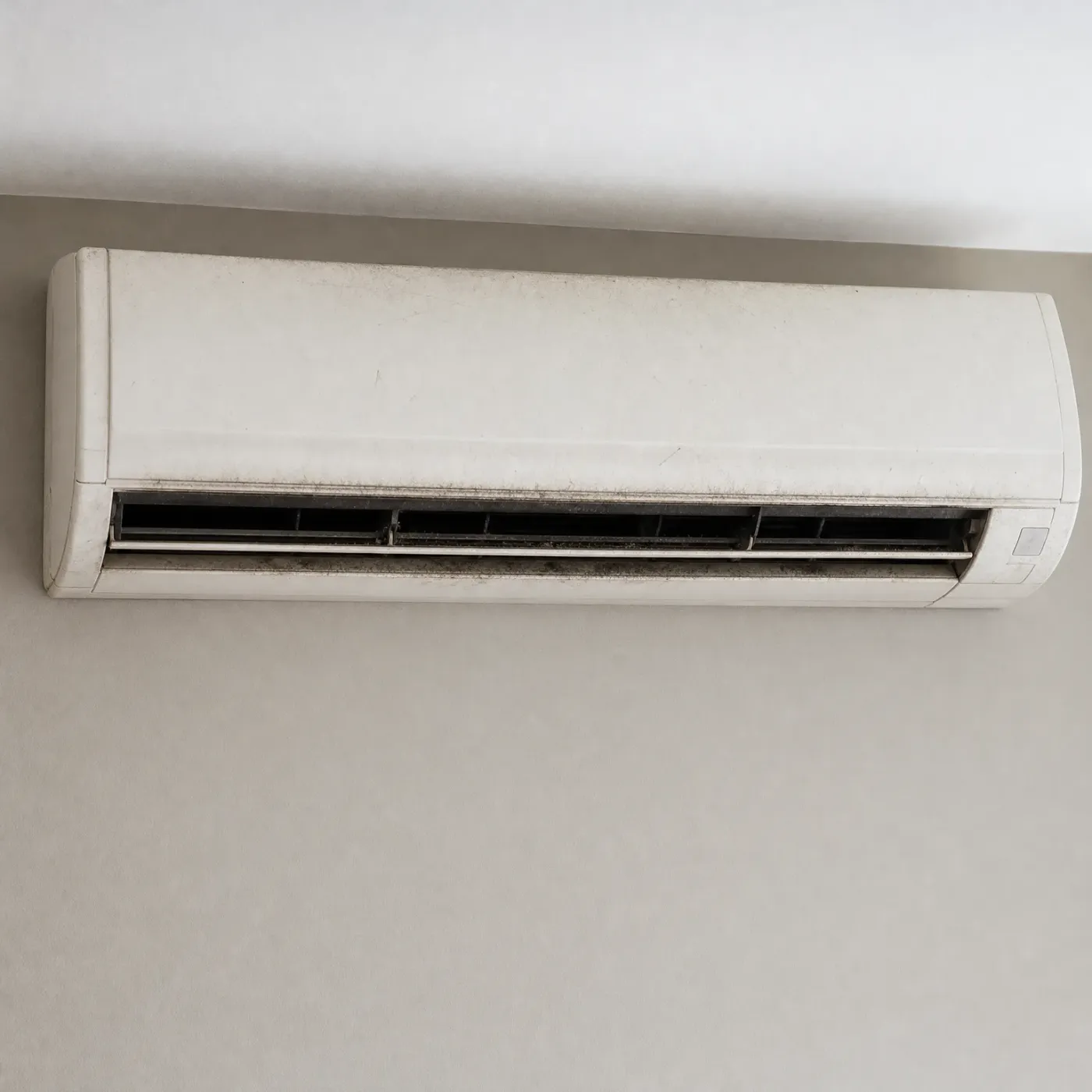
A wall-mounted white mini-split air conditioner indoor unit with visible dust and grime around its outlet vent, installed near the ceiling on a plain light-colored wall.

Dirty coil, same cold day

This unit has been running all summer and fall without a cleaning, and it shows along the vents and casing. A coil this dirty blocks airflow, so the system runs longer to put out the same heat. On the coldest days this winter, that's the unit struggling to keep the room warm.

A gray-haired, bearded man in a dark coat dusted with snow stands smiling in a dimly lit room with a lamp, mirror, framed art, and a sofa in the background.
An older man with white hair and a beard, wearing a dark snow-dusted coat and scarf, stands in a warmly lit interior hallway with a framed landscape picture, a table lamp and a potted plant behind him, and a snowy view through a window at left.
An older man in a dark snow-flecked overcoat and scarf stands smiling in a warmly lit home entryway, with a glass-paned door showing darkness outside and a lamp-lit room visible through a doorway behind him.
An older man with gray hair and a beard, wearing a dark snow-dusted jacket and scarf, stands smiling in a warmly lit interior hallway with a lit table lamp, a vase of dried branches, and a framed picture in the background.
Living room with a grey sectional sofa, wall-mounted white mini-split air conditioner above it, a potted tree beside sliding glass doors with beige curtains, and a wooden coffee table with a vase of foliage in the foreground.

Matched to your mini split job

A licensed local pro takes the request for your mini split tune-up.

A local pro who knows mini splits gets your details and gets in touch.

Find a licensed pro

It costs nothing to send, and you don't have to hire anyone.

Why does my mini split have a backup heat setting if it's supposed to heat all winter?

You saw a backup heat or auxiliary heat setting on the thermostat or remote and it made you wonder what the mini split is actually for. If it can heat the house all winter, why would it need help. You're not sure if that setting is there for New York's cold snaps or if it means the mini split was never meant to carry the whole winter on its own.

It's there for the hours the mini split alone can't keep up, not because it's failing

The backup setting exists because every mini split loses capacity as the outside air gets colder, and on the coldest nights in New York it may not pull enough heat out of that air to keep the house at temperature. Backup heat, usually electric resistance heat built into the system, fills that gap. It's meant to run for hours, not months. A mini split that's clean and sized right for the room should carry most of the winter on its own, December through February included. If the backup is kicking on often, on days that aren't especially cold, something upstream, a dirty coil or a struggling compressor, is cutting into what the unit can do.

A two-story house with cream horizontal siding, a dark gabled roof, and a white front door, fronted by a lawn, shrubs, and a concrete walkway leading to a sidewalk and street, with large leafy trees on both sides.

Summers here run muggy, with the dew point averaging 62°F across June, July and August, according to NOAA climate data for New York. That's the kind of air that feels heavy even when the temperature itself isn't that high. Your mini split spends those months pulling moisture out of the air as much as it pulls out heat, and that load falls on the same indoor coil you'll depend on for heat come winter. A coil that's been working against thick, humid air all summer picks up more dust and grime than one in a dry climate. Come December, that buildup is what makes the unit strain to pull heat from cold outside air.

NASA POWER T2MDEW county cells weighted by homes

Mini split alone or switch to gas

Running on the mini split alone

  • No gas line involved, so there's nothing to combust and nothing to vent, just the indoor and outdoor units moving heat.
  • On a mild day in the 40s, the mini split covers the load easily and costs less to run than resistance heat would.
  • On a single-digit night, the compressor has to work much harder to pull heat from that cold air, and output drops off.
  • Defrost cycles cut in more often below freezing, which pauses heating for a few minutes at a time.
  • A coil that's been kept clean holds up better through a stretch of teens than one going into winter dirty.
  • You're leaning on one system for the whole house, so any drop in its output shows up as a cold room.

Switching over to gas heat

  • Gas burns hot regardless of how cold it is outside, so output doesn't fall off the way it does with a mini split.
  • Most homes here already have the gas line and furnace in place, so switching over doesn't mean adding new equipment.
  • Power here costs more than most of the country, and gas heat avoids leaning on electric resistance backup during the coldest stretch.
  • A furnace doesn't need a defrost cycle, so it keeps running straight through without the pauses a mini split has in the teens.
  • You lose the zone control a mini split gives you, heating just the room you're in instead of the whole house.
  • A furnace that gets skipped on maintenance for a few years can lose efficiency quietly, the same way a dirty mini split coil does.
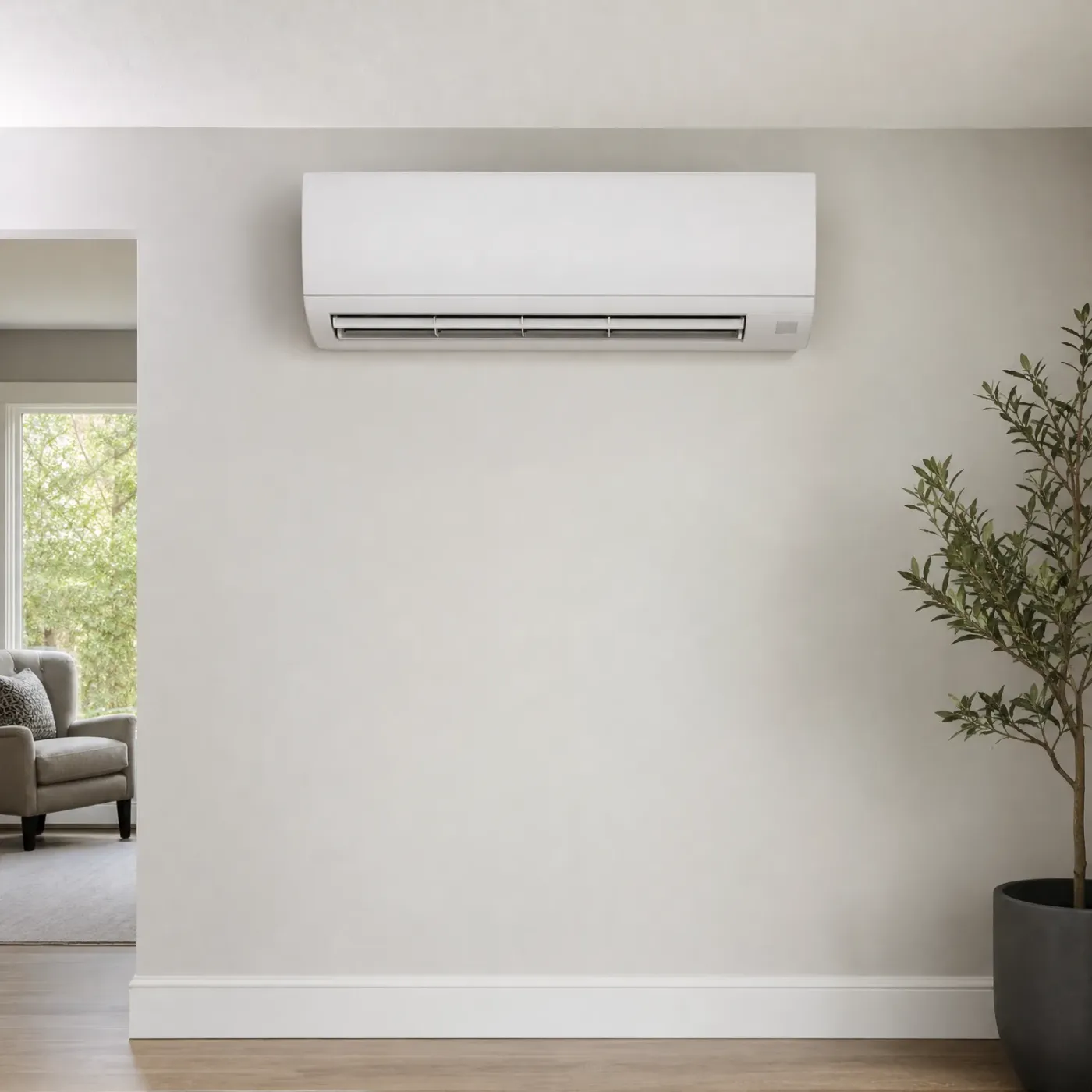
A white wall-mounted mini-split indoor unit high on a beige interior wall, with a potted olive-like tree at right and an armchair and window visible through a doorway at left.

A unit that can keep up

Clear vents, a clean coil, and the air coming off this one actually feels warm. It's pulling heat out of cold air and moving it into the room without fighting itself to do it. This is what lets it handle a stretch in the teens without running constantly.

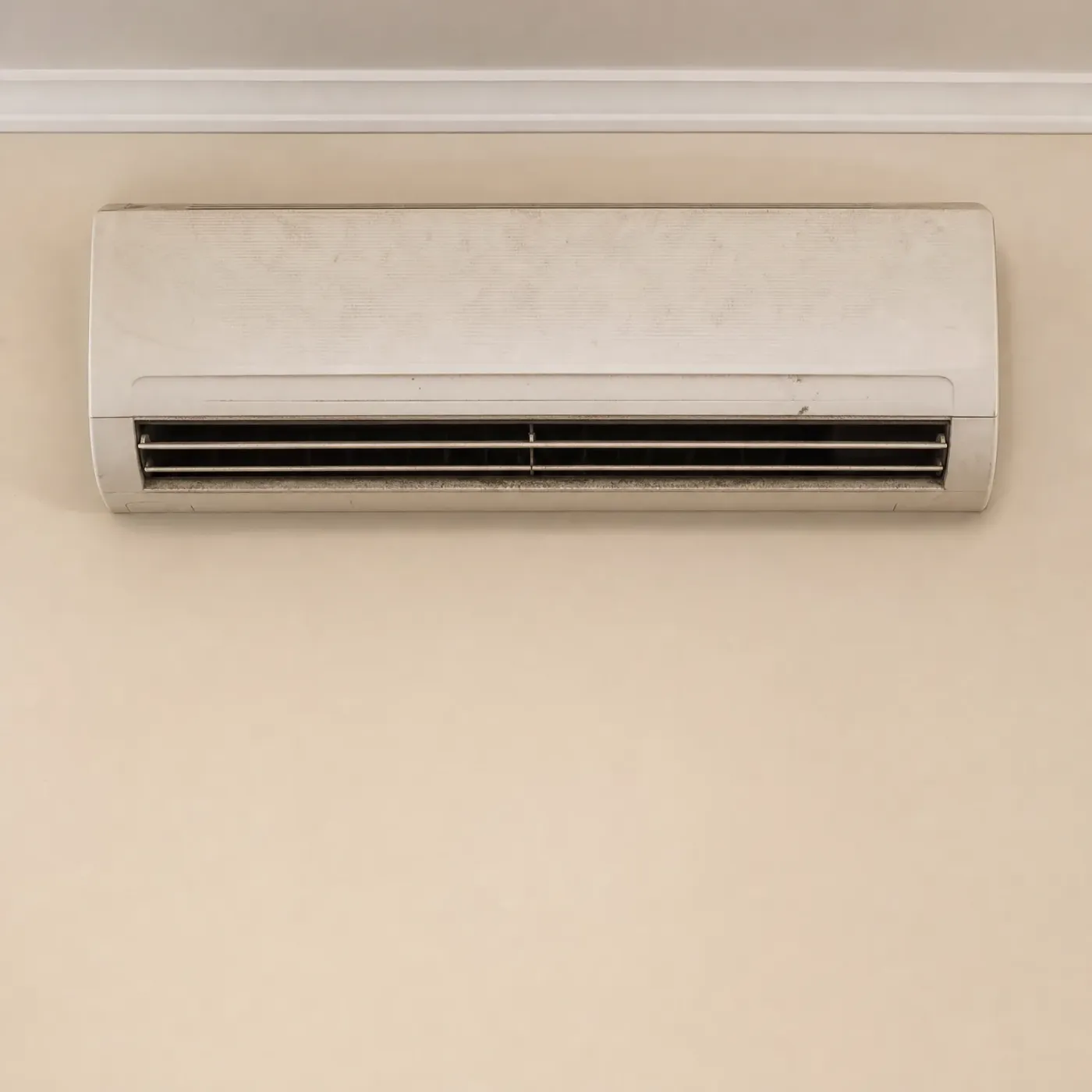
A wall-mounted mini-split air conditioner indoor unit with visible dust and staining, installed on a beige interior wall below white crown molding.

A unit fighting itself

That grime packed into the vents and casing isn't just dust. It's resistance. Air has to push through it, and the coil behind it can't move heat the way it's supposed to. On a cold night this unit runs longer for less warmth, and on your power bill, that difference shows.

Power costs 26.39 cents per kilowatt-hour statewide

At just over 26 cents a kilowatt-hour, every degree your mini split has to work for shows up on the bill fast. A dirty coil or weak airflow doesn't just run longer, it runs at that rate longer, on the coldest days when you're already leaning on it hardest.

EIA-861 2025 statewide residential average

A woman wrapped in a cream textured blanket sits in an armchair beside a lit lamp and a dark window, with an open book in the foreground.
A smiling older woman with gray hair in a cream knit sweater stands in a dimly lit kitchen beside a window showing snow outside, with a round loaf of bread on the counter in the foreground.

Where your mini split stands

  • A mini split can run all winter here, but it loses ground once temperatures drop into the teens, which happens most winters in New York.
  • A clean coil and clear airflow are what let the unit pull heat out of that cold air without straining.
  • Most of the trouble reported above, from frost that won't clear to a coil caked with lint, traces back to maintenance that got skipped.
  • A backup heat setting exists because even a well-kept mini split has a point where it needs help, not because the unit is failing.
  • A local contractor who services mini splits through New York winters has seen which parts give out first at 15 degrees.
  • Matching you with one licensed contractor near you means one person looking at your actual unit, not a string of calls to sort through.

So the answer is yes, with a limit. Your mini split can carry the house through a New York winter, but once the outdoor temperature falls into the teens, a dirty unit starts losing the fight before a clean one does. Everything above points at the same thing. Frost that lingers on the outdoor coil, a filter packed with dust, an indoor unit blowing air that never quite feels warm, all of it comes back to maintenance rather than the equipment being wrong for the job. A mini split that's been kept clean pulls heat out of cold air and moves it inside without extra strain, and that's true down to the teens. One that hasn't been serviced is working harder for the same degree of warmth, on the days your power bill is already climbing. The backup heat setting on your thermostat isn't a sign the system failed you. It's there for the stretch of nights every well-kept mini split needs help with, nothing more.

Where you live, the equipment runs hard in both directions, muggy summers and cold snaps that hit the teens more winters than not. A contractor who works on mini splits through that whole stretch in New York has a good sense of which part tends to give out first in a system that's gone a season or two without attention, whether that's a coil losing airflow or a defrost cycle that's stopped clearing. Getting matched with one licensed contractor local to you means someone looks at your actual unit, not five companies working from the same guess.

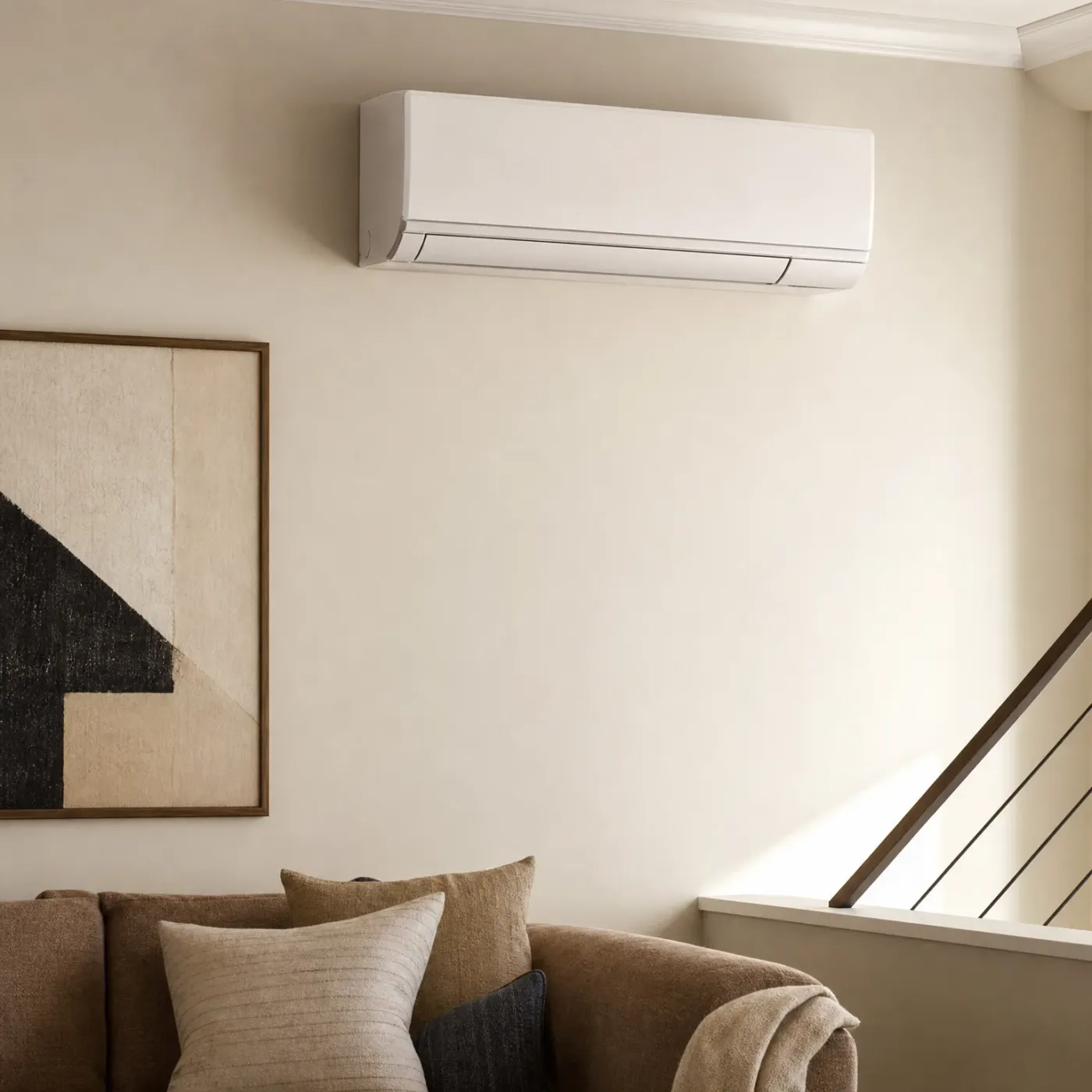
A white wall-mounted mini-split indoor unit high on a beige interior wall, above a brown sofa with cushions and a throw, beside a framed abstract artwork and a stair railing.

A mini split pro near you

Find a local pro

The pro who reaches out is licensed in New York.

No charge to send it. You decide if you hire them.