





What a mini split tune-up covers in New York

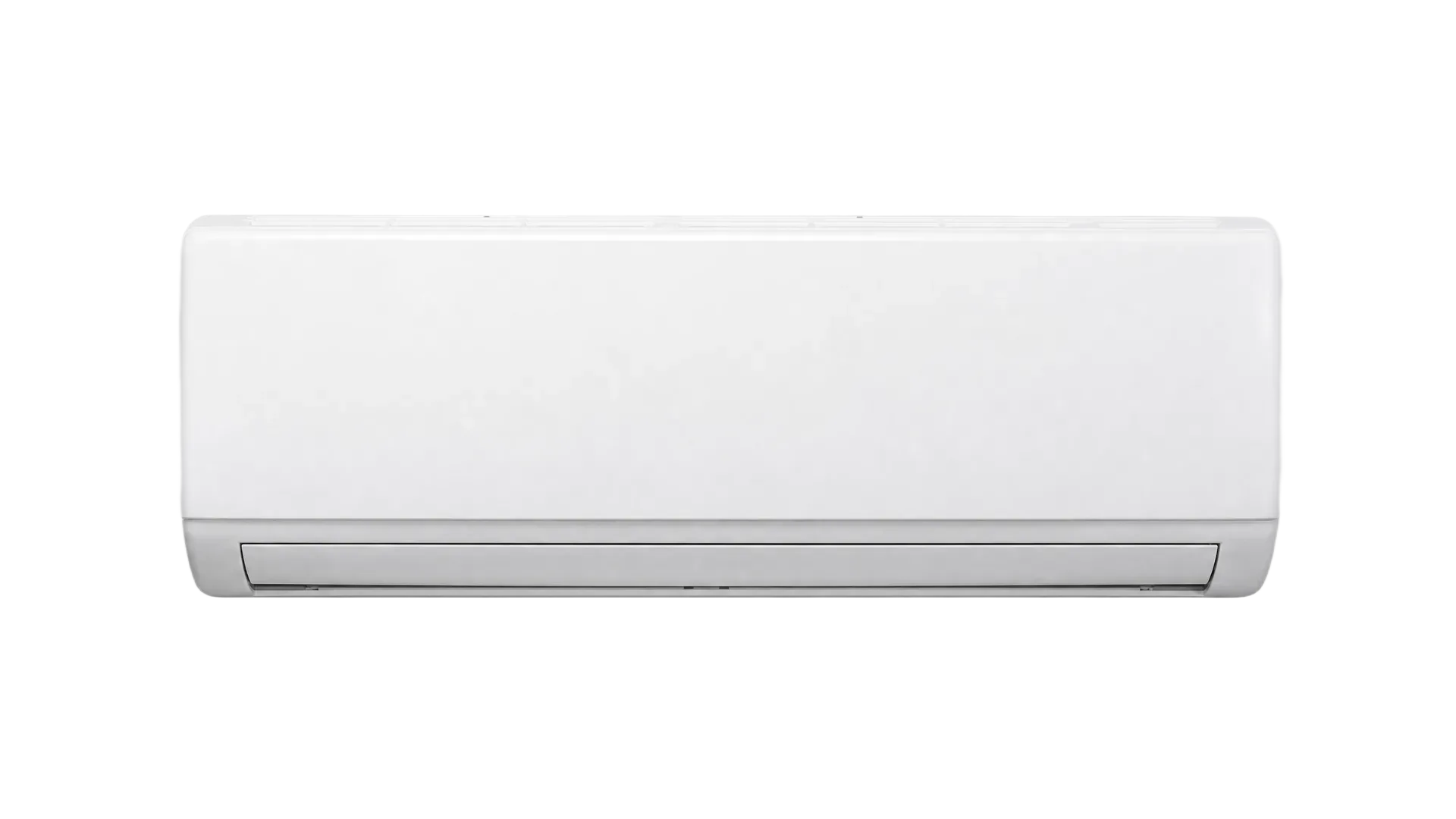
A white wall-mounted mini-split air conditioner indoor unit centered against a plain light gray background.
Get my match

A mini split tune-up covers the same ground whether the system is cooling your house in July or heating it in January, because in New York most of these units run both directions. A contractor cleans the indoor coil and blower wheel, rinses the outdoor condenser coil, checks refrigerant charge, clears the condensate drain, and tightens electrical connections. On the heating side, they check how the unit handles defrost cycles, since a mini split used as your main heat source can ice over outside in cold weather if that cycle isn't working right. A dirty coil or a weak charge makes the system work harder to hit the same temperature, and with power costs what they are here, that shows up on your bill before it shows up as a breakdown. Catching it ahead of the season it matters most means one visit instead of an emergency call when you need the system working.

A woman with long gray hair wrapped in a checked blanket sits on a sofa by a window with yellow autumn foliage outside, with a lamp, framed picture and plant in the background.
An older woman in a cream knit sweater sits on a sofa by a window, looking out at sunlit trees with yellow and orange autumn leaves, with a bookshelf and lamp behind her.
A woman with gray shoulder-length hair in a dark knit sweater sits on a cushioned seat by a window, looking out at yellow autumn foliage, with a living room, armchair, houseplant and framed picture behind her.
An older woman with gray hair in a bun, wearing a cream knit sweater, sits on a sofa with a gray blanket and looks out a large window toward yellow-green autumn trees, with a lit table lamp and dark armchair behind her.

Start inside. The front panel comes off and the filters get washed, since a clogged filter is usually why a mini split stops keeping up with a muggy New York summer. Behind the filters is the indoor coil, combed clean so it keeps pulling heat out of the air without icing over. The blower wheel builds up a gray film that throws air out unevenly, so it gets scrubbed by hand, not just rinsed. Outside, the condenser fan and the coil fins get hosed down to clear out whatever blew in from spring through fall, pollen, cut grass, grit off the street. The refrigerant lines get checked too. Oil residue along a fitting usually means a slow leak, and a unit running low on charge will still turn on, it just won't heat the room once it's actually cold out. Last is the condensate drain and pan. If that line is blocked, water backs up into the indoor unit and ends up on the wall or floor underneath it instead of draining outside where it belongs.

What a tune-up actually covers

  • The contractor pulls the front panel off the indoor head and washes the filters, since a clogged filter is the main reason a mini split stops dehumidifying right in a sticky New York summer.
  • Behind the filters sits the indoor coil, and that gets combed clean of dust so the unit can still pull heat out of the air without icing up.
  • The blower wheel collects a gray film over time that throws air out unevenly, so it gets scrubbed by hand rather than just hosed off.
  • Outside, the condenser fan and coil fins get rinsed to clear out the pollen and grit that built up from spring through fall.
  • The refrigerant line set gets checked for the oil residue that shows up at a slow leak, since a mini split low on charge will still run but won't heat well once it's cold enough to need it.
  • The condensate drain line and pan get cleared, because a blocked drain backs up into the indoor unit and drips onto the wall or floor below it.
A woman in a cream knit sweater sits in an armchair with her eyes closed near a window showing yellow autumn foliage, with a mug on a round wooden side table beside her.
A gray-haired man with a beard in a blue button-placket shirt reclines on a couch with his eyes closed, beside a sunlit window with a green plant.

Running it both directions

Your mini split doesn't get a break between seasons the way a furnace does. It's cooling the house in July and heating it in January, which means the compressor and both coils are working twelve months out of twelve, not six. A system that only runs half the year can skate by on a dirty coil or a weak capacitor for a while. One that runs year round can't, because there's no off season for it to coast through before someone notices the house isn't comfortable.
What the outdoor unit faces

The outdoor unit sits outside through everything New York throws at it, including winter, if yours heats as well as cools. Leaves, pollen and road grit build up on the condenser fins, and the fan has to pull air through that buildup to shed heat in summer or pull heat in winter. A contractor checks the fan motor, clears debris from around the unit, and confirms the refrigerant lines are intact, since a damaged line affects both heating and cooling, not just one.

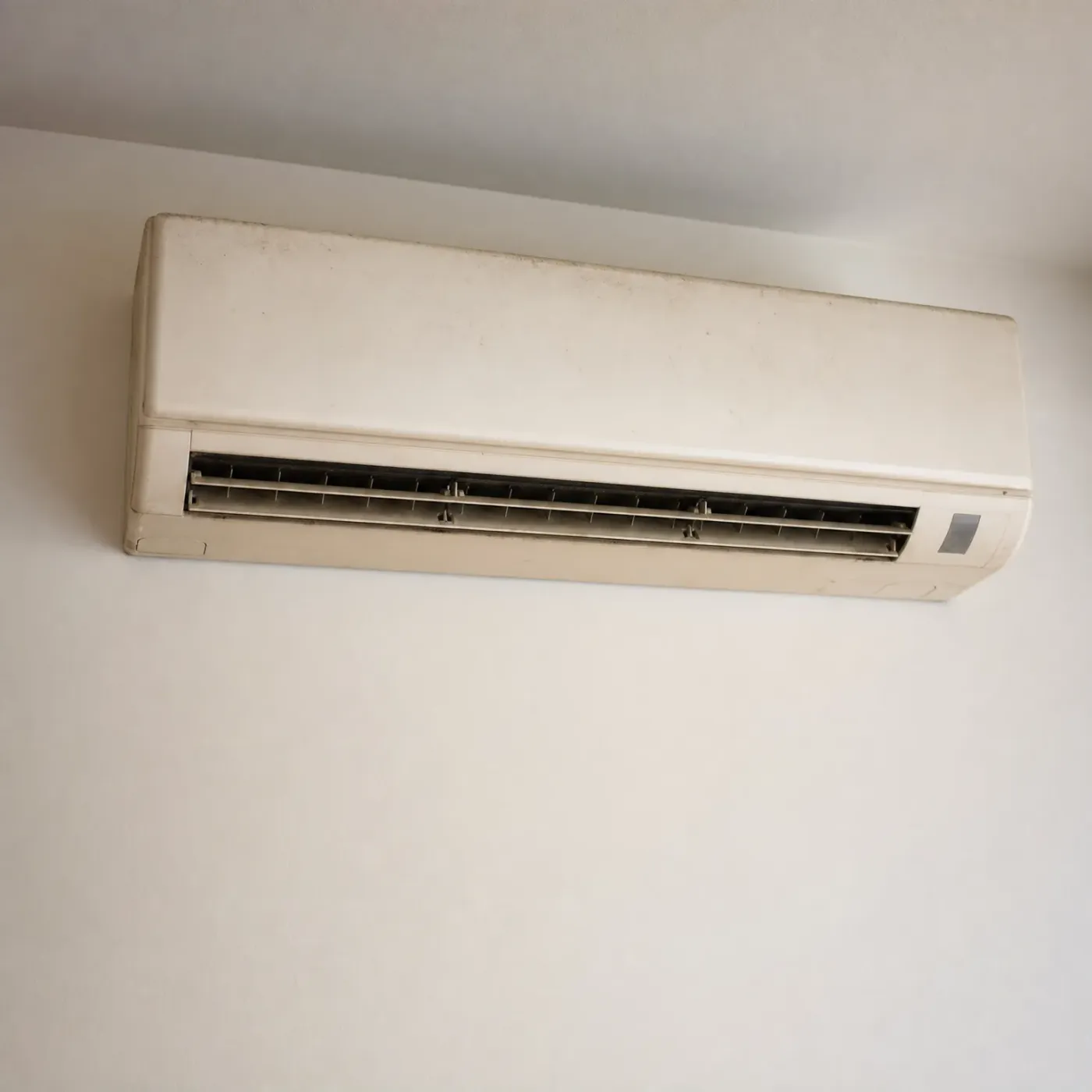
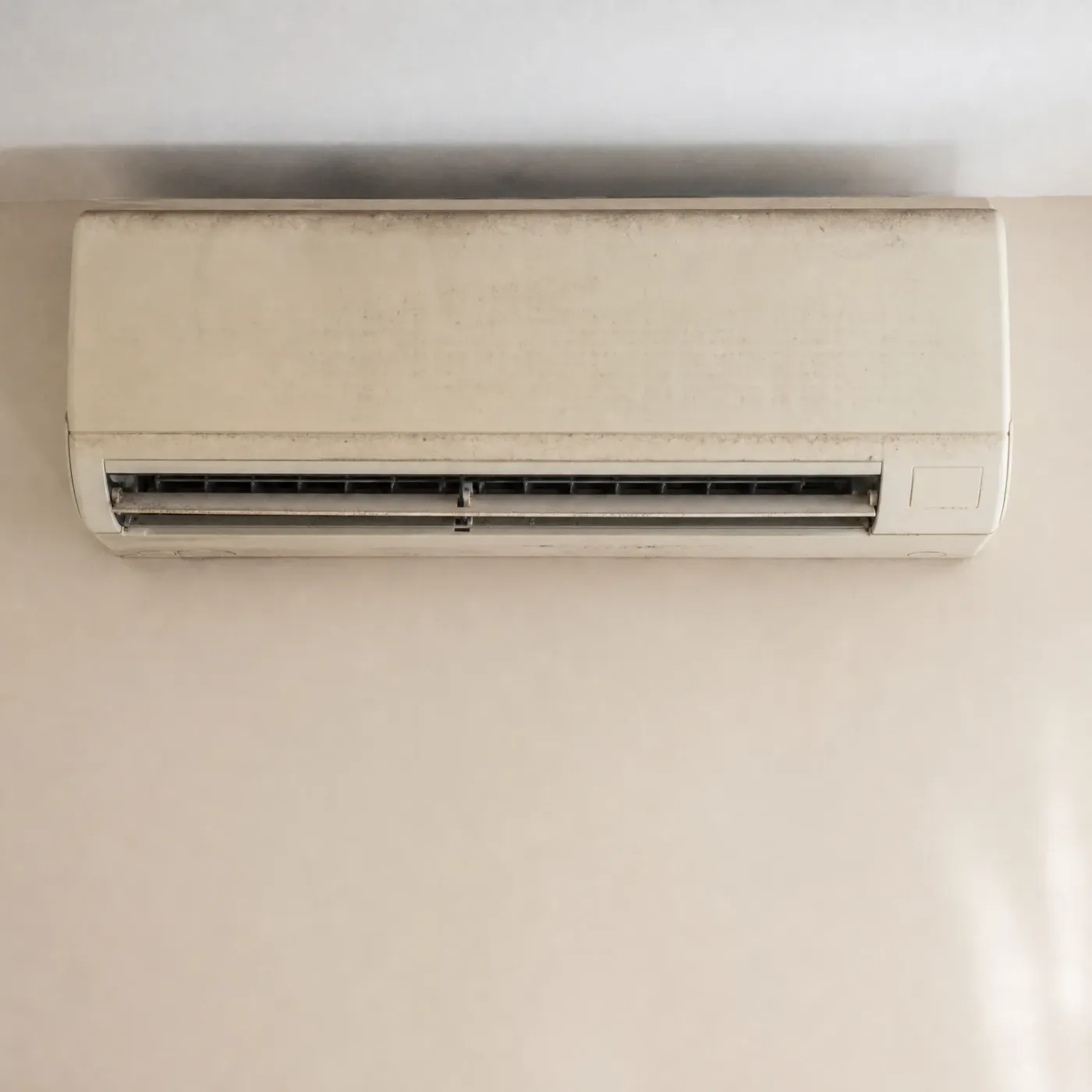
A dusty, discolored wall-mounted mini-split air conditioner unit near the ceiling of a plain beige interior wall.
Before you get your mini split maintenance
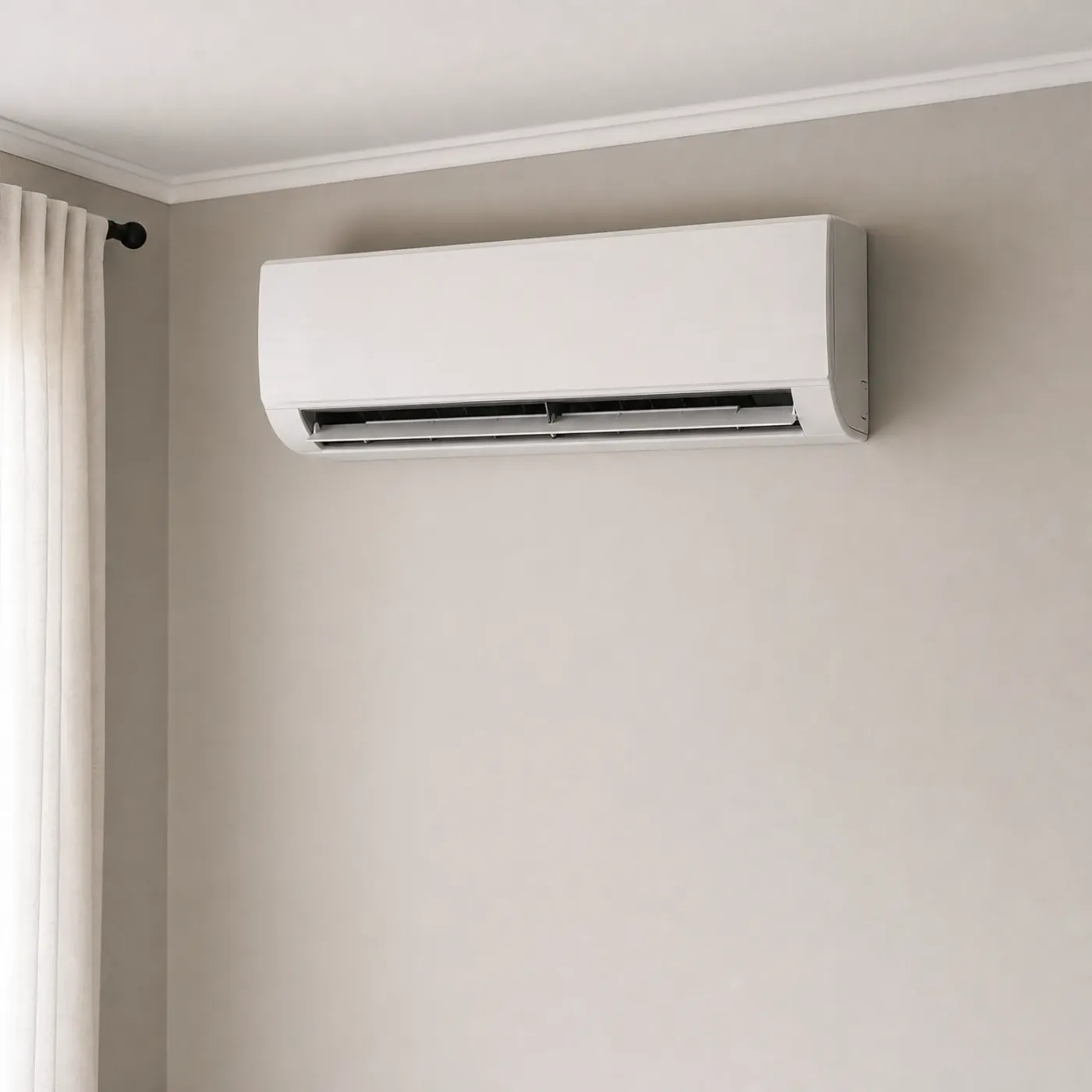
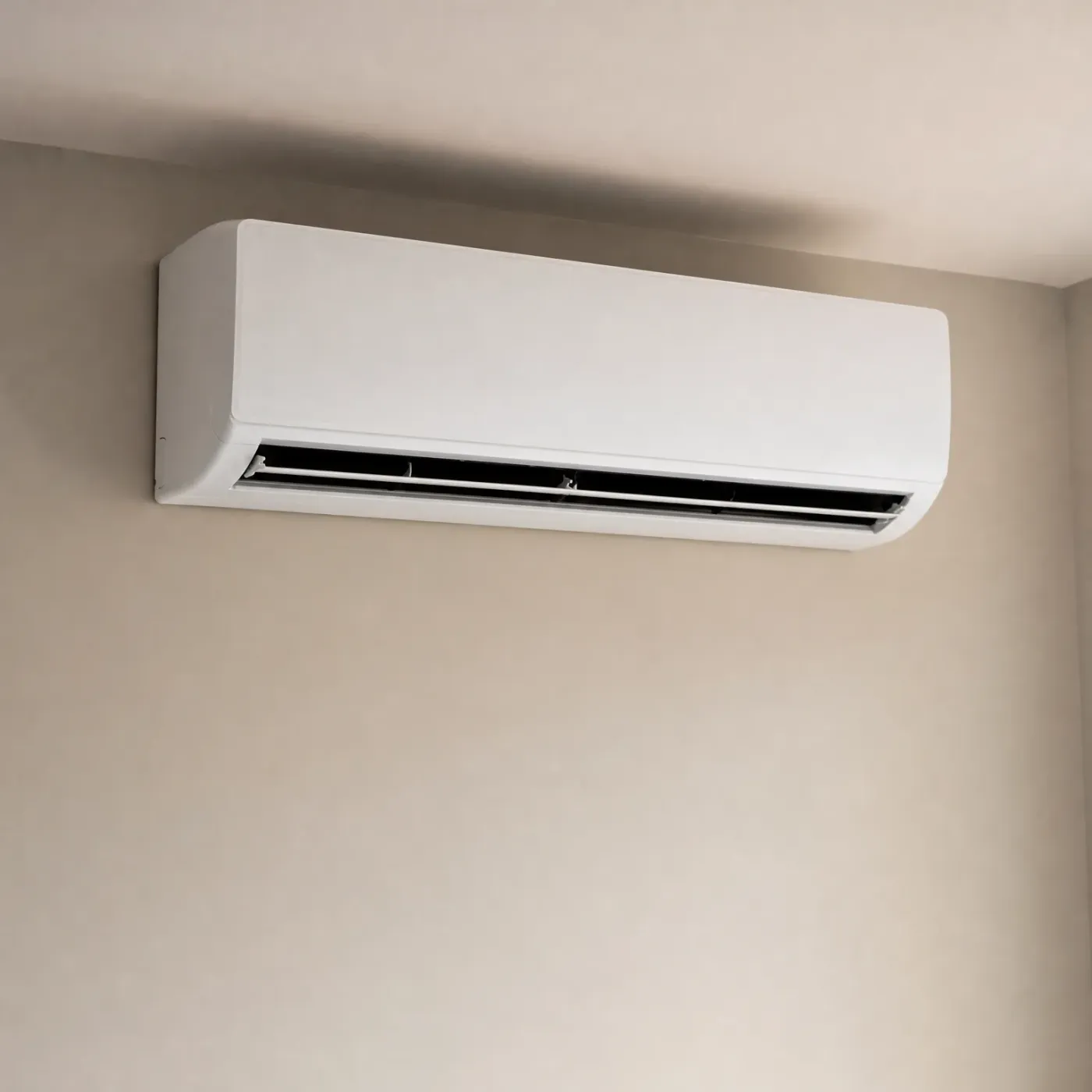
A white wall-mounted mini-split air conditioner installed near the ceiling on a plain beige interior wall.
After you get your mini split maintenance

Get your mini split to the right pro

Skip calling around to set up a mini split tune-up.

No charge to send it. You decide if you hire them.

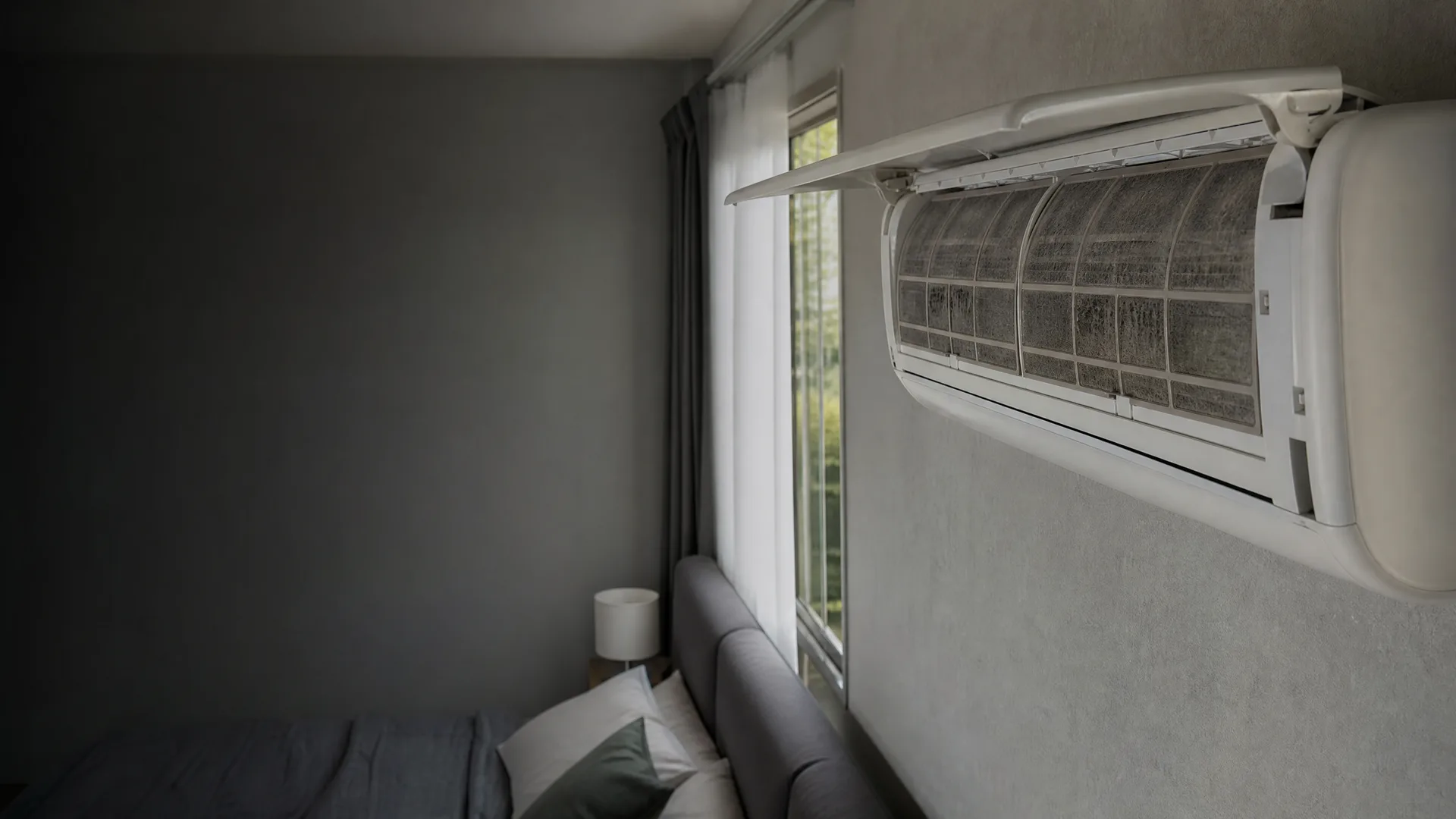
Interior room corner with a wall-mounted mini-split air conditioner, its front panel open to expose dusty coils, beside a curtained window and a gray sofa with pillows.

You pull the cover off the indoor unit to vacuum the dust off the top, the way you do every spring before the heat sets in. Behind it, the filter screen is grey and matted, soft with lint when you touch it. Sun's coming in low through the bedroom blinds, that late afternoon light. You know what a filter like this means for July, when the air outside turns heavy and this unit is the only thing standing between you and a room that won't dry out. You set it in the sink to rinse, already thinking about whether the coil behind it looks the same way.

What does the contractor actually check during a mini split tune-up?

You want to know what's actually happening during the visit, not just that a contractor shows up and leaves an invoice. With a mini split running both heating and cooling in a New York home, it helps to know what gets inspected versus what gets cleaned, since those are different jobs with different consequences if skipped.

A contractor checks the refrigerant line, the drain, and the electrical connections

Beyond cleaning, the contractor checks the refrigerant line set for any sign of a leak, since a mini split that's low on refrigerant will run constantly without cooling or heating the room right. The condensate drain line gets checked too, because that line can grow algae or get blocked, and when it backs up it drips out of the indoor unit onto your wall or floor. The contractor also checks the electrical connections at the outdoor unit and tightens any that have loosened, since a loose connection is what burns out a compressor over time. Each of these takes a few minutes, but skipping them is how a small problem turns into a system that needs replacing.

A white wall-mounted mini-split air conditioner installed high on a beige interior wall near the ceiling molding, with a light curtain and curtain rod at the left edge.
A clean filter and a clear coil let the unit pull the sticky air down to where it feels dry, without the compressor running longer than it should.
A wall-mounted mini-split air conditioner indoor unit with a discolored cream plastic casing and dusty outlet vanes, installed high on a plain light-colored interior wall near the ceiling.
A yellowed casing like this one usually means the filter and coil behind it haven't been touched in a while, and the unit is working harder to keep up.

Power costs 26.39 cents per kilowatt-hour statewide

At 26.39 cents per kilowatt-hour, a mini split that's working harder than it should shows up fast on your bill. A dirty coil or clogged filter makes the compressor run longer to hit the same temperature, and in New York that extra runtime costs more than it would almost anywhere else.

EIA-861 2025 statewide residential average

A woman stands in the open black front door of a white-sided house with a dark shingled roof while a man in a navy jacket approaches along the walkway, with lantern wall lights, a potted shrub, and flowering garden beds nearby.

A tune-up covers the coil, the filter, and the refrigerant charge

That's what a contractor is there to check, whether your mini split is running in July or January. Clean filters and a clear coil let it pull moisture out of the air without the compressor working overtime, and a charge that's right keeps it that way through both ends of the year. None of that shows up by looking at the unit from across the room. It takes someone taking the panel off and checking.

Finding that contractor is usually the slow part. Calling around, explaining the same thing about your unit three or four times, waiting on quotes that don't say much. Answer a few questions here and a contractor who works on mini splits in your area will reach out to you directly, already knowing what you need looked at.

A wooden table holding a stone vase with a bare branch, two stacked books and a small dark bowl, beside a window with green foliage outside and a sofa in the dim background.
A dimly lit room with a dark gray wall holding a white wall-mounted mini-split air conditioner near the ceiling, with a sofa, table lamp, potted plant, and curtained window at left.

The right pro for this job

One form instead of hunting for a pro who does mini split tune-ups.

Step 1 of 3: Equipment