






What size mini split a New York home needs

Send it once and finding someone is no longer on you.

Let a pro reach out

There's no single size that fits every home, and that's really the answer. A mini split is sized to the room it conditions, not to your house as a whole or some rule of thumb. A contractor figures this out with a load calculation that looks at the square footage of the room, how many windows it has, which way they face, how well the room is insulated, and even the height of the ceiling. Two rooms of the same size can need different units if one gets afternoon sun and the other doesn't. Get the size wrong and you'll know it. Too small, and it runs constantly through a sticky New York summer without pulling the humidity down. Too large, and it cools the air fast but shuts off before it dehumidifies, leaving the room cold and damp. The only way to get the right number for your space is to have someone qualified measure the room and calculate it.

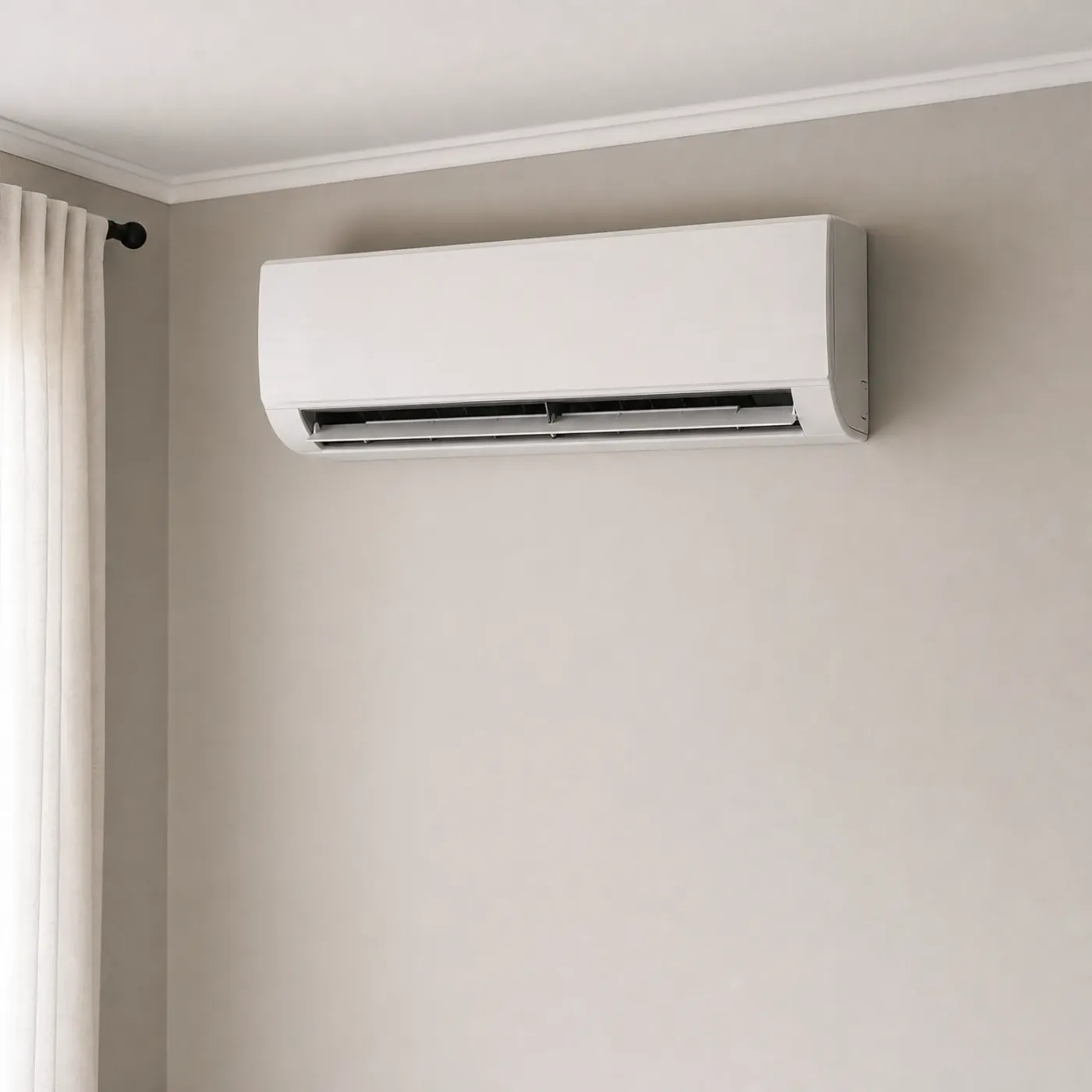
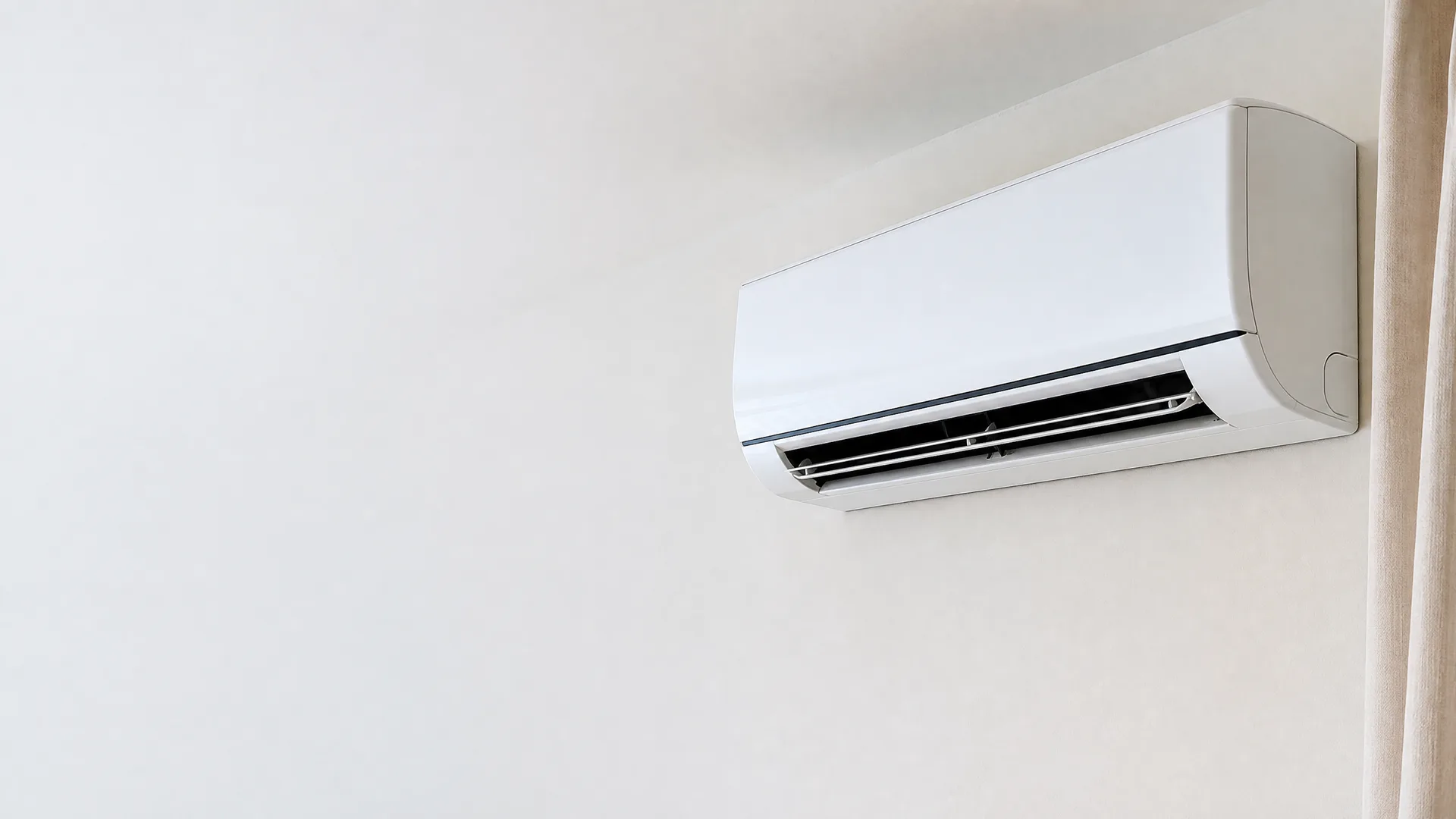
A white wall-mounted mini-split air conditioner unit installed high on a plain beige wall near the ceiling, with empty wall space to the right.

Why square footage alone is wrong

A contractor doing this right measures the room, then adjusts for what the square footage can't tell you. A west-facing room with two windows picks up heat all afternoon. A room over an unheated garage loses it fast in January. Ceiling height changes the volume of air being cooled. Two rooms the same size in the same house can need two different sized heads, and that's normal.

A white wall-mounted mini-split air conditioner indoor unit on a plain light-colored wall, with a beige curtain at the right edge of the frame.

What an oversized unit costs you

A mini split that's too big for the room cools it fast, then shuts off before it pulls the moisture out of the air. With summers here as sticky as they get, that leaves a room that reads cold on the thermostat but still feels damp. It also cycles on and off more, which wears the compressor faster than running a properly sized unit through a longer, steadier cycle.

How does a contractor actually calculate what size I need?

You want to know what actually happens when someone comes to size your mini split, not just that it gets done. You've read that it's not a simple square footage formula, and now you're wondering what the contractor is doing instead. Is it a tape measure and a guess, or something more exact? Before you let someone install anything, you want to know the method has real steps behind it, not just experience and a feel for the room.

It's a room by room heat load calculation, called a Manual J

A contractor measures the room's dimensions, then counts the windows and notes which way they face. North-facing glass loses heat in January; south and west glass gains it in August. The ceiling height matters, so does what's on the other side of each wall, another room, the outdoors, or an unheated space like a garage or attic. All of that gets run through a Manual J calculation, the same standard used for central systems, which turns those details into a number of BTUs the room actually needs. That number is what decides the unit size, not the square footage alone. A contractor who skips this and sizes off a chart is guessing. Get it wrong and the unit either short cycles because it's oversized, or runs constantly and never quite catches up because it's too small.

A man with grey hair and stubble in a dark sweater sits on a grey sofa indoors, looking off to the side, with a potted plant and a sunlit window behind him.
A man with gray hair, a beard and glasses, wearing a dark green sweater, sits on a gray sofa in a sunlit living room with a potted plant, table lamp and wooden sideboard behind him.
A middle-aged man with graying hair and a short beard sits on a blue sofa in a living room, looking toward a window, with a bookshelf, lamp and framed picture in the background.
A man with graying curly hair and a dark green sweater sits on a gray sofa in a sunlit living room, looking off to the side, with a framed picture, shelving, an armchair and a window with sheer curtains behind him.

Let someone else find the pro

One installer gets your project, so there's no bidding war over it.

No charge to send it. You decide if you hire them.

One room needs cooling

A single-zone mini split covers one room: the bedroom that never cools down, the addition with no ductwork, the attic office that bakes by July. The contractor matches the unit to that room's load and mounts it where it'll actually reach every corner. It's a smaller job with a smaller price tag, and it solves the one problem you called about. Most New York homes that just need relief in a single room go this route. The tradeoff is that it won't do anything for the rest of the house. If the room next door runs on the same old baseboard heat or window unit, that doesn't change.


Several rooms need it

A multi-zone system runs one outdoor unit to two, three, or more indoor heads, each sized and controlled separately. That fits a lot of New York homes where the upstairs bedrooms get unbearable in August but the gas furnace already handles the rest of the house fine for heat. You're not conditioning the whole place, just the rooms that need it, and each zone can run on its own schedule. It costs more upfront than a single zone and the sizing gets more involved, since the contractor has to balance the outdoor unit's capacity across every indoor head. Get it wrong and one room runs weak while another runs fine.

A woman with shoulder-length brown hair wearing a beige knit cardigan sits in a gray upholstered armchair near a window, looking off to the side with a slight smile, with bookshelves blurred in the background.
A woman and a sleeping child wrapped together in a cream knitted blanket on a couch, with a potted plant, framed photo and lit lamp in the background.
A white wall-mounted mini-split air conditioner installed high on a beige interior wall near the ceiling molding, with a light curtain and curtain rod at the left edge.

Sized right

A mini split sized to the room keeps up without strain. It cools fast on the worst August afternoon and holds steady the rest of the day. The compressor cycles on and off the way it's supposed to, and the room stays even from corner to corner.

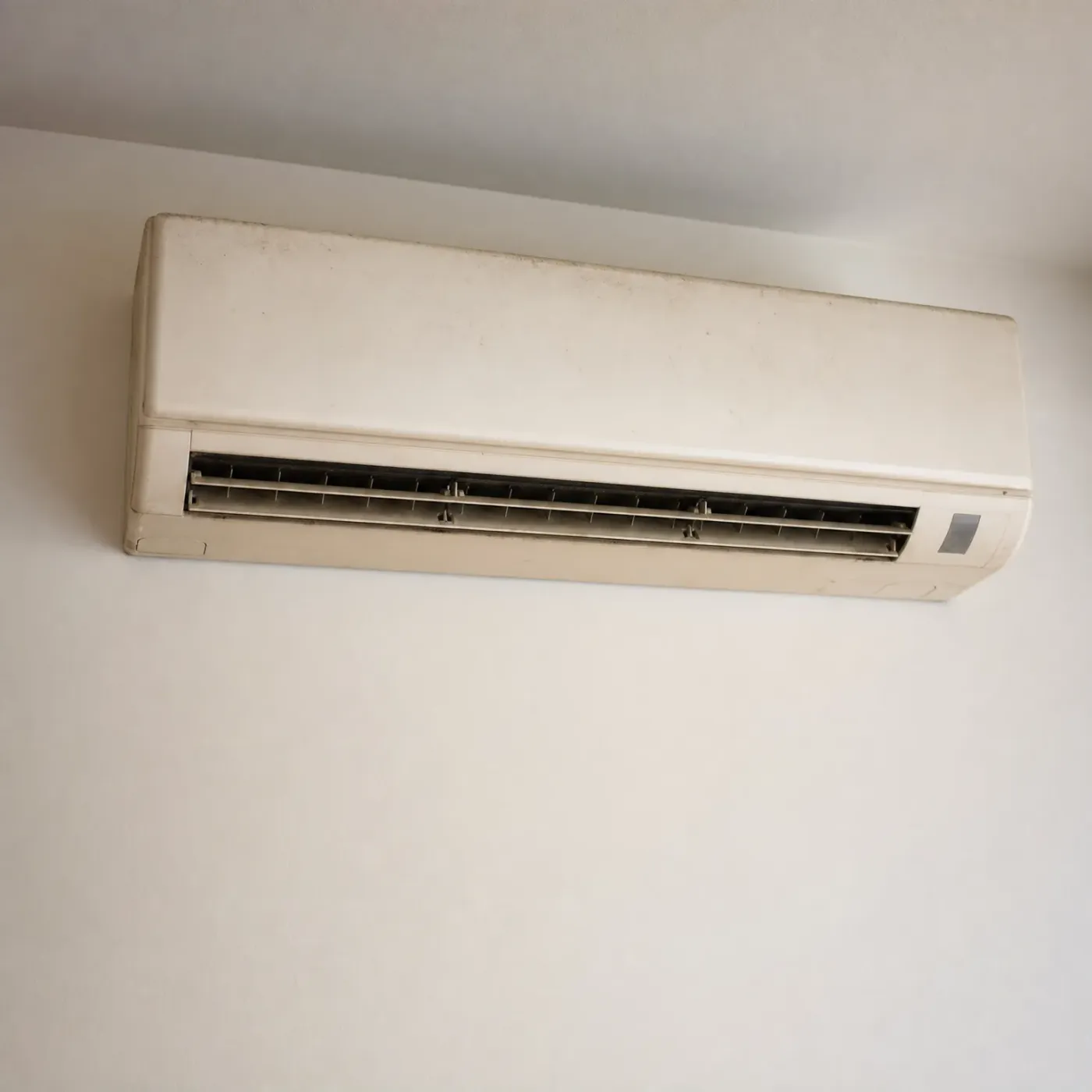
A wall-mounted mini-split air conditioner indoor unit with a discolored cream plastic casing and dusty outlet vanes, installed high on a plain light-colored interior wall near the ceiling.

Sized wrong

An undersized or oversized unit shows its age fast. It runs long stretches trying to catch up, or it short cycles and leaves the room clammy even when the air feels cool. Either way the casing yellows early and the electric bill climbs with it.

Why does one room never feel right?

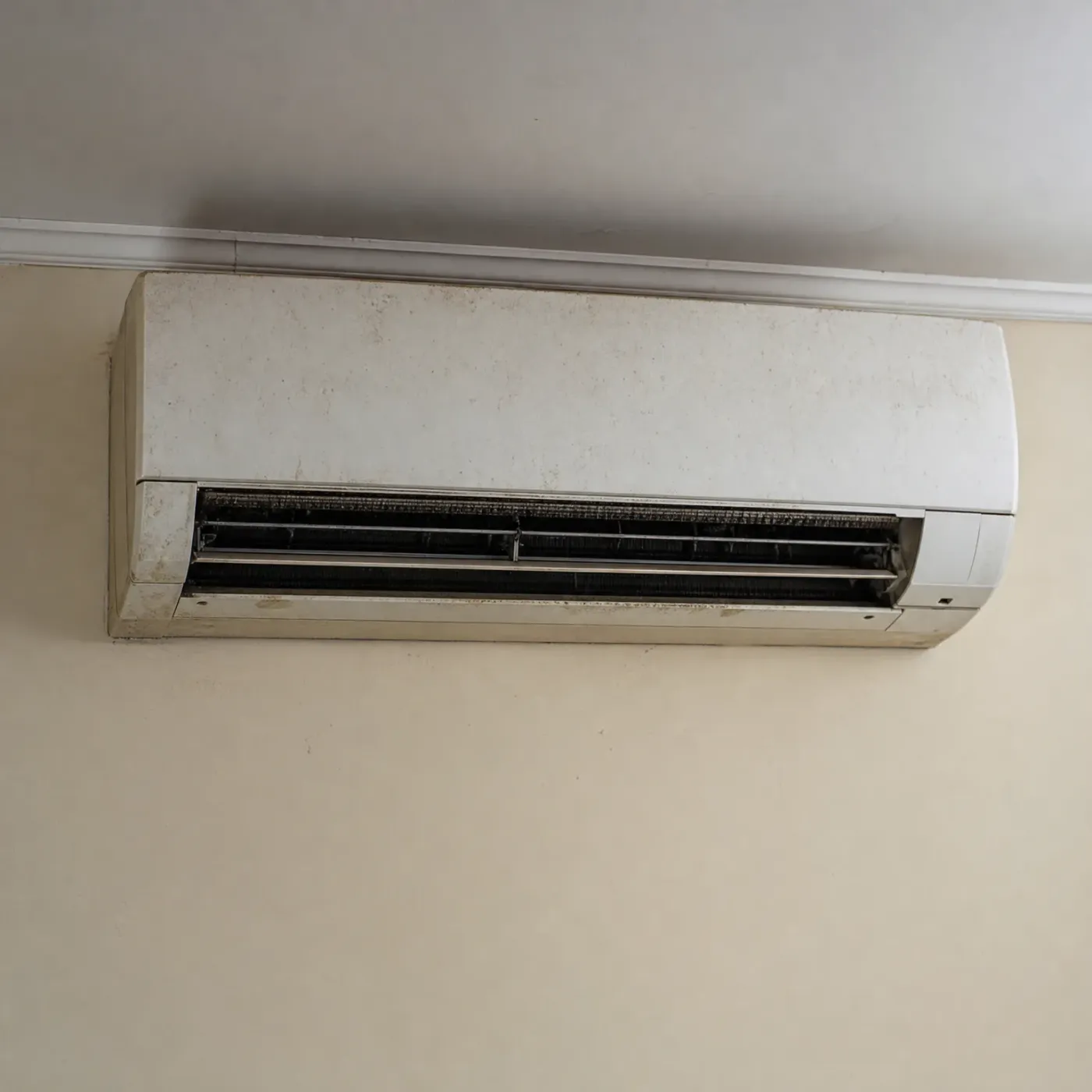
Maybe the mini split in your living room runs and runs on a July afternoon and the room still feels thick. Maybe the bedroom unit shuts off fast, then kicks back on a few minutes later, all night. Maybe you notice the wall by the indoor unit sweats a little, or the room three feet from it stays warm while the air right under the unit feels cold. These are signs the unit doesn't match the room: too small and it can't keep up on the hottest days, too big and it cools the air before it pulls the damp out, so the room feels clammy even with the unit blowing. Left alone, that mismatch means higher bills and a unit working harder than it should for years.

A dusty white wall-mounted mini-split air conditioner installed high on a beige interior wall below a molded ceiling trim.
Before you get your mini split installation
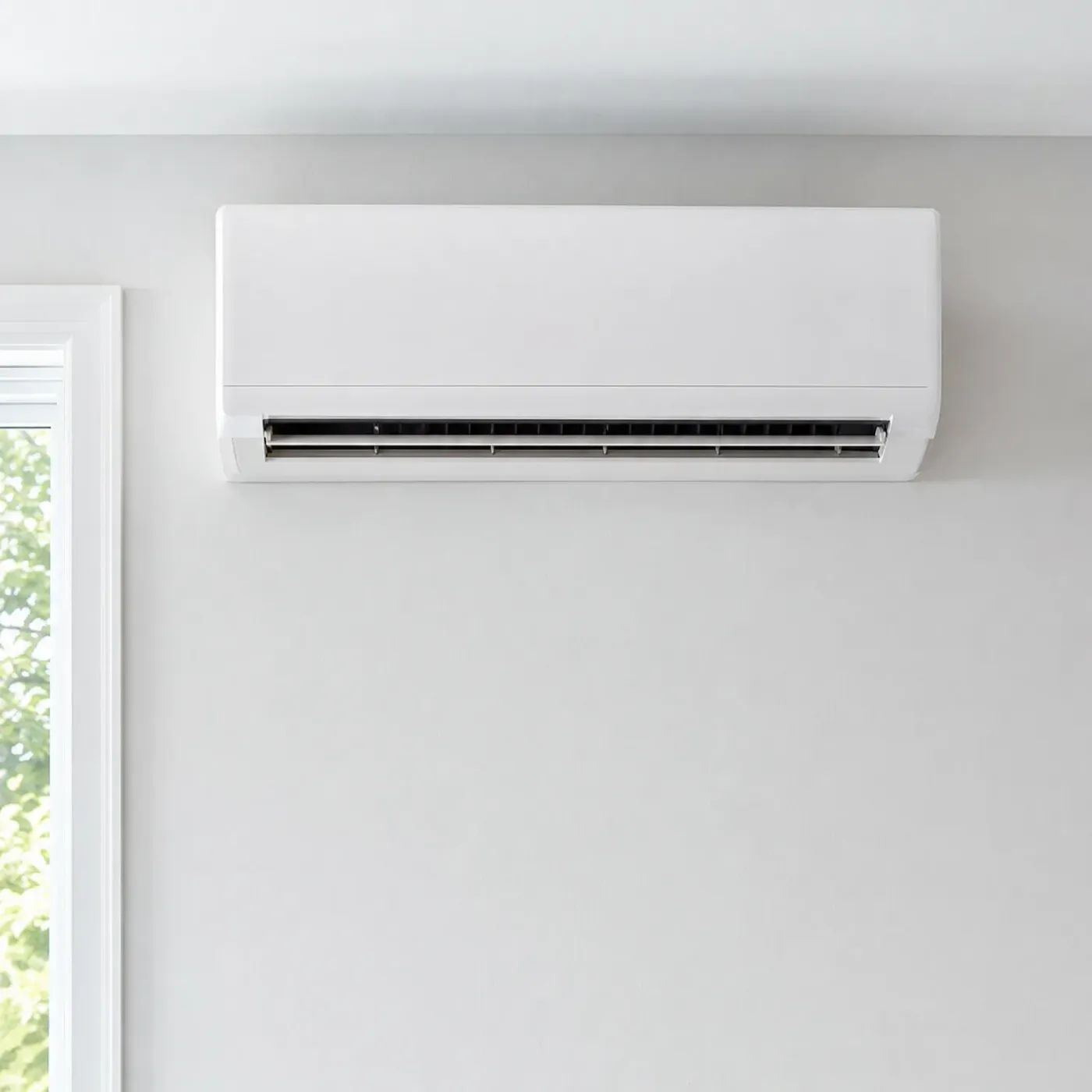
A white wall-mounted mini-split air conditioner unit installed high on a light gray interior wall near the ceiling, with a white-framed window and green foliage visible at the left edge.
After you get your mini split installation

Power costs 26.39 cents per kilowatt-hour statewide

At 26.39 cents per kilowatt-hour, an oversized mini split in your home doesn't just cool poorly, it costs you for every hour it short-cycles. Getting the size right the first time matters more here than in states where power is cheap.

EIA-861 2025 statewide residential average

The size question, answered

  • The right size comes from a load calculation on each room, not a square footage chart or a guess.
  • A unit sized correctly cools evenly, holds steady through a muggy afternoon, and doesn't run up your power bill short-cycling.
  • Getting this right the first time matters more here, where electricity runs 26.39 cents per kilowatt-hour.
  • A licensed local contractor who installs these units every summer knows which rooms run hot and why.
  • Your request goes to one contractor, not a handful competing for the job, so you deal with a single name from the start.

A mini split is sized room by room, through a load calculation, not a chart that matches tonnage to square feet. That calculation is what decides whether the unit keeps up on the muggiest July afternoon or short-cycles all day without ever quite cooling the room. Get it wrong and you feel it twice: once in a room that's never comfortable, and again on the power bill, since New York charges among the highest electricity rates in the country for every hour that unit runs poorly. Get it right and the unit mounted in your home matches the room it's cooling, nothing more and nothing less, and it runs the way it was built to run.

This is the kind of job where who shows up matters. A contractor who installs mini splits in New York homes every summer has already seen the room like yours, the one over the garage, the one with afternoon sun through two windows, and knows what a load calculation on that room tends to turn up. That's local, practical knowledge, not a formula applied blind.

Your request goes to one contractor, licensed and local, not spread across several companies hoping to win the job. You get a single name to deal with, someone who already does this work in homes near you, instead of a round of calls to sort through on your own.

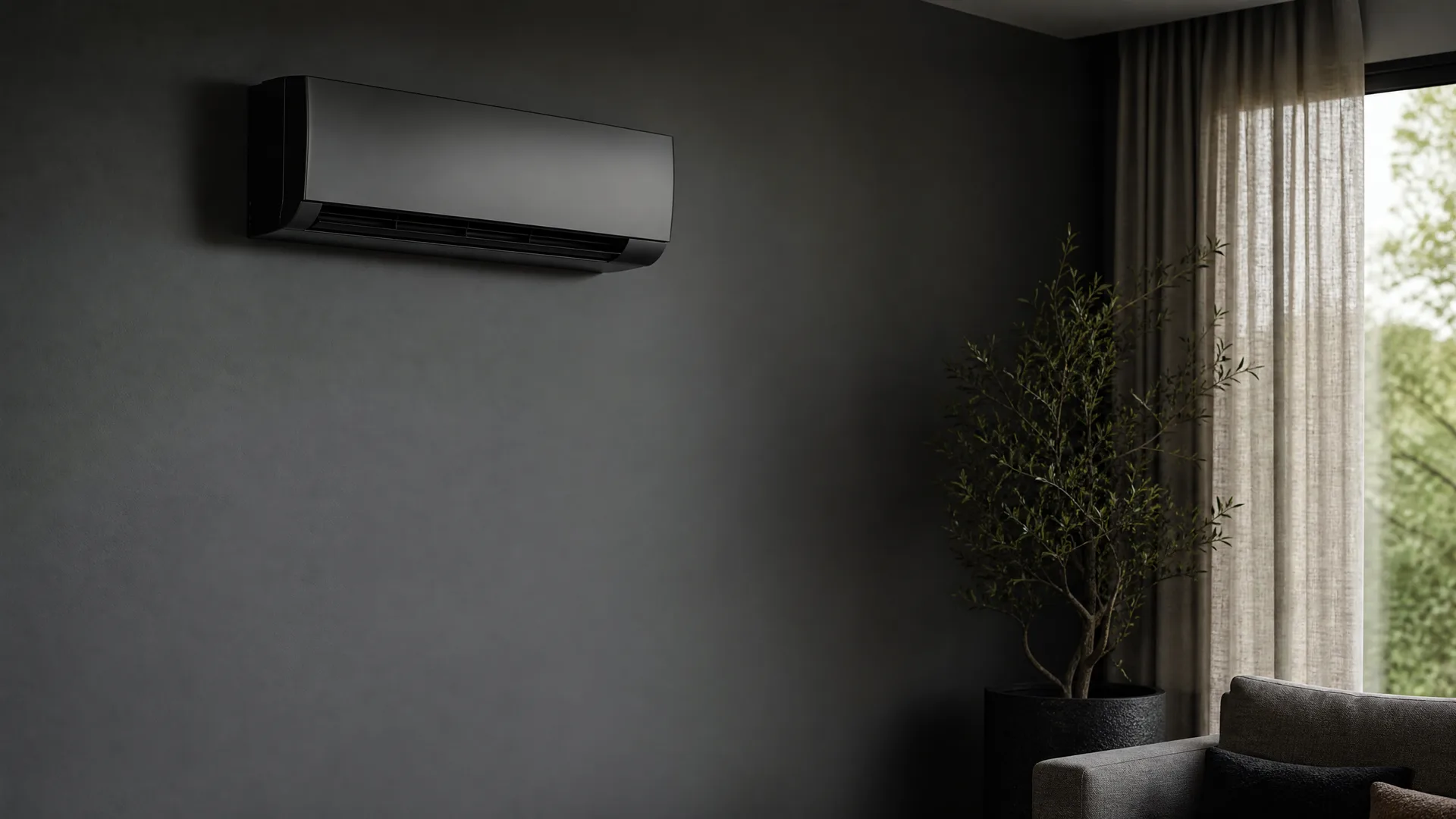
A dark wall-mounted mini-split air conditioner on a gray interior wall, with a potted olive-like tree, sheer curtains over a window showing green foliage, and a gray sofa in the lower right corner.

One request and it's handed off

Only one pro gets your request, so you hear from one company.

Step 1 of 3: Equipment