
Why your mini split blows cold air in New York
Why is my mini split blowing cold air when it's set to heat?
You set the mini split to heat and cold air is still coming out of the vent. In a New York winter that's not something to let ride. You want to know if this is a quick fix or the start of a bigger problem before it gets worse.
Usually a stuck reversing valve or a unit still in defrost
A mini split moves heat from outside air into your home by switching the direction refrigerant flows through a part called the reversing valve. If that valve sticks, the system keeps running in cooling mode no matter what the thermostat says. It can also happen for a few minutes while the outdoor unit clears frost off its coil, which is normal on cold days, but cold air that doesn't warm up after ten or fifteen minutes points to the valve itself or a control board telling it to stay put. With gas heat common across New York, a mini split acting like this often means the backup heat source is carrying the load instead, and your bill shows it.

New York summers run heavy. NOAA puts the average dew point at 62°F across June, July and August, which is the kind of air that sits on your skin and doesn't let go. A mini split has to pull more moisture out of air like that, and it runs longer to do it. Run it longer and the coil has more chances to pick up dirt and grime, which is one of the things that can leave it blowing air that isn't as cold as it should be, or in some cases cold air when you've switched it over to heat. If your mini split has been working harder than usual this summer, that's worth paying attention to before winter.
NASA POWER T2MDEW county cells weighted by homes
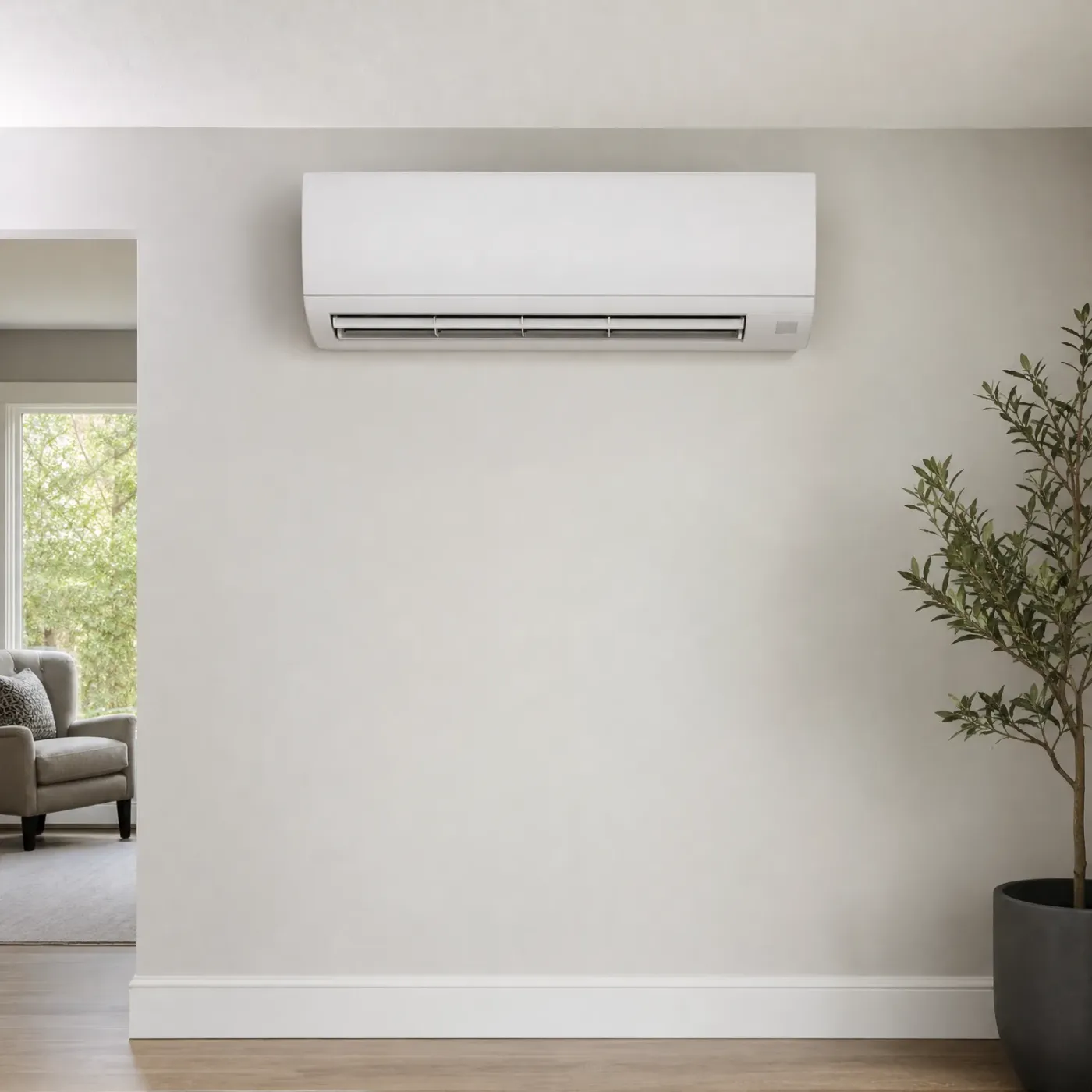
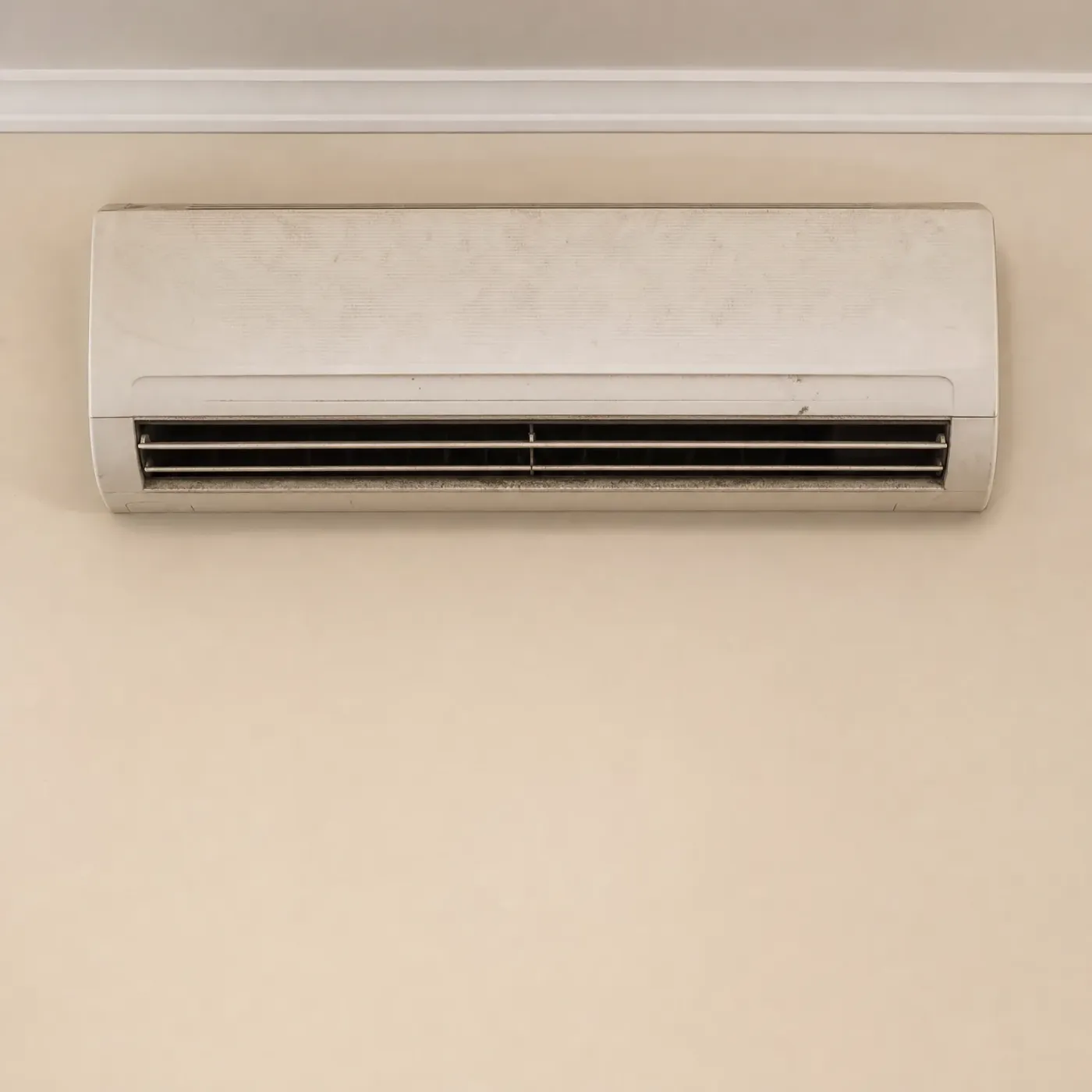
What you're probably noticing right now
The indoor unit kicks on, you hear the fan, and what comes out is room temperature or colder, not warm. Maybe it warms up for a minute, then drifts cold again. The outdoor unit might be caked in frost or ice, especially after a stretch of freezing nights. You might notice the system short cycling, shutting off and restarting more than it used to. Some homeowners hear a hiss or a knock from the lines that wasn't there before. If gas heat is the backup in your house, you might not feel it yet. But a mini split stuck blowing cold through a New York winter means higher electric bills while you wait, and a compressor that's working against a problem instead of around it.




A local pro for your mini split repair
Answer a few questions instead of calling shop after shop.
Say what's going on with your mini split, and a pro who works on them reaches out.
Sending the form costs nothing.
Call Now or Hold Off
Call it in now
- A contractor can check the refrigerant charge and the reversing valve before a cold snap leaves you with no heat at all.
- Catching a frosted outdoor unit early usually means clearing ice and fixing airflow, not replacing a coil that's cracked from the strain.
- A technician out now has time to actually diagnose the problem instead of rushing a patch job during a January cold spell.
- Fixing it while it's still just cold air, not zero heat, tends to be the simpler job because fewer parts have failed.
- You skip the stretch of running a gas backup or space heaters while you wait to see if the problem gets worse on its own.
Wait and see
- If the unit still switches to cool on command and only struggles in heat mode, you might get by a while longer.
- A reversing valve that's failing partway can sometimes limp along for weeks before it quits holding position entirely.
- Running it as is means watching your electric bill, since a mini split working harder to heat still draws power the whole time.
- Waiting risks the outdoor unit icing over repeatedly, which can strain the compressor more each time it happens.
- If New York hits a hard freeze before you've called anyone, you're left sorting through contractors and explaining the problem from scratch under pressure.

The thermostat tells the reversing valve to switch direction.
The valve routes hot refrigerant gas to the indoor coil.
A stuck or failing valve keeps sending it to the outdoor coil instead.
The indoor coil stays cold and the fan just blows that cold air.
A mini split set to heat should give you warm air within a few minutes. If it's still blowing cold, something in the system isn't switching over the way it should, whether that's the reversing valve, a low refrigerant charge, or a frosted outdoor unit choking off airflow. None of those get better on their own, and running it through a cold snap while it only blows cold wastes power you're already paying a lot for in New York. You could start calling around, explaining the symptoms to one contractor after another and lining up quotes to see who can get to you first. Or you can skip that and get matched with a contractor who handles mini splits and let them reach out to you directly. Either way the valve or the frost or the charge needs a real look. The part that doesn't need to take up your time is finding someone qualified to look at it.
Get the right pro for your mini split
Describe your mini split job once, to one pro.
You're not committing to anything by asking.