Why your mini split has ice on it in a New York winter
Send the request today and let a mini split pro reach out to you.
A mini split in a New York winter is supposed to be working for you, not freezing up on you. If the indoor coil or the outdoor unit has ice on it, something in the system isn't right, and running it like that can push you toward a bigger repair than the one you have now.
A mini split that's icing up in January or February is almost always a sign of something specific: low refrigerant, a blower that isn't moving enough air, or a defrost cycle that isn't kicking in the way it should outdoors. These aren't problems that clear up on their own once it gets cold enough to matter.
With gas heat common across New York homes, a lot of people lean on their mini split for one room, or for the shoulder months when the furnace feels like overkill. When it ices up, you lose that, and you end up heating more of the house with gas than you planned on, at a time when power here already costs more than almost anywhere else to run the system you do have.
Finding the right person for this isn't always simple. Mini splits aren't every HVAC contractor's specialty, and not everyone works on every brand. That usually means calls, questions about model numbers, and a wait to see who actually does this kind of repair and has time for it.
Send the details once, through the form on this page, and that search becomes someone else's job instead of yours. No explaining the problem over and over to different companies, no sorting through quotes to figure out who actually knows mini splits. Just the ice on your unit, and getting it looked at.
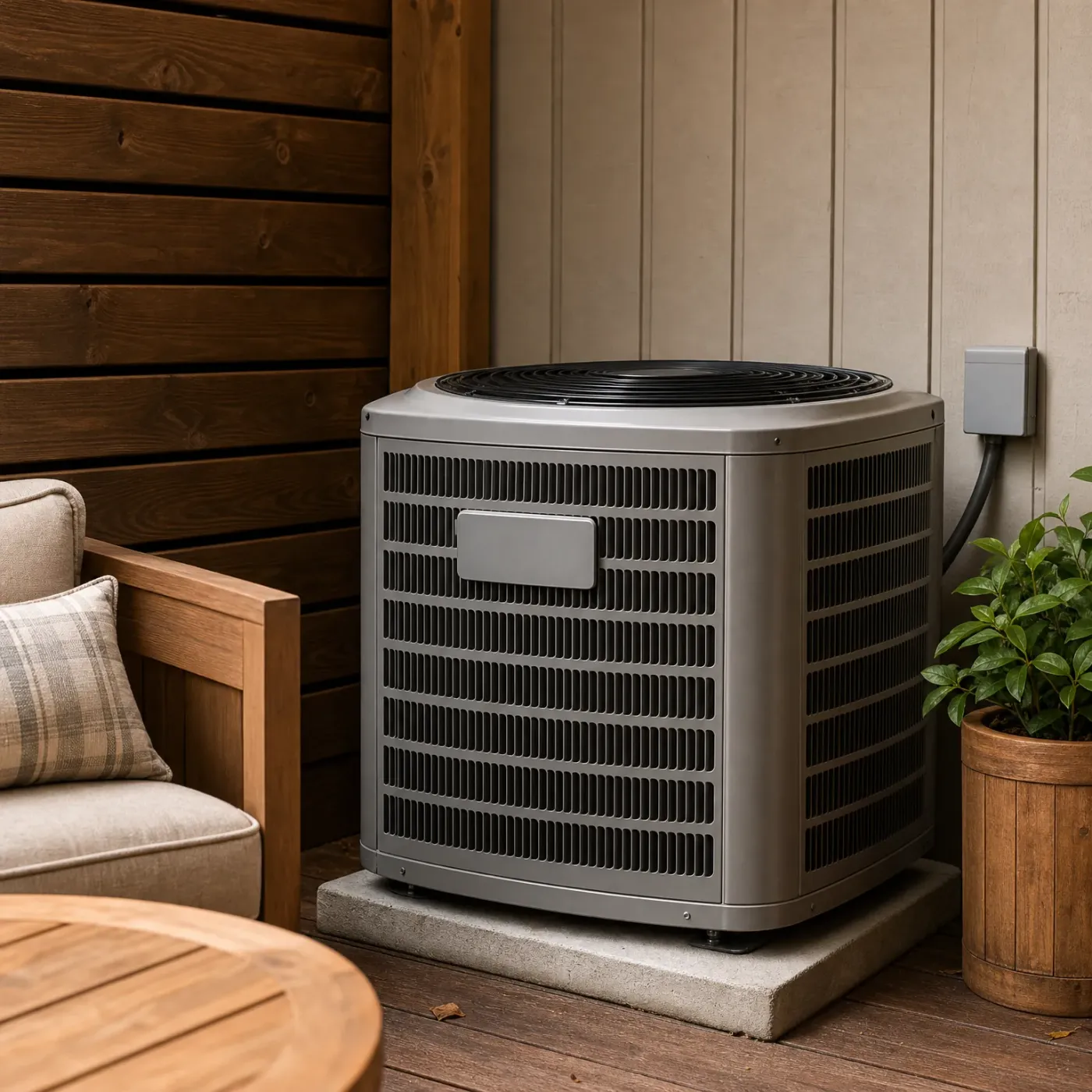
Ice on a mini split in winter usually means the outdoor unit can't finish its defrost cycle. Every heat pump builds frost on its outdoor coil when it's cold out, and it's supposed to melt that off automatically every so often by briefly reversing itself. In a New York winter, with real cold holding for weeks at a time, that cycle has to run often and run right. When it doesn't, frost turns to ice, and ice keeps building because the coil can't pull in the outdoor air it needs. A dirty outdoor coil, a low refrigerant charge, a stuck reversing valve, or a fan that isn't moving air the way it should can all stop the defrost cycle from doing its job. Once ice covers the coil, the system is working harder for less heat, and running it that way can strain the compressor. It's worth having someone look at it before the ice spreads or the unit stops heating altogether.
One form replaces the calls you'd make to find a mini split pro.
You only hire the pro if you want to.
A mini split run in defrost too long, or too often, because the refrigerant charge is low. The system senses it's cold and tries to clear ice that keeps coming back.
That's a repair, not something to wait out. Left alone through a New York winter, ice that keeps returning strains the compressor, and a compressor replacement costs far more than fixing the charge or the defrost control now.
Power costs 26.39 cents per kilowatt-hour statewide
At 26.39 cents per kilowatt-hour, every hour your mini split spends stuck in defrost instead of heating is an hour you're paying for lost output. A frozen outdoor unit working against ice costs you more to run and heats your home less while it does it.
EIA-861 2025 statewide residential average
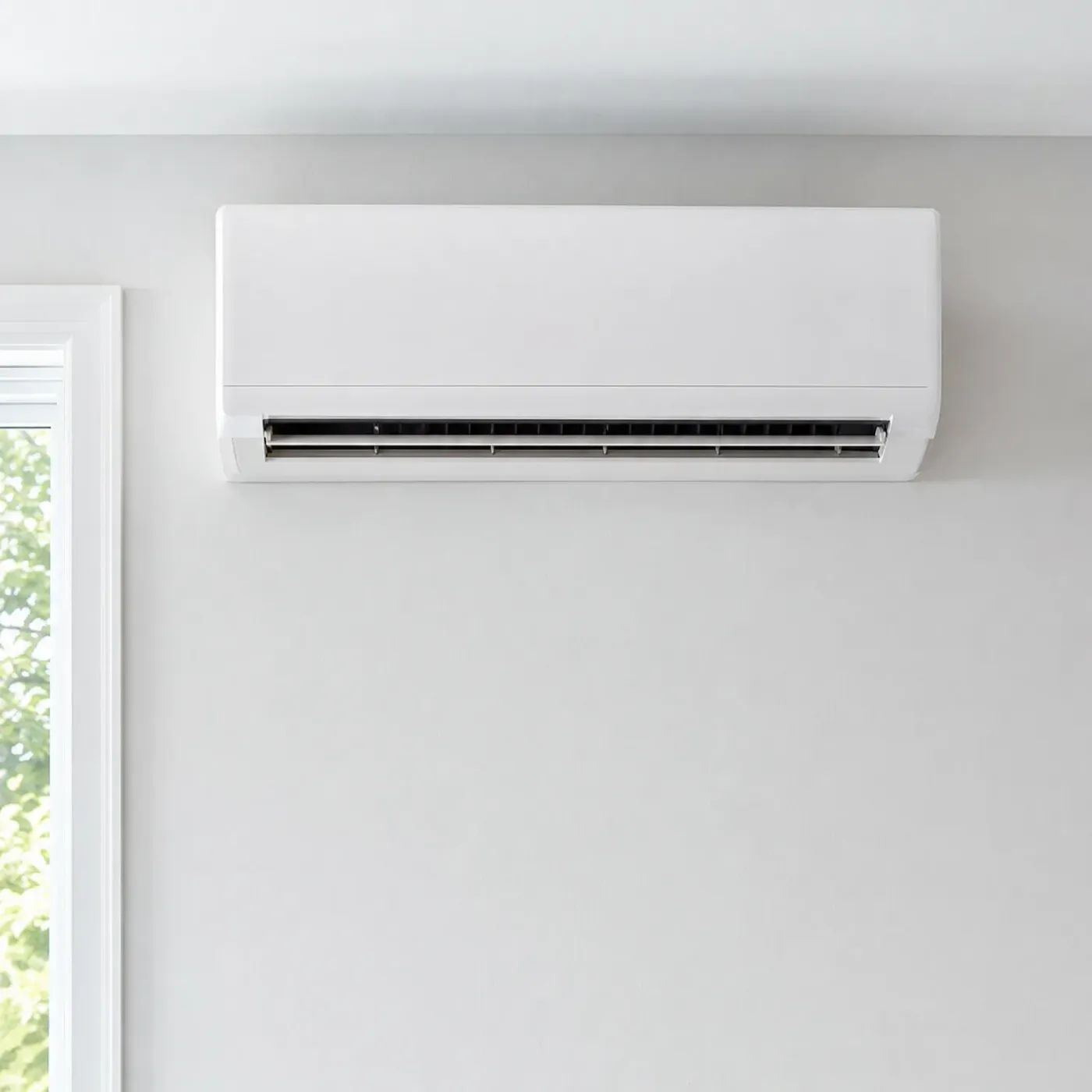
What it looks like when it's right
No frost anywhere on the cabinet. The fan turns freely, the coil behind the louvers stays clear, and warm air comes off the indoor head steadily. The outdoor unit cycles in and out of defrost so briefly you'd miss it if you were watching.
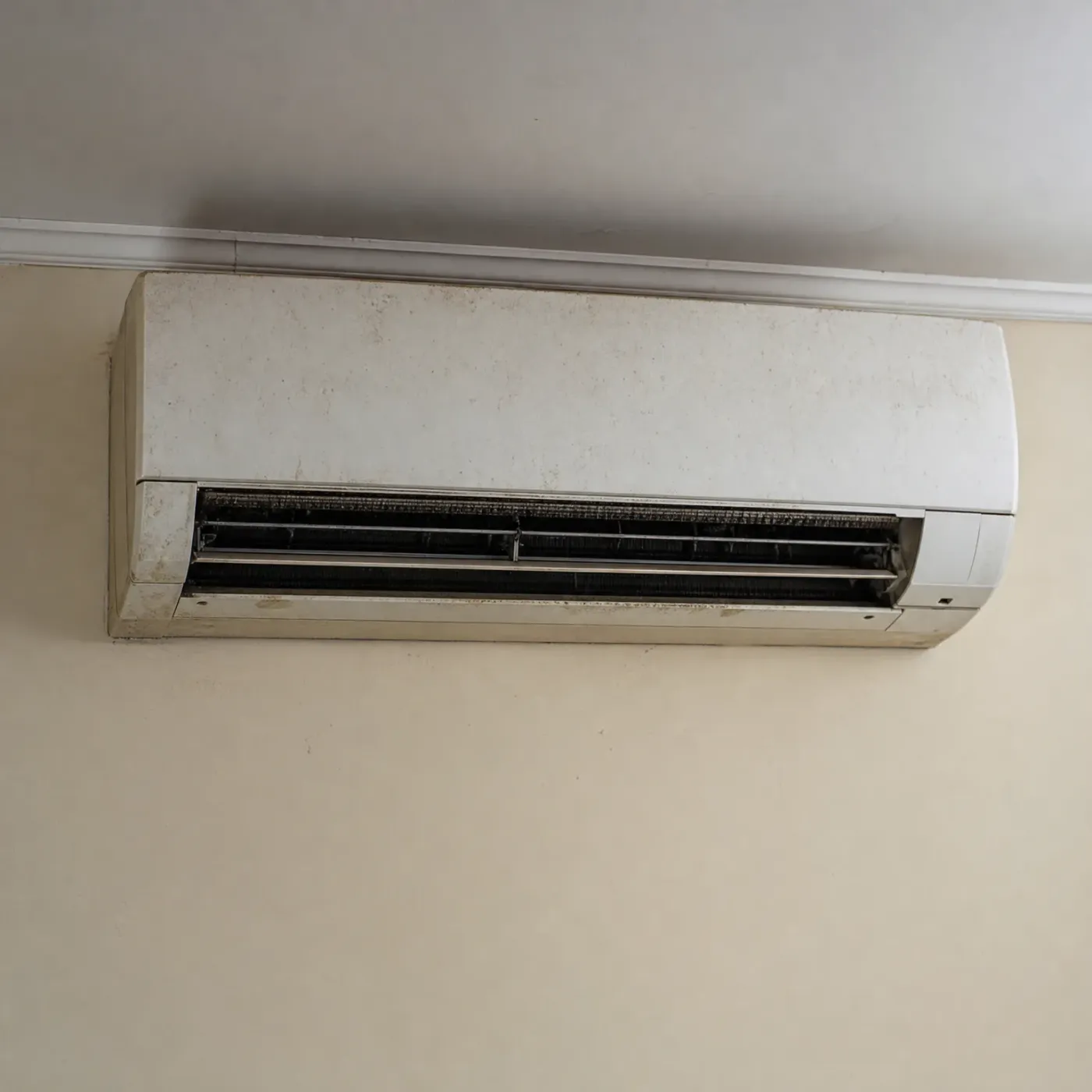
What it looks like when it's not
Dust and grime built up on the casing and vents point to a unit that hasn't been serviced in a while. A dirty filter or coil restricts airflow, and a mini split starved for airflow is already closer to freezing up than one that's clean.
Ice on the unit means something's wrong, not that it's cold out
A mini split that can't shake ice in a New York winter has a real problem behind it, whether that's a low charge, a failing sensor, or a defrost control that isn't switching the cycle the way it should. The ice is the symptom. Someone has to look at the system itself to find out which one it is and fix it.
You don't need to be the one who finds that someone. Instead of pulling up listings, calling a few shops, explaining what the unit is doing to each one, then sitting with quotes trying to guess who's worth hiring, you send the details once. The search, the calls, the repeating yourself, the comparing, all of that stops being your problem. What's left is a licensed contractor getting in touch to deal with the ice.
Mini Split Repair
One request and it's handed off
Step 1 of 3: Equipment
Tell a local repair pro what your mini split is doing.
Describe your mini split job, and a local pro who handles it gets in touch.
Send the request and finding a pro stops being your problem.
After this form, you can stop searching for a mini split pro.
Answer a few questions instead of calling shop after shop.
Describe your mini split job once, to one pro.
Only one pro gets your request, so you hear from one company.