

Running the way it should
The fan spins up right away and warm air moves into the room within a few seconds of the remote clicking. No hesitation, no odd noise from the unit on the wall, just heat where you want it on a cold morning.
Cold snap hits and the mini split just sits there, no hum, no fan, nothing on the display. In a New York winter that's not a small annoyance, especially if the unit is heating a room your gas furnace doesn't reach well. Before you call anyone, it helps to know what actually stops a mini split from powering on when temperatures drop.
Cold doesn't stop a mini split from running, but ice on the outdoor unit does. When frost builds up faster than the defrost cycle can clear it, the system can shut itself down rather than run with a blocked coil. A tripped breaker is another common cause, since compressors draw hard on startup in cold weather, and with electricity costs what they are in New York, some homeowners have the breaker sized tighter than it should be. If the outdoor unit is buried in snow, ice, or sits under a roof drip line that keeps refreezing, airflow gets choked off and the system won't start until that's cleared or a tech finds what's wrong underneath.
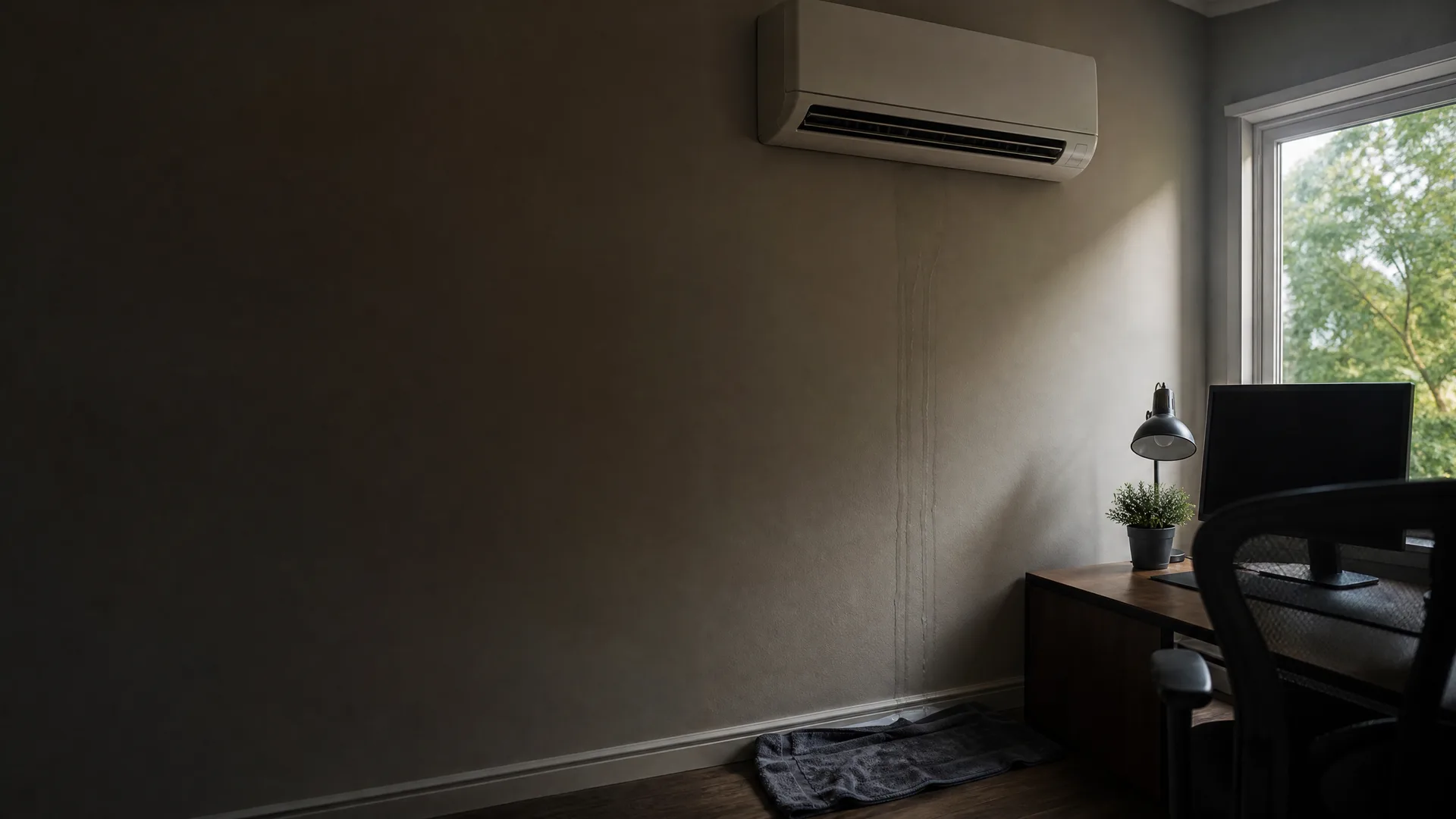
You're at the desk in the home office on a sticky July afternoon, the mini split clicking along above you, when you notice the carpet under the window feels damp. You look up and see it, a wet streak running down the wall from the indoor unit, already starting to bead at the baseboard. You grab a towel from the hall closet and drop it on the floor to catch the drip, then stand there watching the unit for a minute, waiting to see if it slows. It doesn't. The fan keeps running, cold air still pushing out, water still finding its way down the wall behind it.
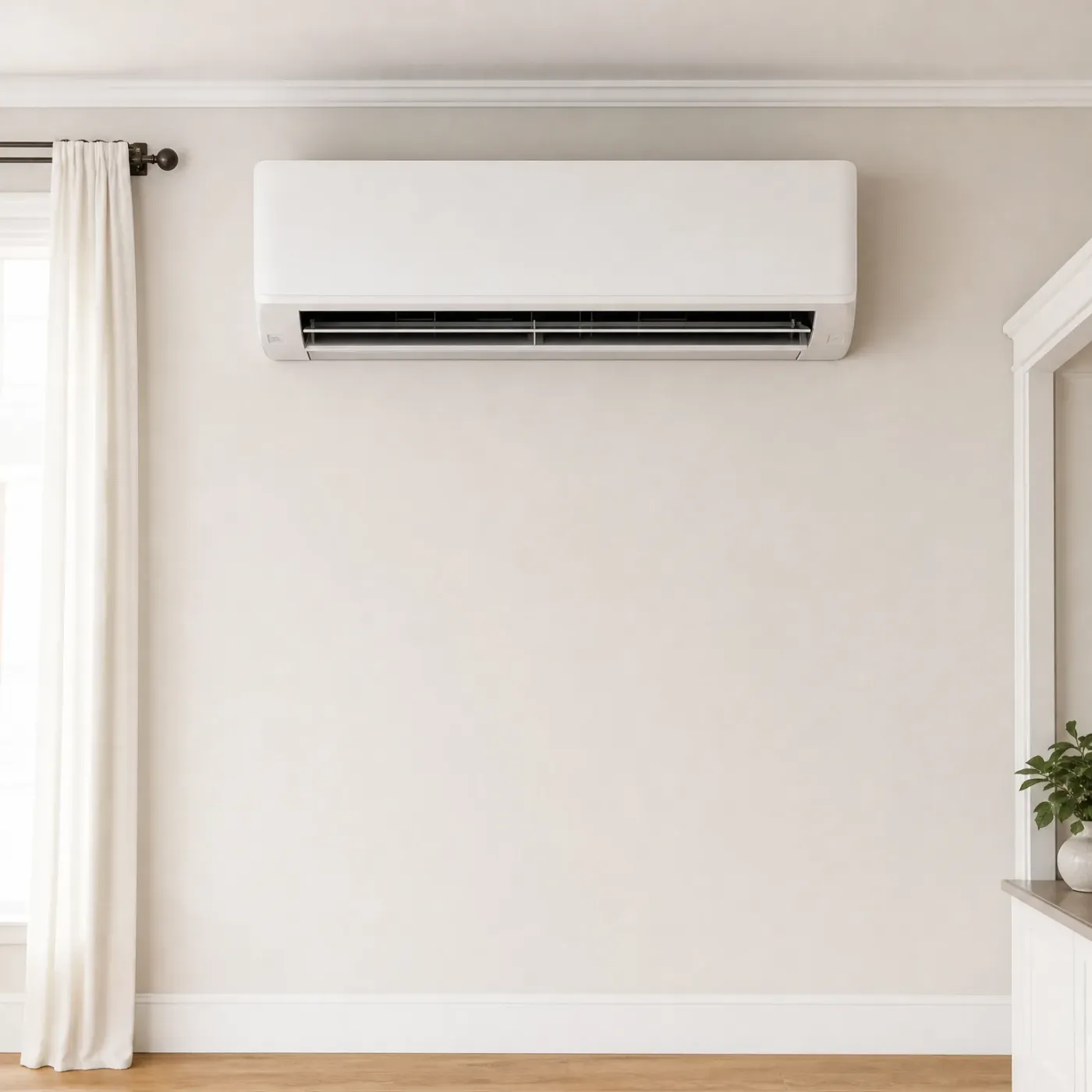
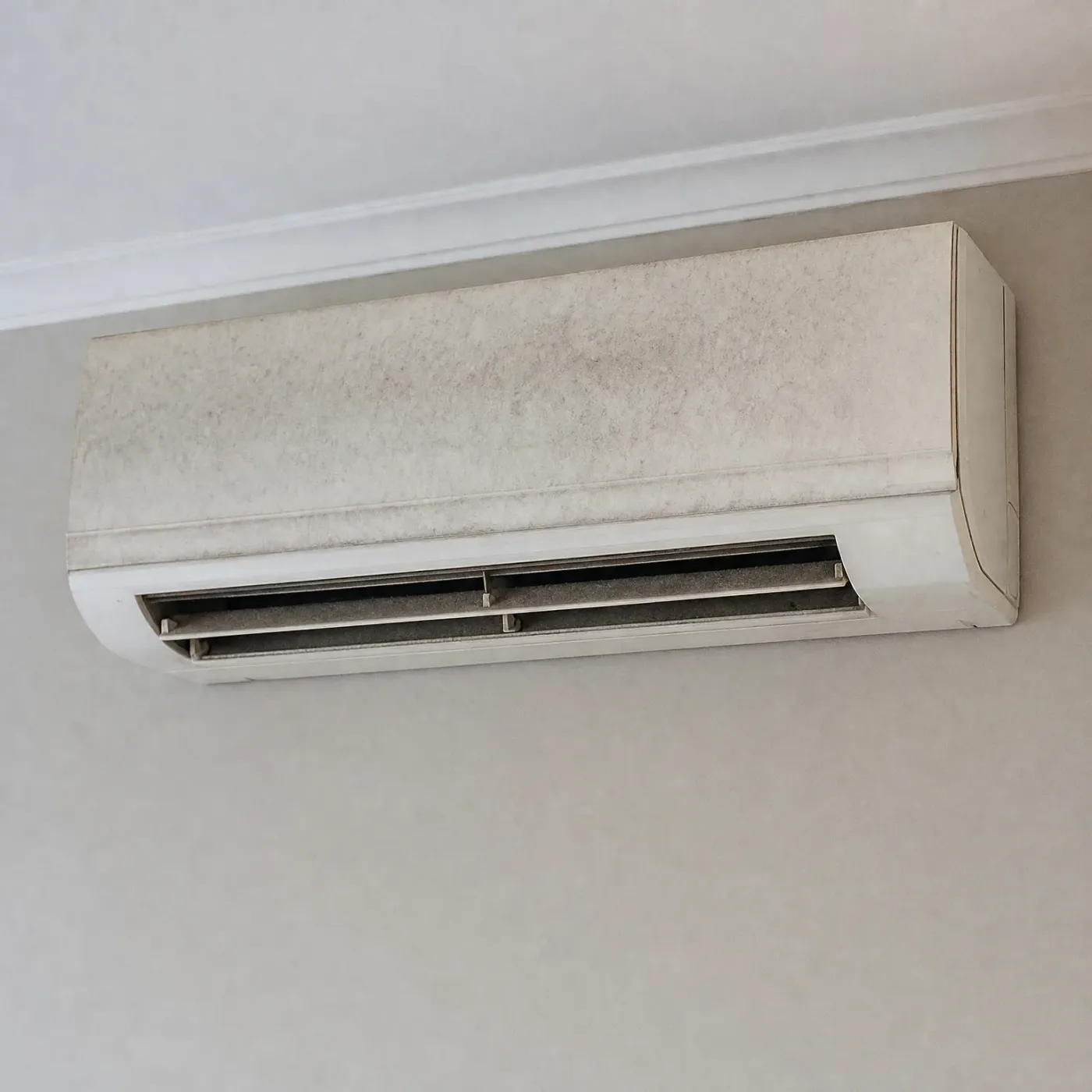
A mini split heats by pulling warmth out of outdoor air, even air that feels too cold to hold any. That work falls on the outdoor unit, and it's the outdoor unit that struggles first on a hard New York night. The board inside it checks a few things before the compressor is allowed to start. It looks at the outdoor temperature against a low ambient cutoff, and below that point, often somewhere in the teens, it holds the system off rather than risk the compressor. It also runs a defrost check, and if frost has built up on the outdoor coil, that start gets delayed or doesn't happen. A coil caked with ice or packed with debris blocks airflow the same way a dirty filter would, so the unit can't draw in the air it needs to pull heat from. None of this shows up on the indoor head as an error. It just looks like nothing is happening. If the indoor unit shows no display at all, that points somewhere else entirely, to the breaker or the disconnect near the outdoor unit.
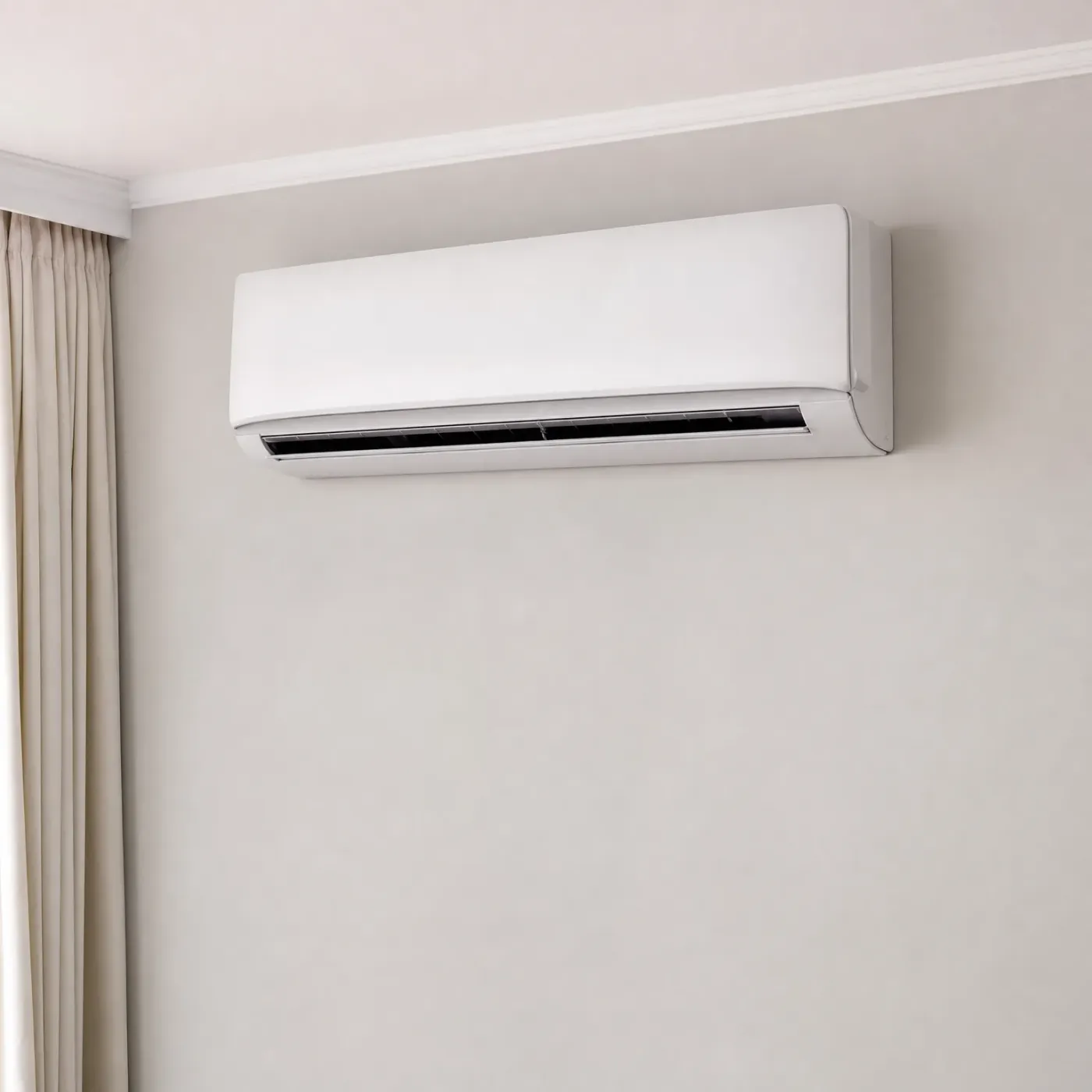
The fan spins up right away and warm air moves into the room within a few seconds of the remote clicking. No hesitation, no odd noise from the unit on the wall, just heat where you want it on a cold morning.
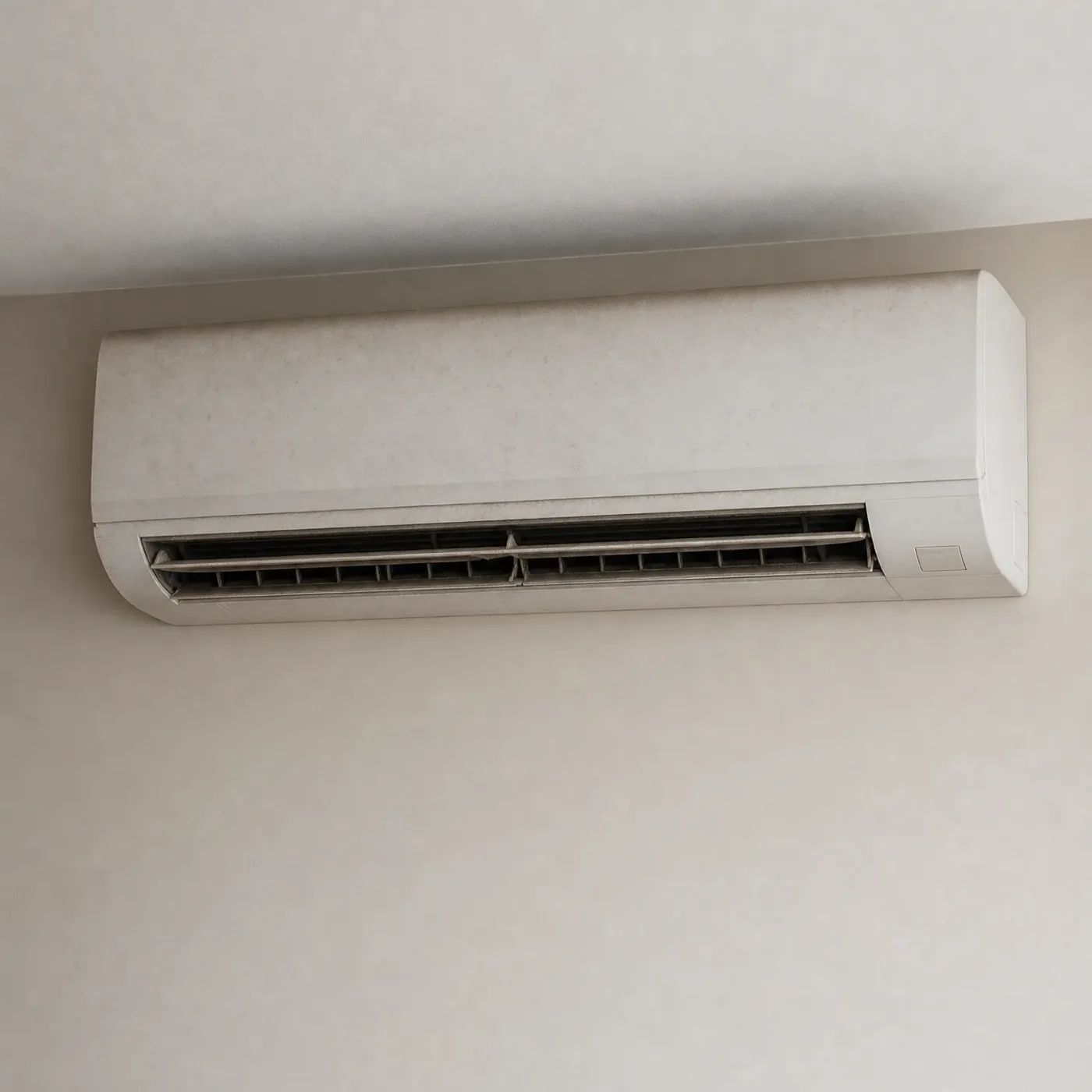
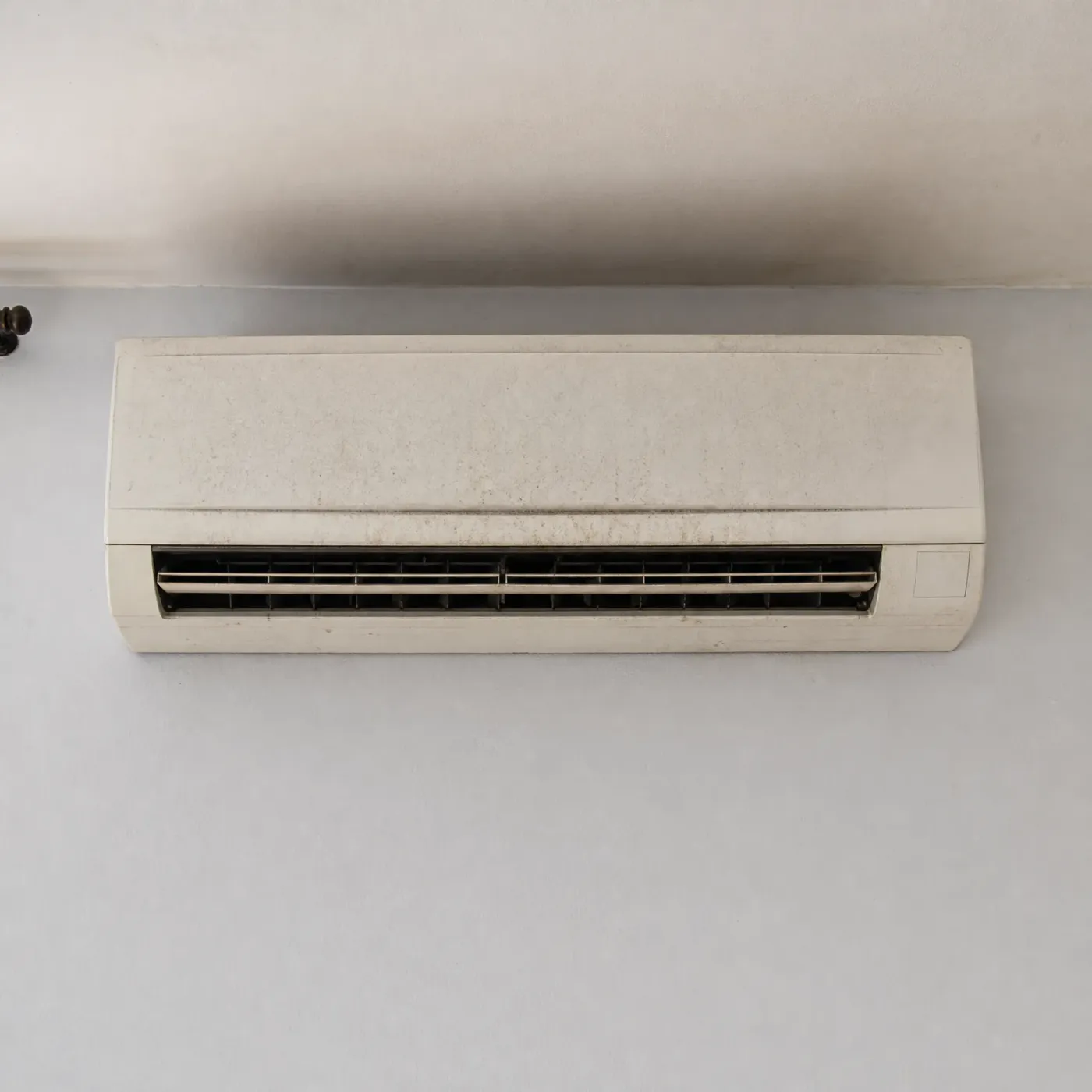
Dust has built up on the casing and around the vents, the kind that comes from a unit that has run for years without a cleaning. Airflow drops, the compressor works harder for less heat, and a unit in this shape is the one that stops responding on the coldest day.




A mini split that won't start on a cold New York morning isn't something to leave for the weekend. If it's carrying part of the heat in that room, every day it sits dead is a day on a space heater or a closed door, and the longer ice or a stuck part sits in that outdoor unit, the more there is to undo. What usually brings one back is specific, a frozen coil, a failed board, a sensor reading the outdoor air wrong, and someone who services these units all winter in this area has seen the pattern before and knows where to look first. Send the request and that search stops being yours to carry. It goes to one local contractor, not a handful of companies competing for the callback, someone who works on this equipment in this cold every season. You get the room back working the way it's supposed to, without chasing down who's even available to look at it.
A mini split working through a cold New York morning is running a sequence most owners never see. The outdoor coil picks up frost in freezing air, so the system briefly reverses itself, sends hot gas through that coil, and melts the ice off before switching back to heating your room. A thermistor mounted on the coil is what tells the control board when that defrost cycle needs to start and when it's done. If that sensor drifts or fails, the board loses its read on the coil and can get stuck believing defrost is still running, so it holds the compressor off and the indoor unit just sits there. There's also a crankcase heater in the outdoor unit, warming the compressor housing overnight so refrigerant doesn't pool with the oil and cause a rough, damaging start. If pressure inside the system climbs or drops past what the board allows, a safety switch trips and locks the compressor out until a tech clears the fault code, not something that resets on its own. Some models go a step further and lock out heat mode entirely once the outdoor temperature drops past a set point, waiting on a technician to reset the board before it will run again. None of this is visible from the wall unit. All you get is silence where there should be a hum, while the actual problem is a sensor reading wrong or a safety switch doing exactly what it's built to do.
That rate makes every day your mini split sits dead more than an inconvenience. If a space heater or your gas furnace has to pick up the slack while you wait, you'll feel it on the bill. A quick repair keeps the cost of staying warm where it belongs, on the system built for it.
EIA-861 2025 statewide residential average
A mini split that won't fire up in a New York cold snap almost always comes down to the same handful of things: ice on the outdoor coil, a stuck defrost sensor, or a control board that's lost track of what the unit is supposed to be doing. None of that clears itself by waiting. A contractor who works on these units all winter in this area has seen the same failure show up on the same cold mornings, in the same brands, often on the same boards, so there's no guesswork in what to check first. Once you send the request, it goes to one licensed local contractor, not a handful of companies competing for the job, so your phone isn't ringing all afternoon with sales calls. You're left with one person who knows this equipment and this climate, looking at your unit instead of a stranger's. The cold isn't going to let up, but figuring out why your mini split won't start doesn't have to sit on your list until it warms up on its own.
Only one pro gets your request, so you hear from one company.
No fee to send it, and nothing to sign.