Tell us about the job
Takes about a minute. No obligation.
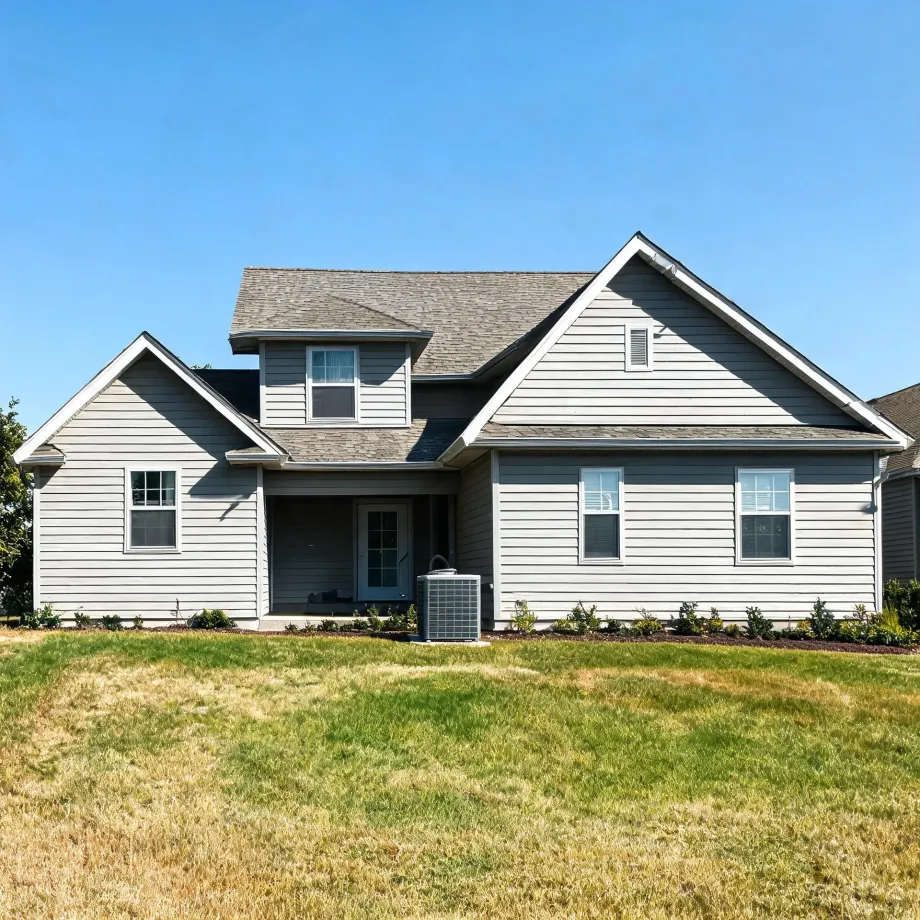
Size the heating capacity right or the system runs short from the first winter. Homes in Allegany County, NY have essentially no cooling season — no month of the year is warm enough to call for it. A mini-split here earns its keep almost entirely through its heating function, which means the compressor, refrigerant lines, and indoor heads are cycling through cold weather rather than sitting idle half the year. A contractor quoting this job works out the heat load for the specific house before picking a unit, because an undersized system that cannot keep pace with a hard Allegany County winter will strain its components doing it.
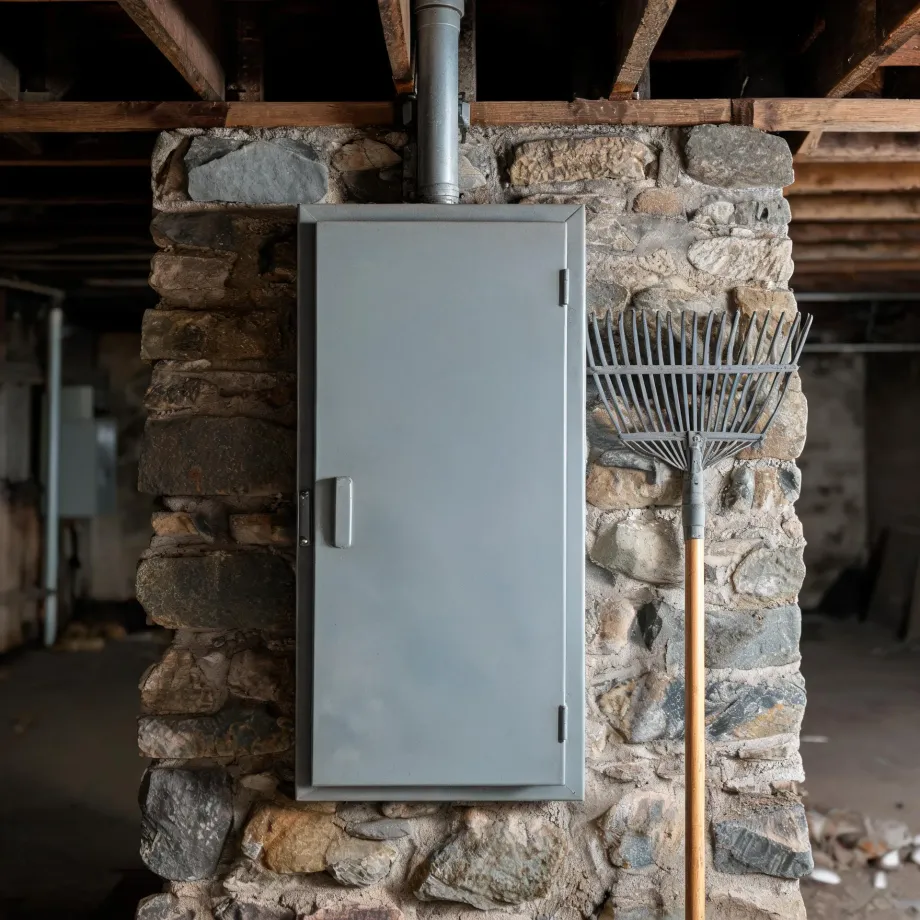
Electrical service is where a mini-split installation in Allegany County gets decided. Half the homes in Allegany County, New York were built in 1966 or earlier (2020-2024 ACS 5-year). Houses that old were wired for a load profile that has nothing to do with a heat pump, and a contractor sizing a new system has to establish what the panel actually supports before anything else on the job moves forward. If the service needs upgrading, that work sets the schedule and the cost. The equipment selection comes after.
What a Mini-split Installation Covers
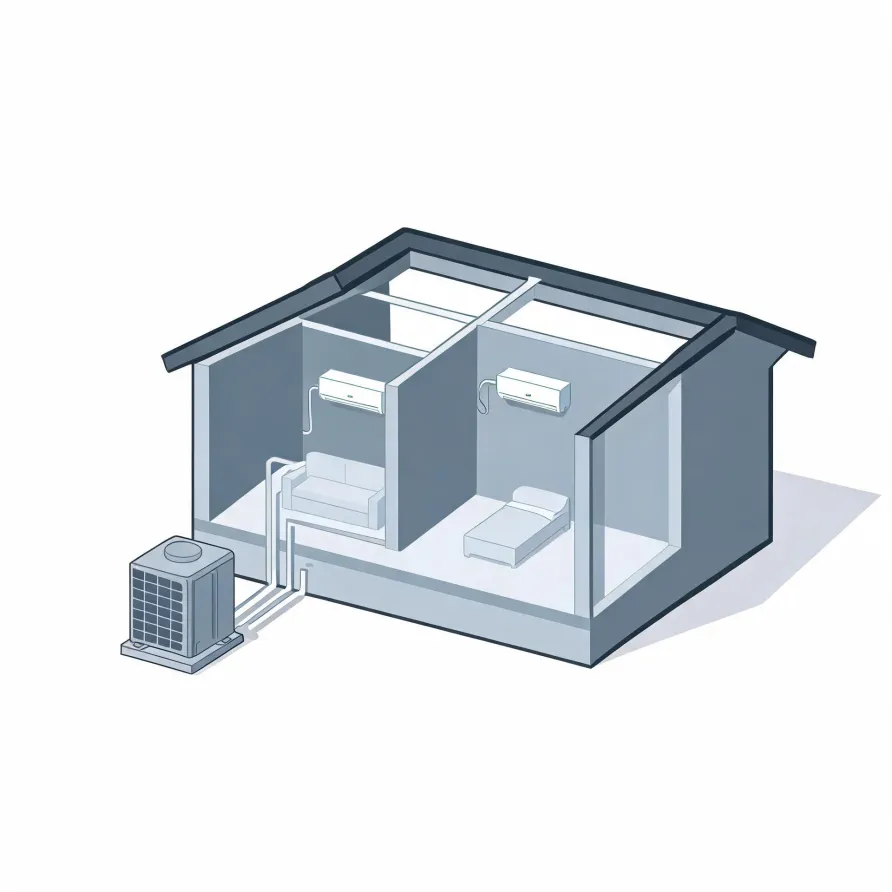
The indoor air handler mounts high on an interior wall in the room being conditioned, and that is where the treated air enters the space. The outdoor unit sits on the ground or on a wall bracket outside the house and holds the compressor and condenser coil. Together these two pieces are what a homeowner is buying.
A refrigerant line set runs through a small opening in the wall to connect the indoor and outdoor units, and a condensate drain line carries moisture out of the building. A dedicated disconnect box gets placed near the outdoor unit as part of the same installation scope.
The drawing shows a typical layout, and a licensed contractor determines exactly how each piece is positioned and routed for your specific home.
Get matched in Allegany CountyAllegany County by the Numbers
163 severe weather events were recorded in Allegany County, New York between 2015 and 2024.
NOAA National Centers for Environmental Information, Storm Events Database, bulk CSV export, events 2015-01-01 through 2024-12-31.Half the homes in Allegany County, New York were built in 1966 or earlier (2020-2024 ACS 5-year).
U.S. Census Bureau, 2020-2024 American Community Survey 5-Year EstimatesAllegany County, New York holds 23,540 housing units (2020-2024 ACS 5-year).
U.S. Census Bureau, 2020-2024 American Community Survey 5-Year EstimatesOwners occupy 79.3% of the occupied homes in Allegany County, New York (2020-2024 ACS 5-year).
U.S. Census Bureau, 2020-2024 American Community Survey 5-Year EstimatesSevere Weather Events in Allegany County
Allegany County's climate puts real demands on heating and cooling equipment, and those demands shape what a well-sized mini-split installation needs to handle. Weather history is part of that picture, which is why it belongs on a page about local HVAC work.
163 severe weather events, 2015–2024. Source: NOAA National Centers for Environmental Information, Storm Events Database.