Tell us about the job
Takes about a minute. No obligation.
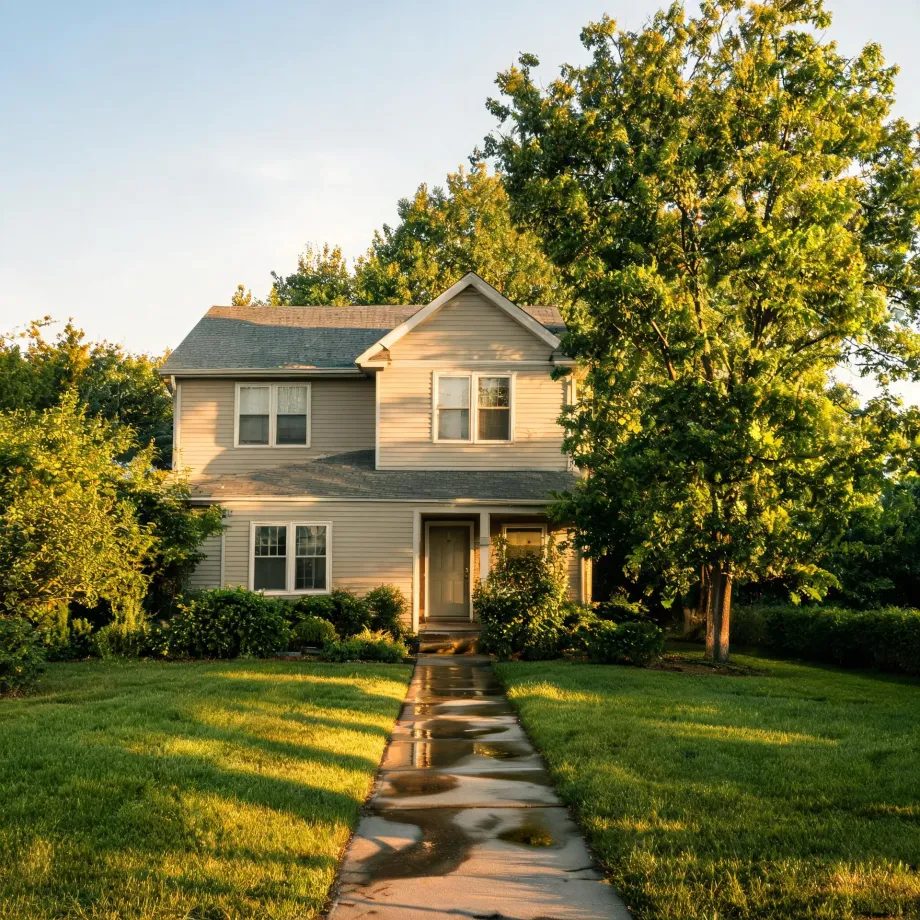
Sizing a mini-split for a Steuben County home starts with heating, because cooling is not a real design constraint here. Homes in Steuben County, NY have essentially no cooling season — no month of the year is warm enough to call for it. The compressor runs its hard cycles in cold air, where capacity drops and the defrost cycle works repeatedly. A contractor has to calculate the heating load correctly before anything else, because an undersized unit will struggle on the coldest nights regardless of how cleanly it was installed. The refrigerant circuit and the outdoor unit's cold-weather rating are the specifications that matter on this job.
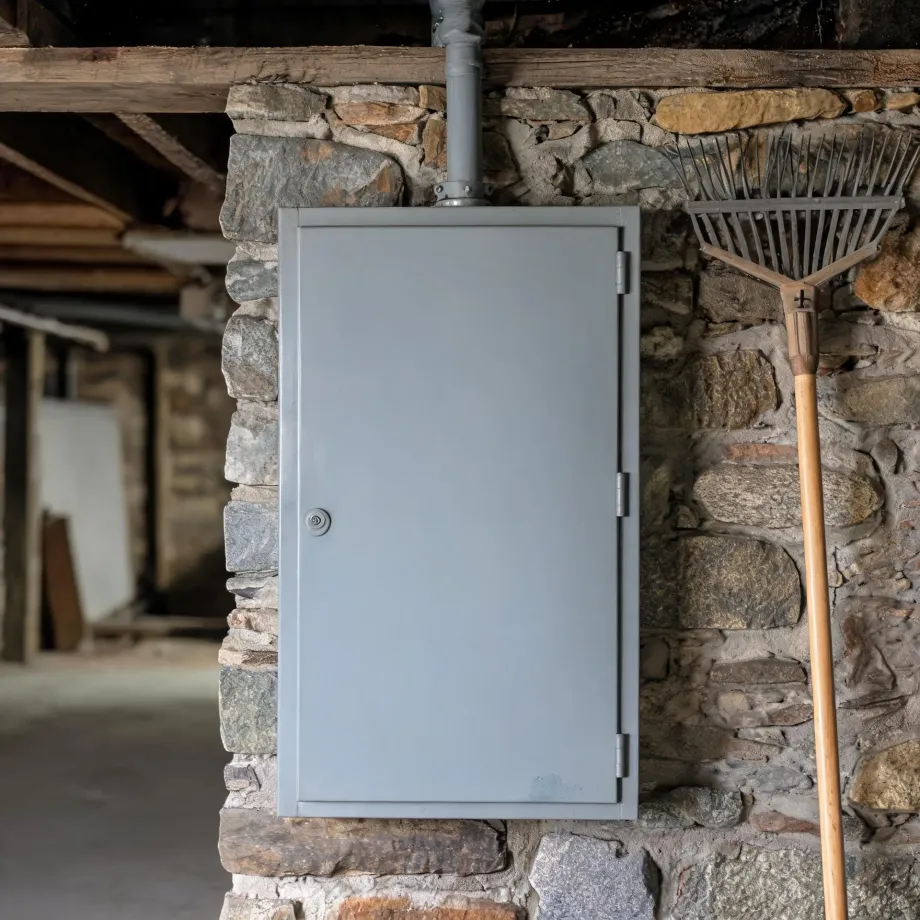
Electrical panels in much of Steuben County's housing were sized for a demand that existed before mini-splits were an option anyone was choosing. Half the homes in Steuben County, New York were built in 1963 or earlier (2020-2024 ACS 5-year). A contractor installing a mini-split has to look at what the panel currently carries and what headroom it has, because a unit added to a service that is already near its limit requires an upgrade before the install can proceed. That assessment shapes the quote more than the equipment selection does.
The Mini-split Parts a Contractor Sizes and Places
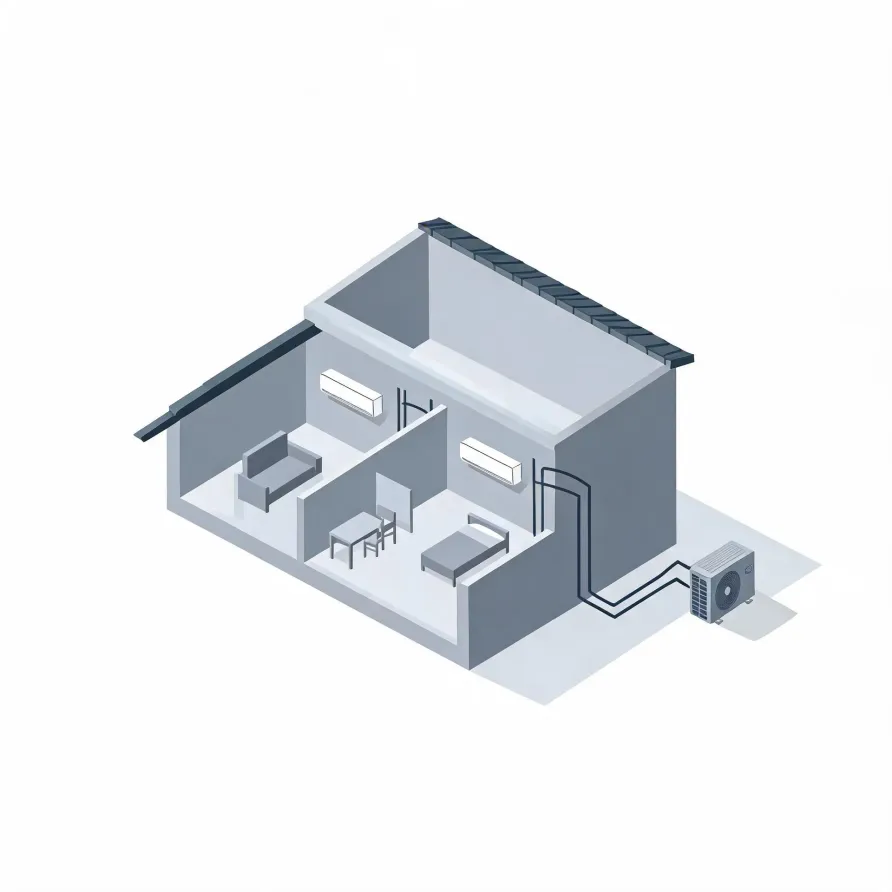
The indoor air handler mounts high on a wall inside the room you want conditioned, which is where most homeowners notice the system first. It draws room air across its coil and delivers treated air directly into that space. The outdoor unit sits on the ground or a bracket outside the house and houses the compressor and the condenser coil.
A set of refrigerant lines and a condensate drain line run through a small penetration in the wall to connect the two units. A control board inside the outdoor unit manages the system, and a wall-mounted thermostat or remote gives you the controls indoors.
The drawing shows a typical layout, and a licensed contractor determines exactly where each piece goes and how the system is configured for your home.
Get matched in Steuben CountySteuben County, by the numbers
198 severe weather events were recorded in Steuben County, New York between 2015 and 2024.
NOAA National Centers for Environmental Information, Storm Events Database, bulk CSV export, events 2015-01-01 through 2024-12-31.Half the homes in Steuben County, New York were built in 1963 or earlier (2020-2024 ACS 5-year).
U.S. Census Bureau, 2020-2024 American Community Survey 5-Year EstimatesSteuben County, New York holds 47,665 housing units (2020-2024 ACS 5-year).
U.S. Census Bureau, 2020-2024 American Community Survey 5-Year EstimatesOwners occupy 73.3% of the occupied homes in Steuben County, New York (2020-2024 ACS 5-year).
U.S. Census Bureau, 2020-2024 American Community Survey 5-Year EstimatesSevere Weather in Steuben County
Heating and cooling equipment in Steuben County works against whatever the local climate throws at it, year after year. How hard that load runs, and how well the equipment holds up, is a local question with a local answer.
198 severe weather events, 2015–2024. Source: NOAA National Centers for Environmental Information, Storm Events Database.