Tell us about the job
Takes about a minute. No obligation.
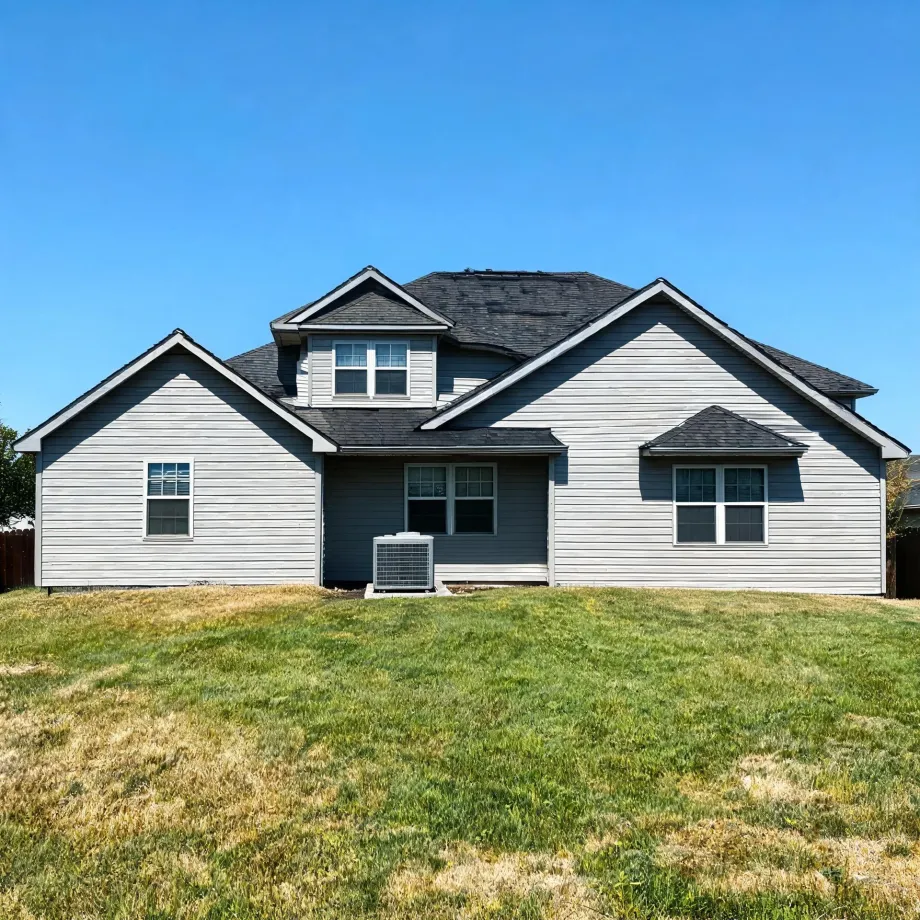
A contractor quoting a mini-split in Greene County has one real sizing question: how much heating the unit needs to deliver. Homes in Greene County, NY have essentially no cooling season — no month of the year is warm enough to call for it. The compressor never accumulates cooling-season wear, so the coil and the refrigerant circuit are not stressed by summer starts and stops. What stresses them is winter, where the outdoor unit runs its defrost cycle repeatedly through cold months and the system's low-ambient rating sets the floor for what gets specified. An installer who skips a proper heating load calculation here is leaving the only season that matters unaddressed.
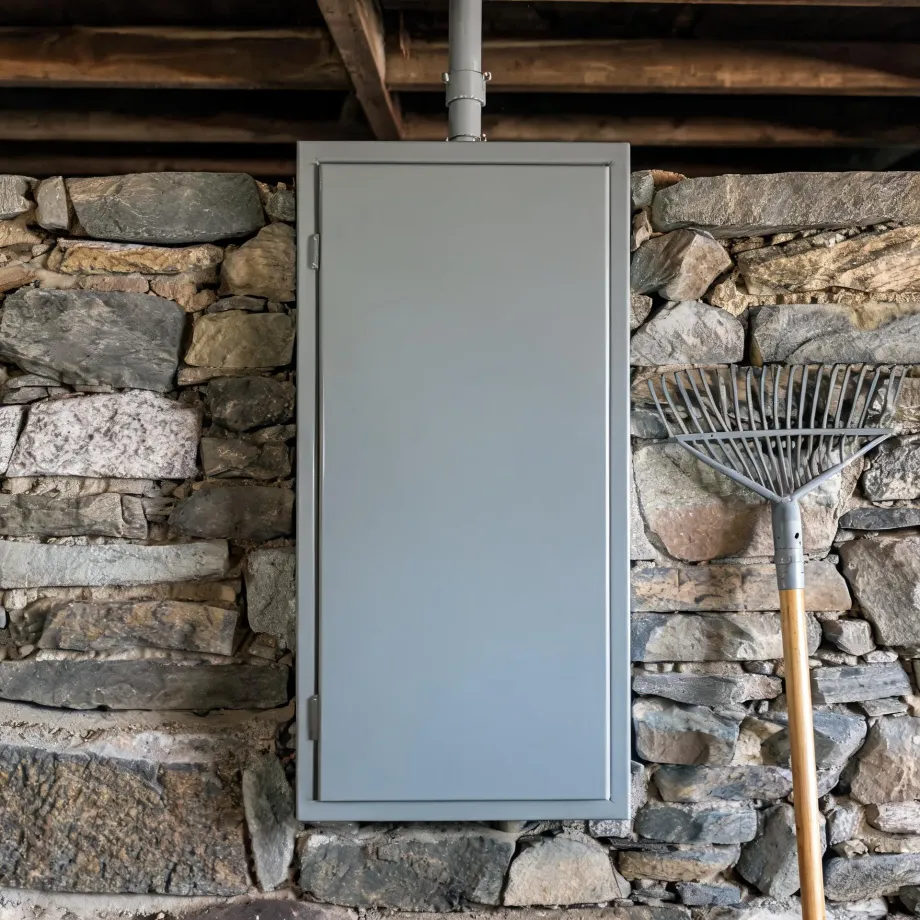
Older electrical panels are where mini-split installations in Greene County run into their first real constraint. Half the homes in Greene County, New York were built in 1972 or earlier (2020-2024 ACS 5-year). A service panel put in to run the appliances of that era was not sized for the draw a modern outdoor compressor places on it, and a contractor has to evaluate what the existing panel can carry before the new equipment is priced. If it falls short, the panel work comes before the unit goes in.
What a Mini-split Consists of and Where Each Piece Goes
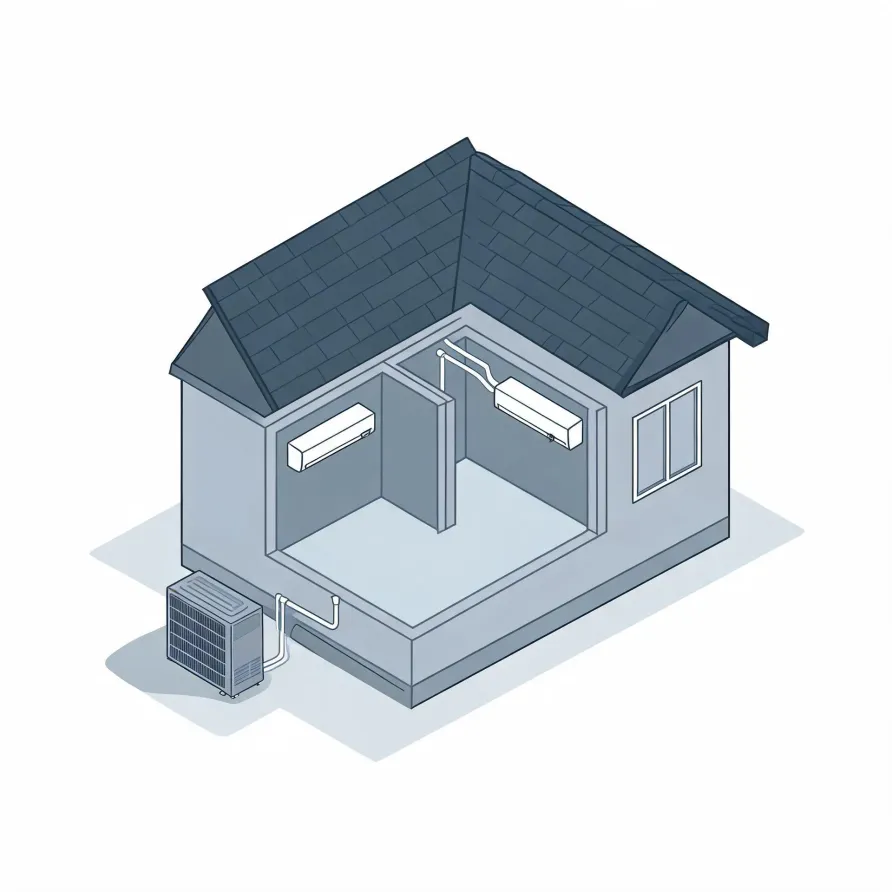
The indoor unit mounts high on a wall inside the room, delivering conditioned air directly into that space. The outdoor unit sits on the ground or a bracket outside the house and houses the compressor and other mechanical components. Together these two units do the core work of the system.
A refrigerant line set runs through a small opening in the wall and connects the indoor and outdoor units, carrying refrigerant between them. A condensate drain line runs from the indoor unit to move moisture out of the space. A dedicated electrical line feeds the outdoor unit from the home's panel.
The drawing shows the general layout of these components, and a licensed contractor determines exactly how they are configured for your house.
Get matched in Greene CountyGreene County, by the numbers
168 severe weather events were recorded in Greene County, New York between 2015 and 2024.
NOAA National Centers for Environmental Information, Storm Events Database, bulk CSV export, events 2015-01-01 through 2024-12-31.Half the homes in Greene County, New York were built in 1972 or earlier (2020-2024 ACS 5-year).
U.S. Census Bureau, 2020-2024 American Community Survey 5-Year EstimatesGreene County, New York holds 29,080 housing units (2020-2024 ACS 5-year).
U.S. Census Bureau, 2020-2024 American Community Survey 5-Year EstimatesOwners occupy 77.2% of the occupied homes in Greene County, New York (2020-2024 ACS 5-year).
U.S. Census Bureau, 2020-2024 American Community Survey 5-Year EstimatesSevere Weather Events in Greene County
Equipment sized and installed for local conditions handles demand better than equipment sized for somewhere else. How hard the weather pushes a building over the years shapes what a mini-split here needs to do.
168 severe weather events, 2015–2024. Source: NOAA National Centers for Environmental Information, Storm Events Database.