Tell us about the job
Takes about a minute. No obligation.
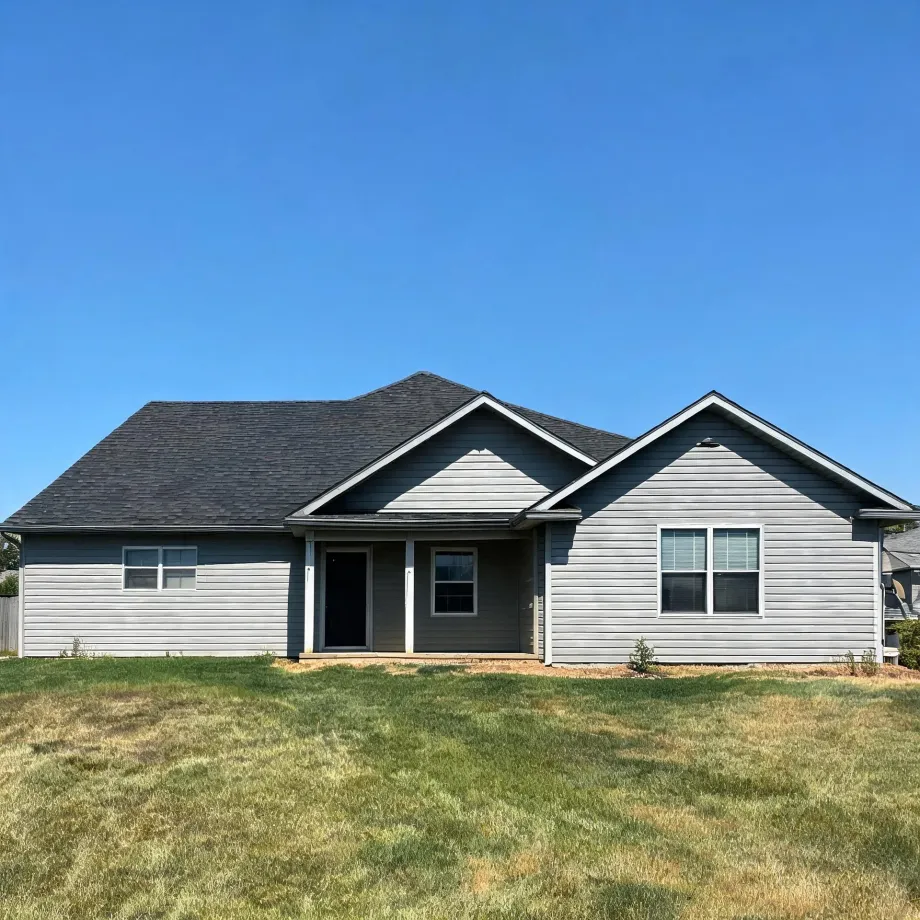
Getting the load calculation right before the install matters more when the compressor spends most of the year off. Homes in Columbia County, NY run cooling about two months a year, from July through August. A mini-split that is oversized for the actual peak load short-cycles through those summer weeks, running in bursts too brief to dehumidify well and stressing the contactor on every start. A contractor has to work out the true cooling load for the house before selecting the head and outdoor unit, not after. Undersizing shows up just as fast: the system runs flat out without catching up on the hottest days.
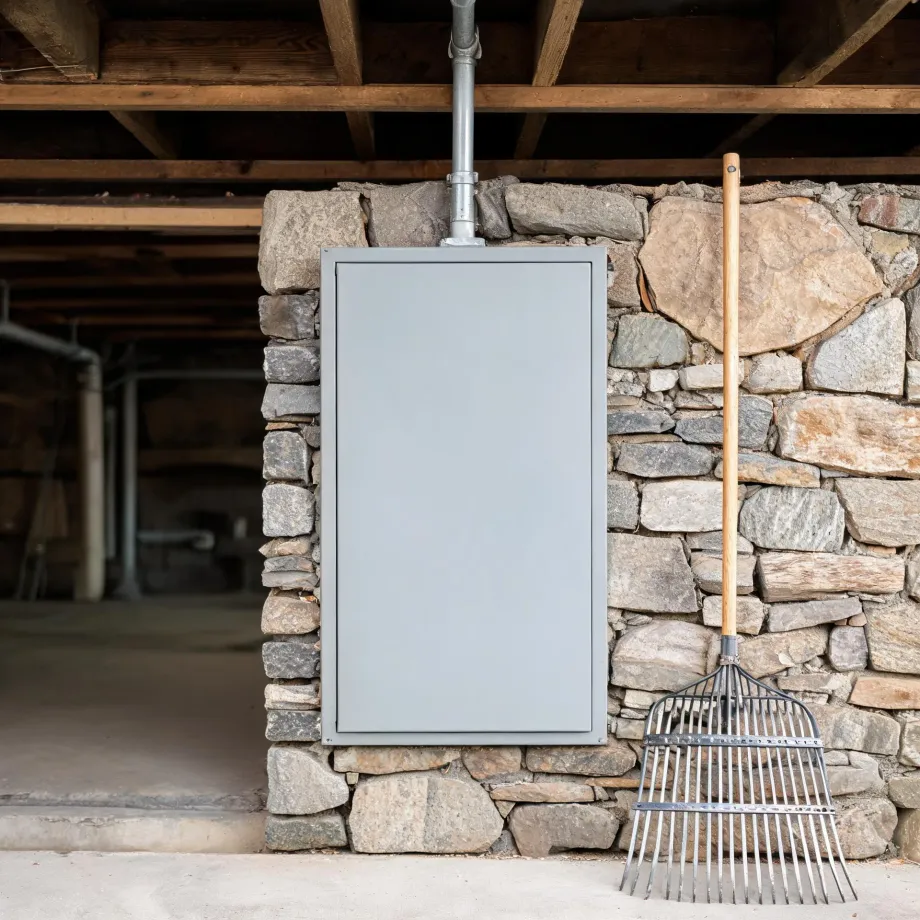
Electrical service is where a mini-split installation in Columbia County gets decided. Half the homes in Columbia County, New York were built in 1966 or earlier (2020-2024 ACS 5-year). Houses built around that era were wired for the loads of their time, and a modern mini-split outdoor unit draws differently than what those original panels were sized to handle. A contractor quoting the job opens the panel before pricing the equipment, because what they find there sets the scope.
What a Mini-split Installation Covers
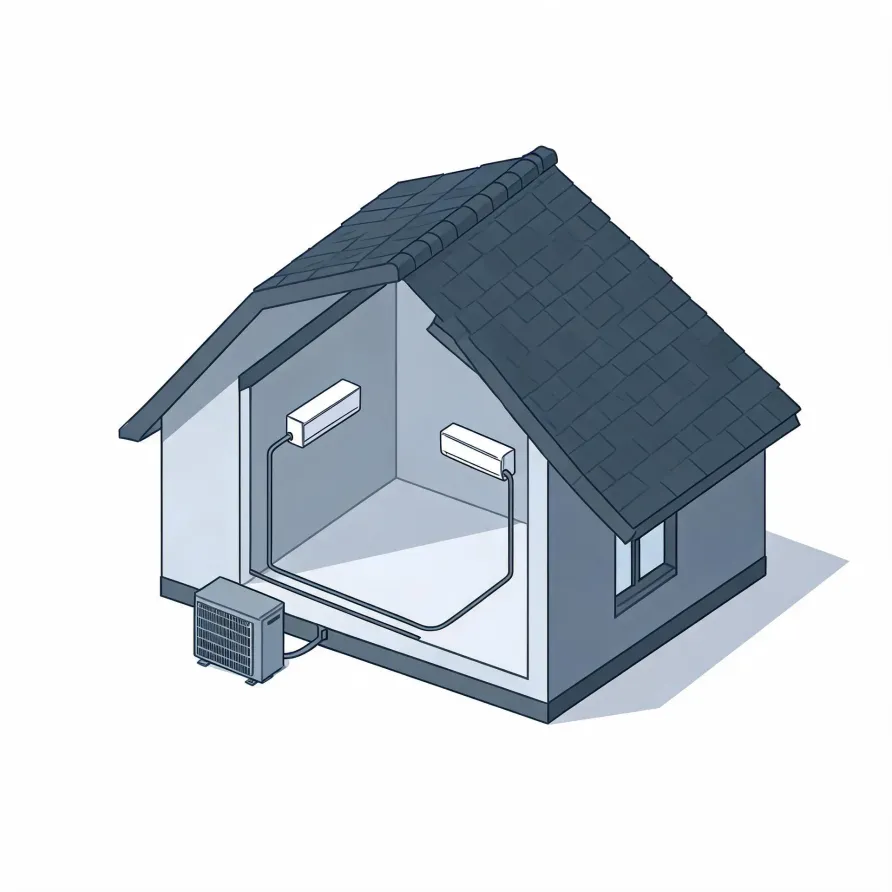
The indoor air handler is the piece a homeowner sees every day. It mounts high on an interior wall in the room being served and delivers conditioned air directly into that space. The outdoor condenser unit sits outside the home, typically on the ground or a wall bracket, and houses the compressor and other core components.
A narrow conduit runs through a small opening in the wall to connect the two units, bundling the refrigerant lines, a condensate drain line, and electrical wiring into a single protected sleeve. A disconnect box is mounted on the exterior wall near the outdoor unit to allow the system to be safely shut off for service.
The drawing shows the general layout of a mini-split system, and a licensed contractor determines exactly how each piece is positioned and routed for your home.
Get matched in Columbia CountyColumbia County, New York, by the numbers
438 severe weather events were recorded in Columbia County, New York between 2015 and 2024.
NOAA National Centers for Environmental Information, Storm Events Database, bulk CSV export, events 2015-01-01 through 2024-12-31.Half the homes in Columbia County, New York were built in 1966 or earlier (2020-2024 ACS 5-year).
U.S. Census Bureau, 2020-2024 American Community Survey 5-Year EstimatesColumbia County, New York holds 33,393 housing units (2020-2024 ACS 5-year).
U.S. Census Bureau, 2020-2024 American Community Survey 5-Year EstimatesOwners occupy 76.3% of the occupied homes in Columbia County, New York (2020-2024 ACS 5-year).
U.S. Census Bureau, 2020-2024 American Community Survey 5-Year EstimatesSevere Weather Events in Columbia County
Columbia County's climate puts real demand on heating and cooling equipment year-round. How hard a system has to work is a local fact, and weather history is part of that picture.
438 severe weather events, 2015–2024. Source: NOAA National Centers for Environmental Information, Storm Events Database.