Tell us about the job
Takes about a minute. No obligation.
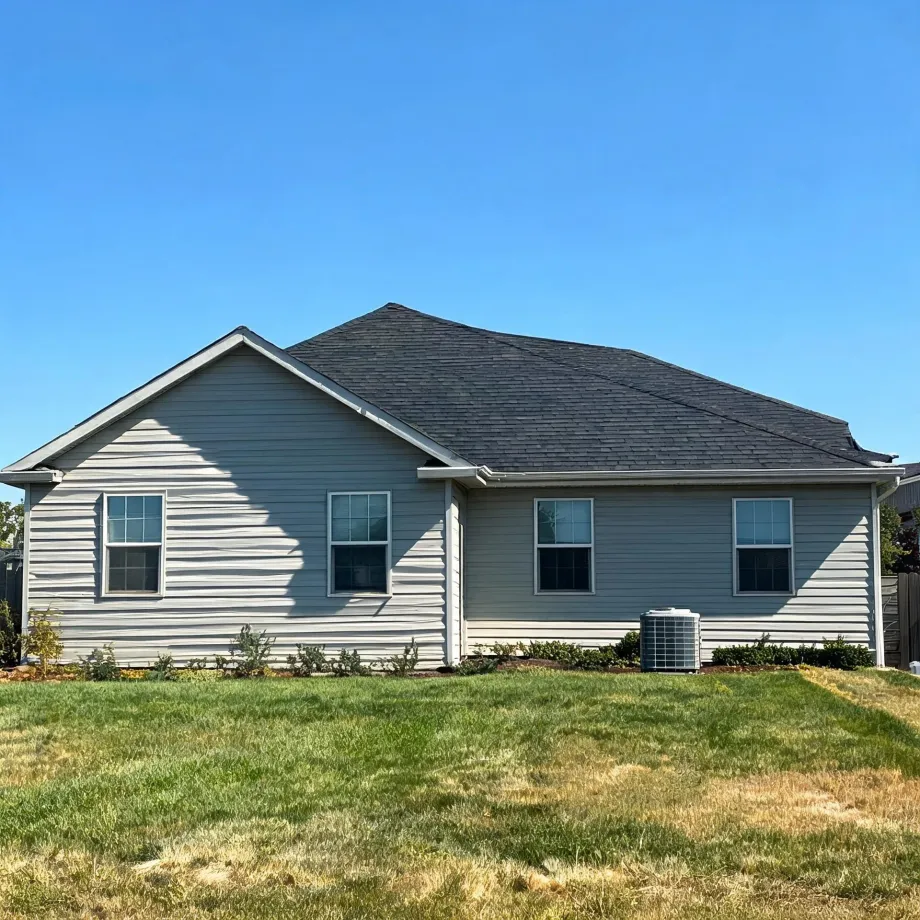
Sizing a mini-split for Tompkins County starts with what the system is actually being asked to do. Homes in Tompkins County, NY run cooling in a single month of the year, July. The compressor, the condenser fan, and the contactor do all their work in that window, with no shoulder months to spread the load. A unit that is undersized or installed with a loose refrigerant charge will run longer cycles and run them harder. A contractor working the load calculation here has to get it right the first time, because the short season leaves no margin to hide a bad number.
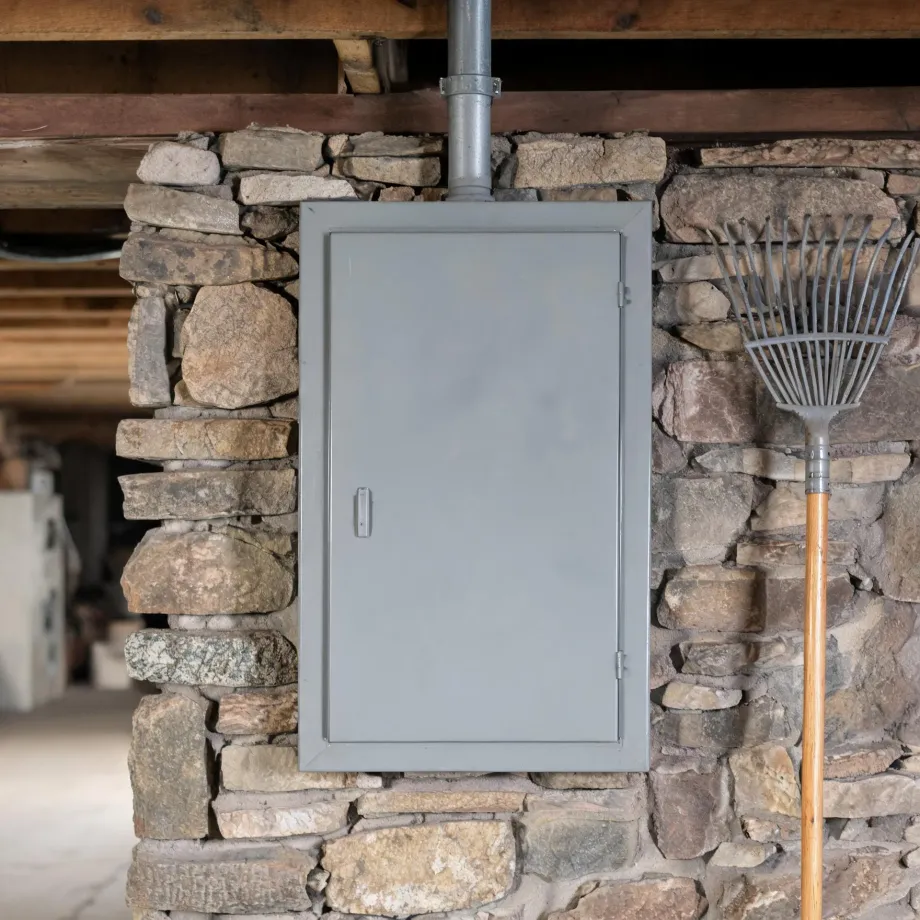
Electrical panels in houses wired for much lighter loads are where mini-split installations in this county run into real decisions. Half the homes in Tompkins County, New York were built in 1974 or earlier (2020-2024 ACS 5-year). That means a contractor sizing a new unit has to look at what the service panel was built to carry, and whether it can handle what a mini-split draws without an upgrade. A unit that fits the room perfectly can still require panel work before it ever runs.
What a Mini-split Installation Puts in Your Home
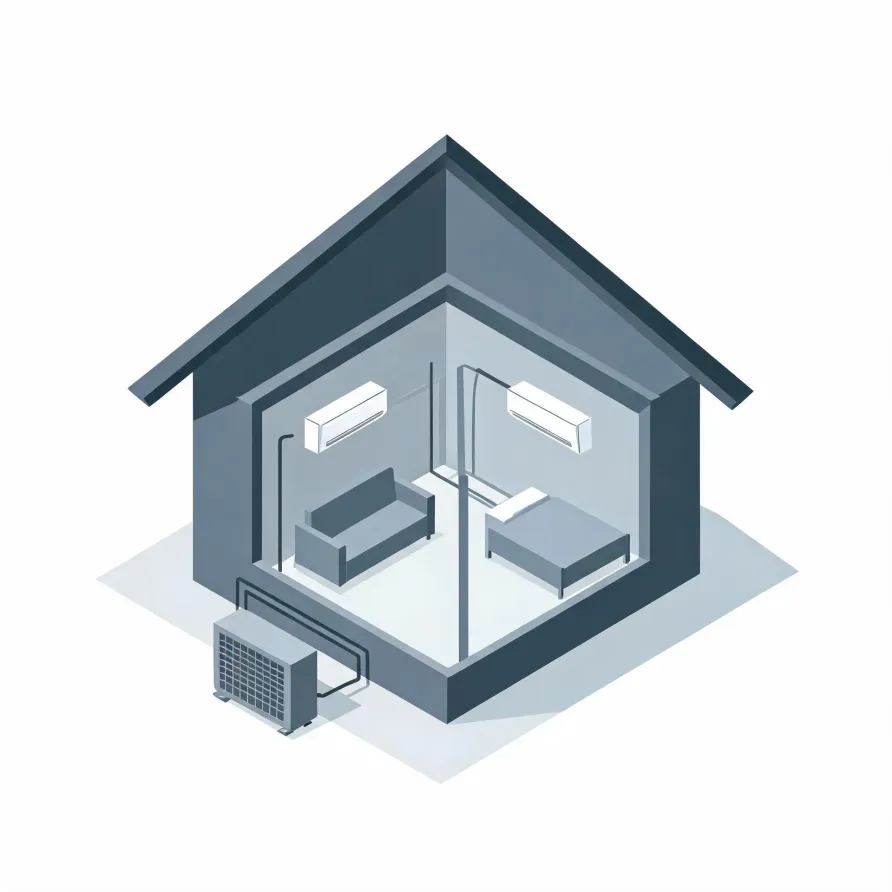
The indoor air handler is the piece you will see every day. It mounts high on an interior wall in the room being conditioned and delivers conditioned air directly into that space. The outdoor unit pairs with it, sitting on the ground or a bracket outside the house, and houses the compressor and the components that drive the whole system.
A refrigerant line set runs between the two units through a small opening in the wall, carrying the working fluid back and forth. A condensate drain line runs from the indoor unit to route moisture out of the space, and a dedicated electrical line feeds the outdoor unit from the panel.
The drawing beside this text shows how these pieces relate to one another in a typical installation, and a licensed contractor determines exactly how they are positioned and routed in your home.
Get matched in Tompkins CountyTompkins County, by the numbers
113 severe weather events were recorded in Tompkins County, New York between 2015 and 2024.
NOAA National Centers for Environmental Information, Storm Events Database, bulk CSV export, events 2015-01-01 through 2024-12-31.Half the homes in Tompkins County, New York were built in 1974 or earlier (2020-2024 ACS 5-year).
U.S. Census Bureau, 2020-2024 American Community Survey 5-Year EstimatesTompkins County, New York holds 47,804 housing units (2020-2024 ACS 5-year).
U.S. Census Bureau, 2020-2024 American Community Survey 5-Year EstimatesOwners occupy 54.1% of the occupied homes in Tompkins County, New York (2020-2024 ACS 5-year).
U.S. Census Bureau, 2020-2024 American Community Survey 5-Year EstimatesSevere Weather Events in Tompkins County
Heating and cooling loads in Tompkins County are shaped by what the weather actually does here, not by regional averages. A mini-split sized and installed for local conditions handles demand that a generic spec can miss.
113 severe weather events, 2015–2024. Source: NOAA National Centers for Environmental Information, Storm Events Database.