Tell us about the job
Takes about a minute. No obligation.
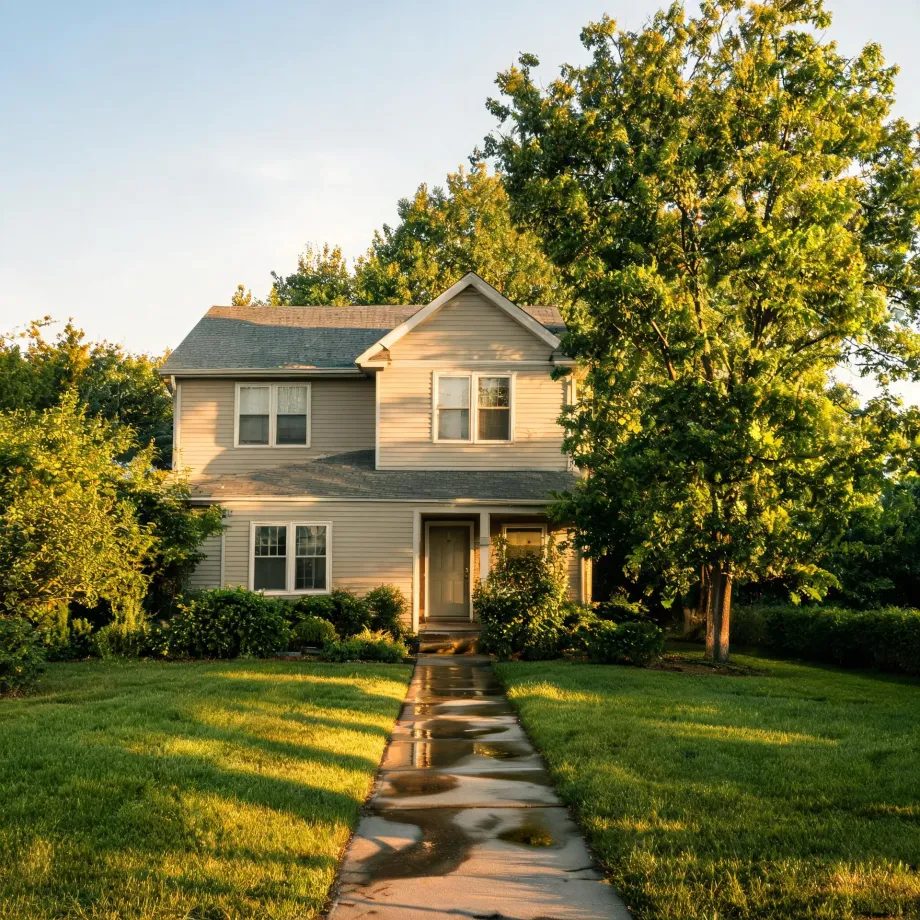
Size a mini-split wrong here and the compressor pays for it before the homeowner notices. Homes in Niagara County, NY run cooling about two months a year, from July through August. A compressor that is undersized for the actual heat load cycles more often and works harder each time it runs, and a short season gives it nowhere to recover between calls. Contractors sizing a system for this county need accurate Manual J calculations on the actual structure, because a guess that would survive a longer, easier season will surface as a failure here when the load peaks and the unit cannot keep up.
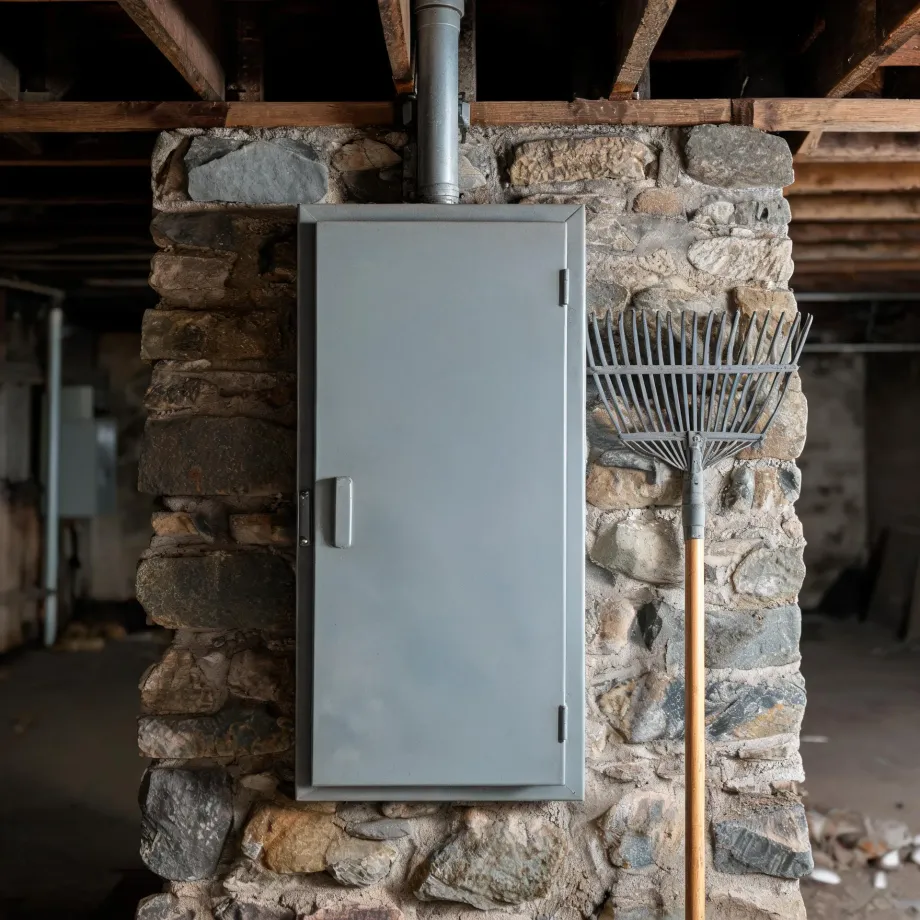
Electrical service is where a mini-split installation in Niagara County tends to get complicated. Half the homes in Niagara County, New York were built in 1958 or earlier (2020-2024 ACS 5-year). Houses built by that point were wired for the loads of their era, and a ductless system draws differently than what those panels were designed around. A contractor will pull the panel cover and read what is actually there before any equipment decision is final.
What a Mini-split Installation Covers
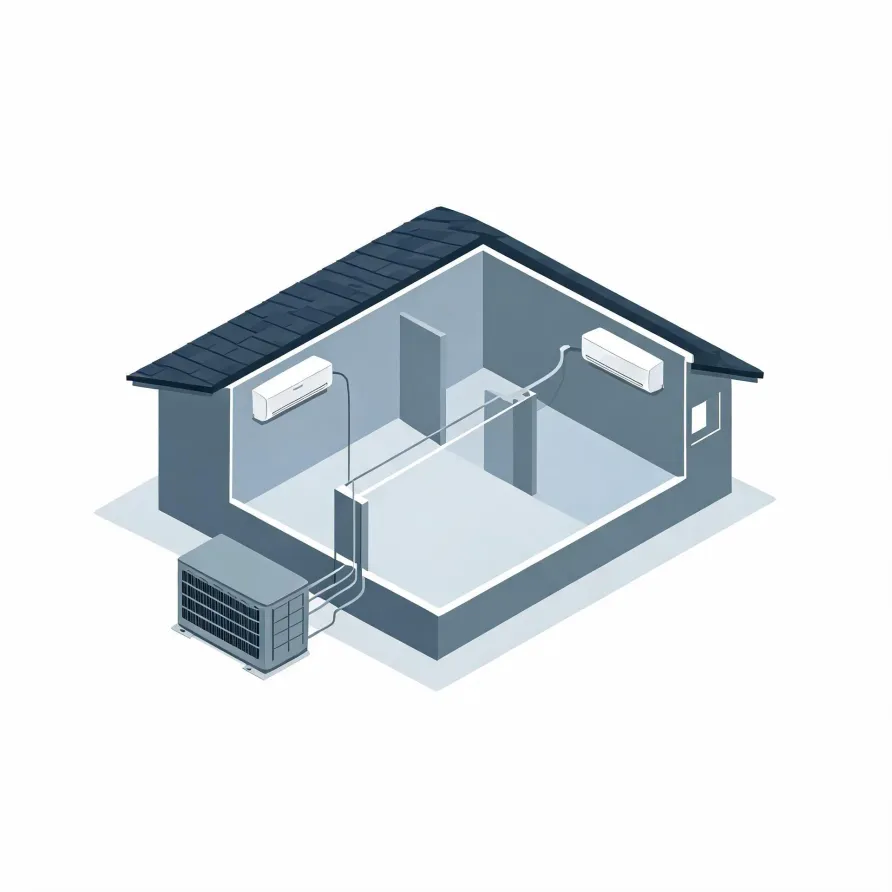
The indoor air handler mounts high on a wall inside the room being served, delivering conditioned air directly into that space. The outdoor unit sits on the ground or on a wall bracket outside the home and houses the compressor and condenser coil, which do the heavy mechanical work of the system.
A narrow conduit bundle runs through a small opening in the wall to connect the two units, carrying the refrigerant lines, power cable, and condensate drain line between them. A dedicated disconnect box is mounted on the exterior wall close to the outdoor unit, giving the installing contractor a safe local shutoff point.
The drawing shows the general layout of these components, and a licensed contractor determines exactly how each one is positioned and routed in your home.
Get matched in Niagara CountyNiagara County by the Numbers
121 severe weather events were recorded in Niagara County, New York between 2015 and 2024.
NOAA National Centers for Environmental Information, Storm Events Database, bulk CSV export, events 2015-01-01 through 2024-12-31.Half the homes in Niagara County, New York were built in 1958 or earlier (2020-2024 ACS 5-year).
U.S. Census Bureau, 2020-2024 American Community Survey 5-Year EstimatesNiagara County, New York holds 100,446 housing units (2020-2024 ACS 5-year).
U.S. Census Bureau, 2020-2024 American Community Survey 5-Year EstimatesOwners occupy 71.2% of the occupied homes in Niagara County, New York (2020-2024 ACS 5-year).
U.S. Census Bureau, 2020-2024 American Community Survey 5-Year EstimatesSevere Weather Events in Niagara County
Heating and cooling equipment in Niagara County works against whatever the local climate delivers, and that load shapes what a proper installation needs to handle. A mini-split sized and installed for this area accounts for local weather conditions, which is why the record below is relevant.
121 severe weather events, 2015–2024. Source: NOAA National Centers for Environmental Information, Storm Events Database.