Tell us about the job
Takes about a minute. No obligation.
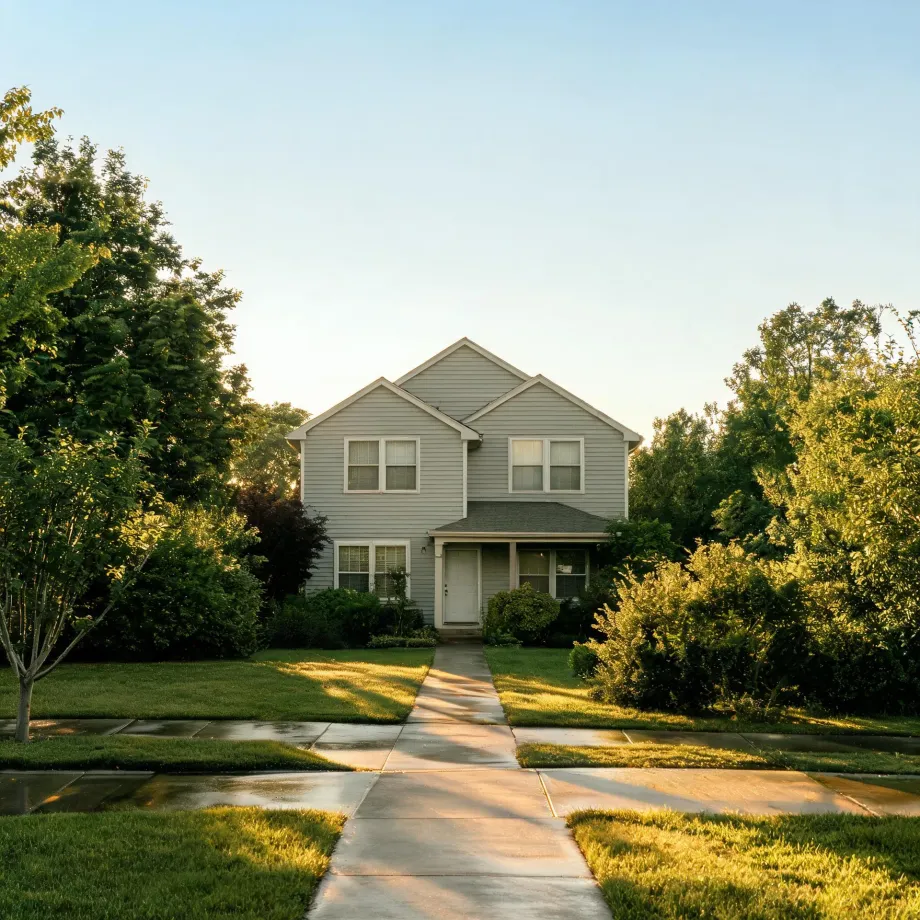
A mini-split runs two separate refrigerant circuits in one unit, and in Lewis County only one of them has ever done hard work. Homes in Lewis County, NY have essentially no cooling season — no month of the year is warm enough to call for it. The compressor, reversing valve, and indoor coil that handle heating have been cycling through cold months while the cooling circuit sits largely idle. When a contractor opens a unit for repair here, the wear pattern reflects that split load: heating-side components show the age, and the cooling side of a repair quote is often shorter than a homeowner expects.
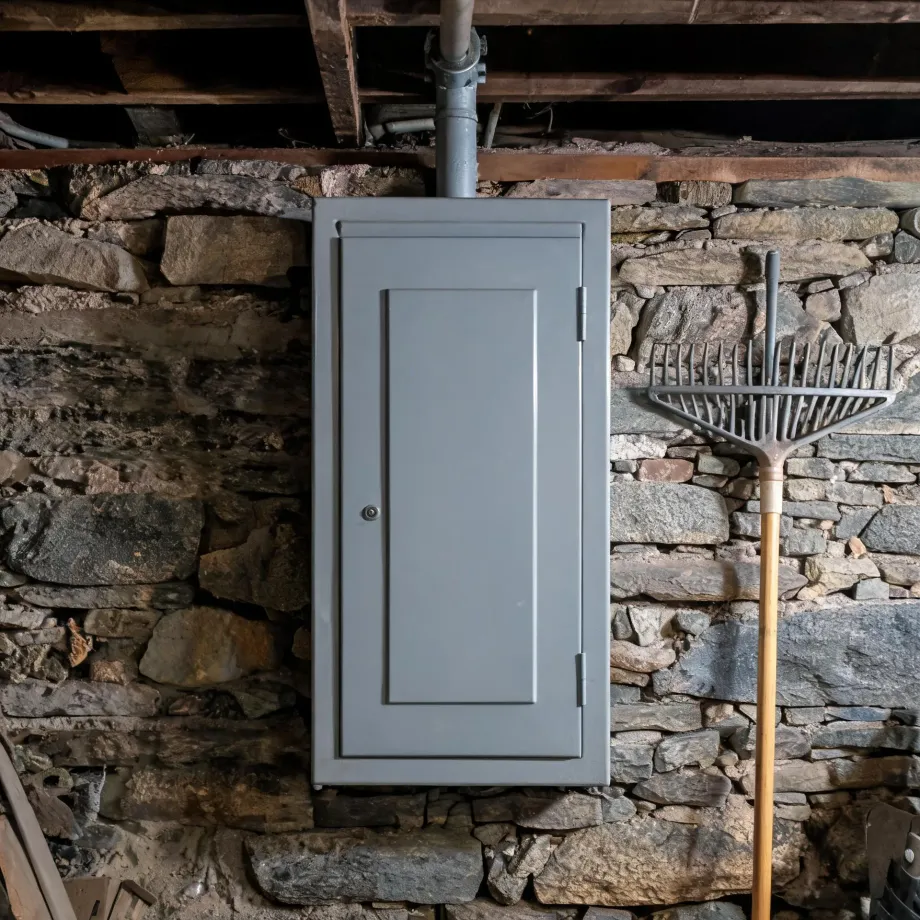
Half the homes in Lewis County, New York were built in 1972 or earlier (2020-2024 ACS 5-year). A contractor opening a mini-split in a house from that era is often working around electrical service that was never planned for the draw a modern inverter unit puts on it. The refrigerant line sets and the branch circuits in these houses were put in for something specific, and what they can carry shapes the repair scope before the failed component does. A part swap that looks straightforward on a newer install can stall here while the contractor works out what the existing wiring will actually support.
The Parts of a Mini-split a Contractor Checks First
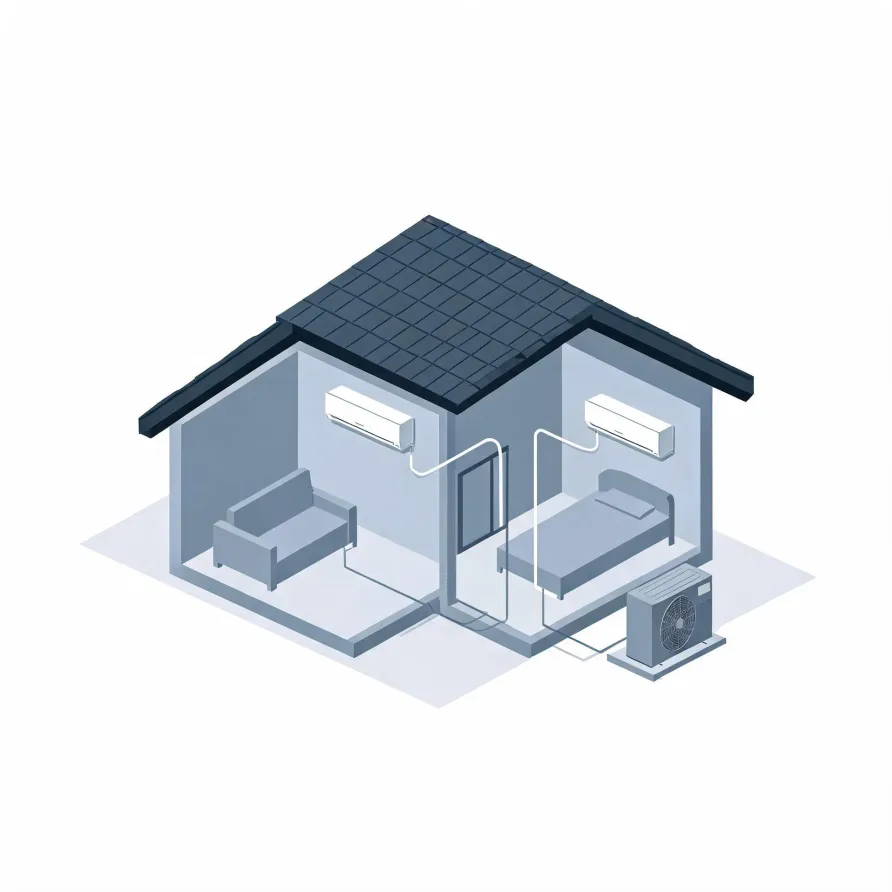
The indoor air handler mounts high on a wall inside the room and is the piece a homeowner notices most. It pulls room air across its coil and pushes conditioned air back out. When this unit is the problem, symptoms show up as weak airflow, frost on the coil, or air that stays warm when it should not.
The outdoor condenser sits outside the house and holds the compressor and the fan that reject heat to the air. The refrigerant line set and the condensate drain run between the two units through a small opening in the wall. A contractor reads both units together, because a fault in one shows up as a symptom in the other.
The drawing shows a typical layout, and a licensed contractor determines what applies to your specific system and home.
Get matched in Lewis CountyLewis County, by the numbers
192 severe weather events were recorded in Lewis County, New York between 2015 and 2024.
NOAA National Centers for Environmental Information, Storm Events Database, bulk CSV export, events 2015-01-01 through 2024-12-31.Half the homes in Lewis County, New York were built in 1972 or earlier (2020-2024 ACS 5-year).
U.S. Census Bureau, 2020-2024 American Community Survey 5-Year EstimatesLewis County, New York holds 15,637 housing units (2020-2024 ACS 5-year).
U.S. Census Bureau, 2020-2024 American Community Survey 5-Year EstimatesOwners occupy 80.2% of the occupied homes in Lewis County, New York (2020-2024 ACS 5-year).
U.S. Census Bureau, 2020-2024 American Community Survey 5-Year EstimatesSevere Weather Events in Lewis County
Lewis County weather puts real stress on heating and cooling equipment, and that stress shows up as repair calls. A mini-split running hard against whatever this county throws at it wears differently than one in a mild climate, which makes local service history worth understanding.
192 severe weather events, 2015–2024. Source: NOAA National Centers for Environmental Information, Storm Events Database.