Tell us about the job
Takes about a minute. No obligation.
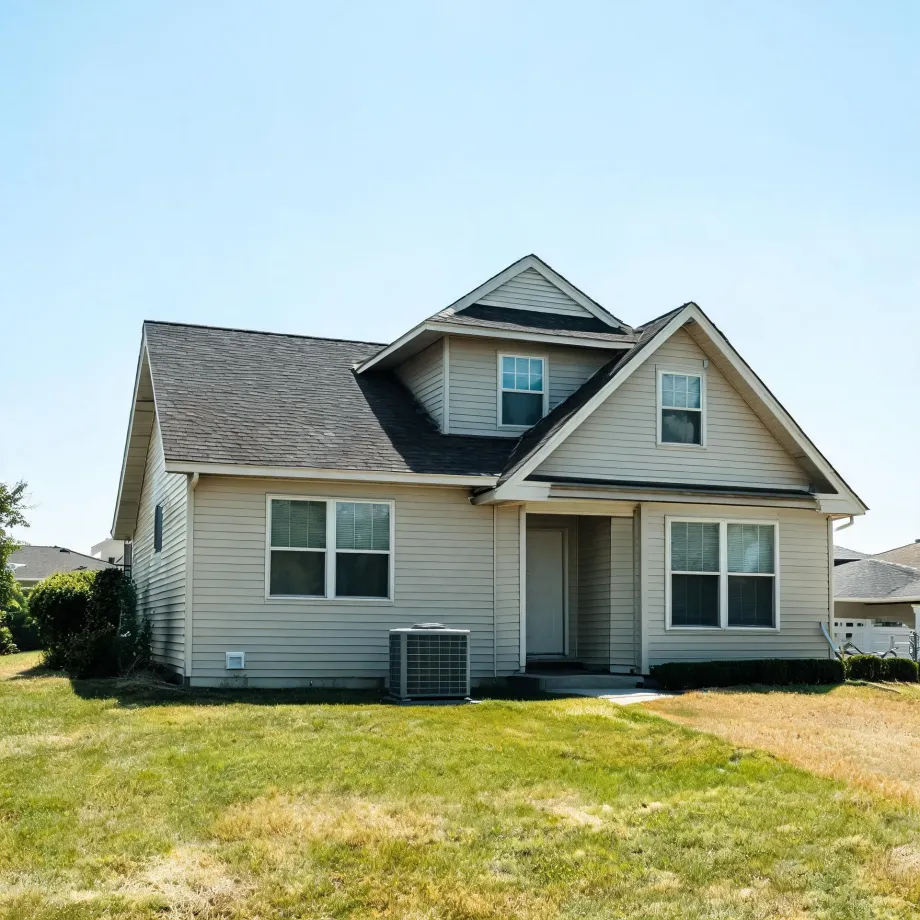
A mini-split runs two distinct sides, and which one wears out first here depends almost entirely on which one actually runs. Homes in St. Lawrence County, NY have essentially no cooling season — no month of the year is warm enough to call for it. The compressor, the refrigerant lines, and the reversing valve spend their working hours in heating mode; the cooling-side contactor and condenser fan cycle rarely, if at all. When a contractor pulls a unit for repair, worn heating-circuit components are the expected finding. A cooling-side fault is more likely a defect that sat quiet through every warm stretch and only surfaced when the homeowner tried the mode for the first time.
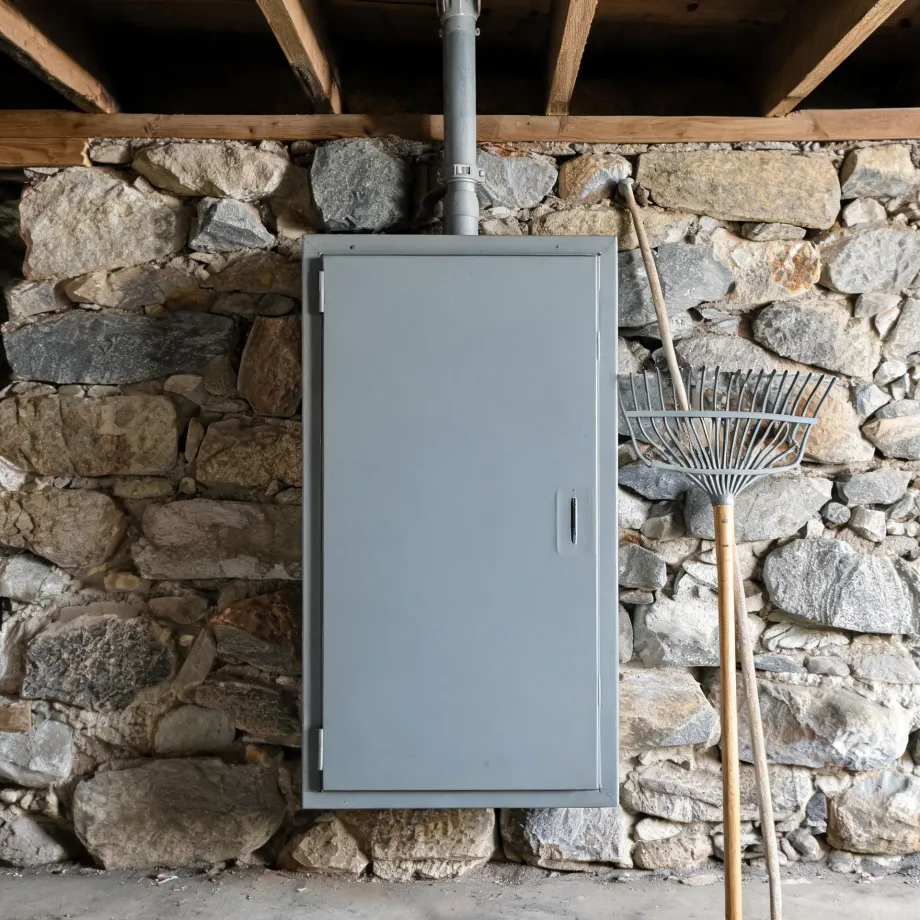
A mini-split mounted in a house this old carries its own history, separate from the building's. Half the homes in St. Lawrence County, New York were built in 1964 or earlier (2020-2024 ACS 5-year). A unit installed well after the house was built has been through its own cycles of refrigerant pressure, coil wear, and board fatigue, none of which the walls around it explain. When a contractor opens the system, what drives the repair scope is what the internals actually show: whether the refrigerant circuit holds charge, whether the drain and coil have fouled, and whether the control board has failed in a way that parts still cover.
The Parts of a Mini-split a Contractor Checks First
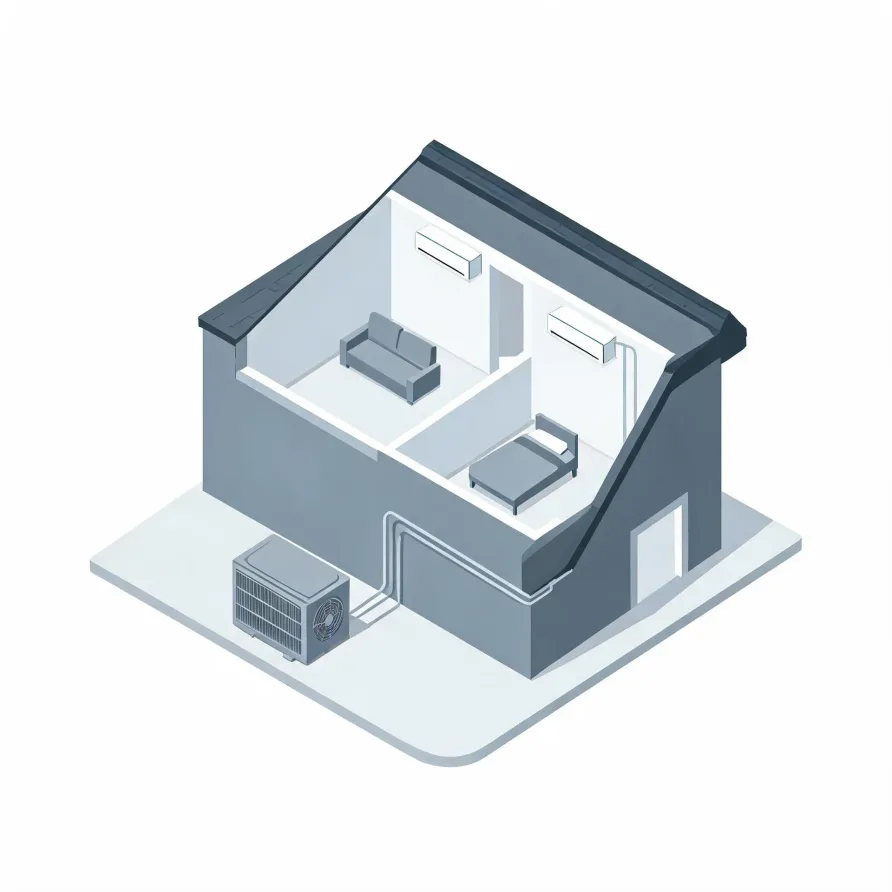
The indoor air handler mounts high on a wall inside the room and is where most problems show up first: a frozen coil, a blocked drain line, a fan that has stopped moving air. The outdoor condenser unit sits outside the house and holds the compressor, which is the component contractors go to when the system runs but fails to condition the air.
A refrigerant line set runs between the two units through a small opening in the wall, and a condensate drain line carries moisture away from the indoor unit. The line set and the drain are both common sources of faults, and a contractor checks both when diagnosing a system that is leaking, icing over, or shutting itself down.
The drawing shows a typical layout, and a licensed contractor determines what applies to your specific installation.
Get matched in St. Lawrence CountySt. Lawrence County, by the numbers
222 severe weather events were recorded in St. Lawrence County, New York between 2015 and 2024.
NOAA National Centers for Environmental Information, Storm Events Database, bulk CSV export, events 2015-01-01 through 2024-12-31.Half the homes in St. Lawrence County, New York were built in 1964 or earlier (2020-2024 ACS 5-year).
U.S. Census Bureau, 2020-2024 American Community Survey 5-Year EstimatesSt. Lawrence County, New York holds 51,970 housing units (2020-2024 ACS 5-year).
U.S. Census Bureau, 2020-2024 American Community Survey 5-Year EstimatesOwners occupy 71.9% of the occupied homes in St. Lawrence County, New York (2020-2024 ACS 5-year).
U.S. Census Bureau, 2020-2024 American Community Survey 5-Year EstimatesSevere Weather Events in St. Lawrence County
St. Lawrence County weather puts real strain on heating and cooling equipment over time. How hard a mini-split has worked, and what it has been pushed through, shapes what a repair technician will find.
222 severe weather events, 2015–2024. Source: NOAA National Centers for Environmental Information, Storm Events Database.